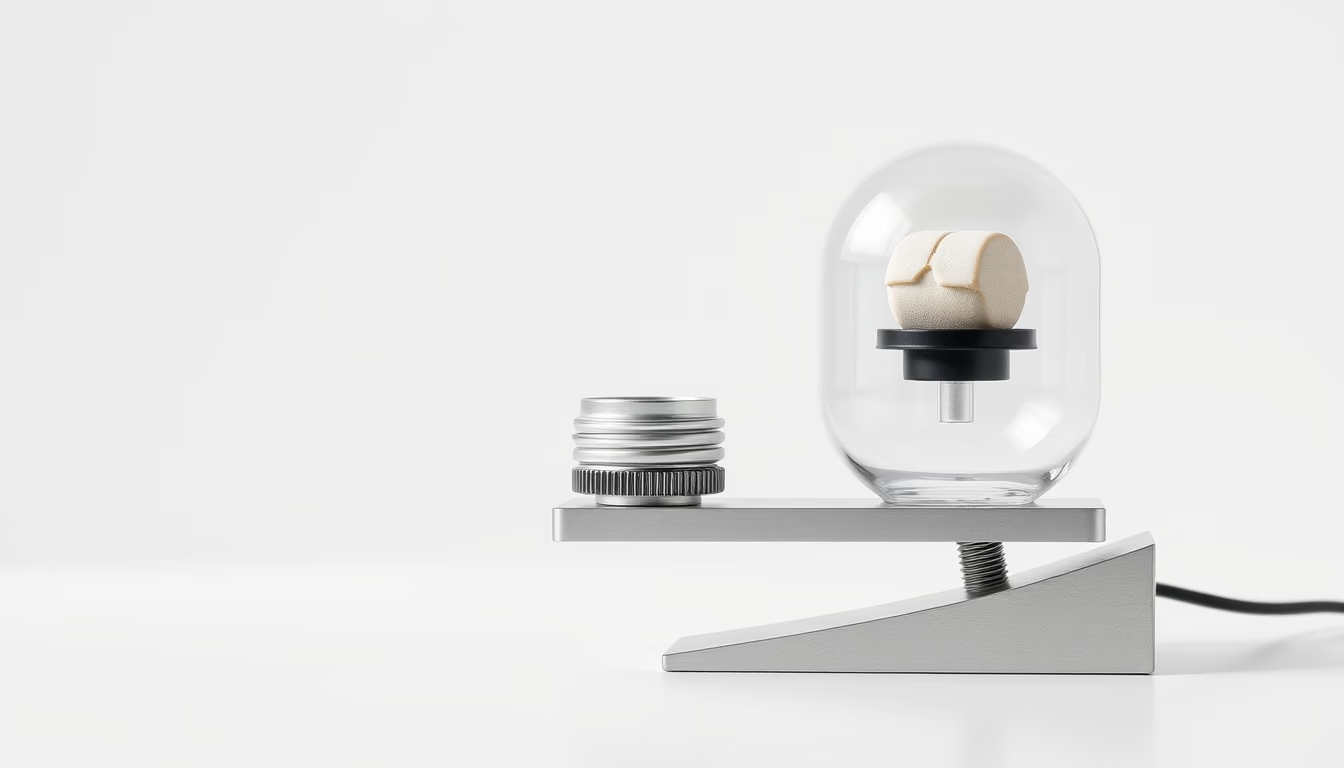
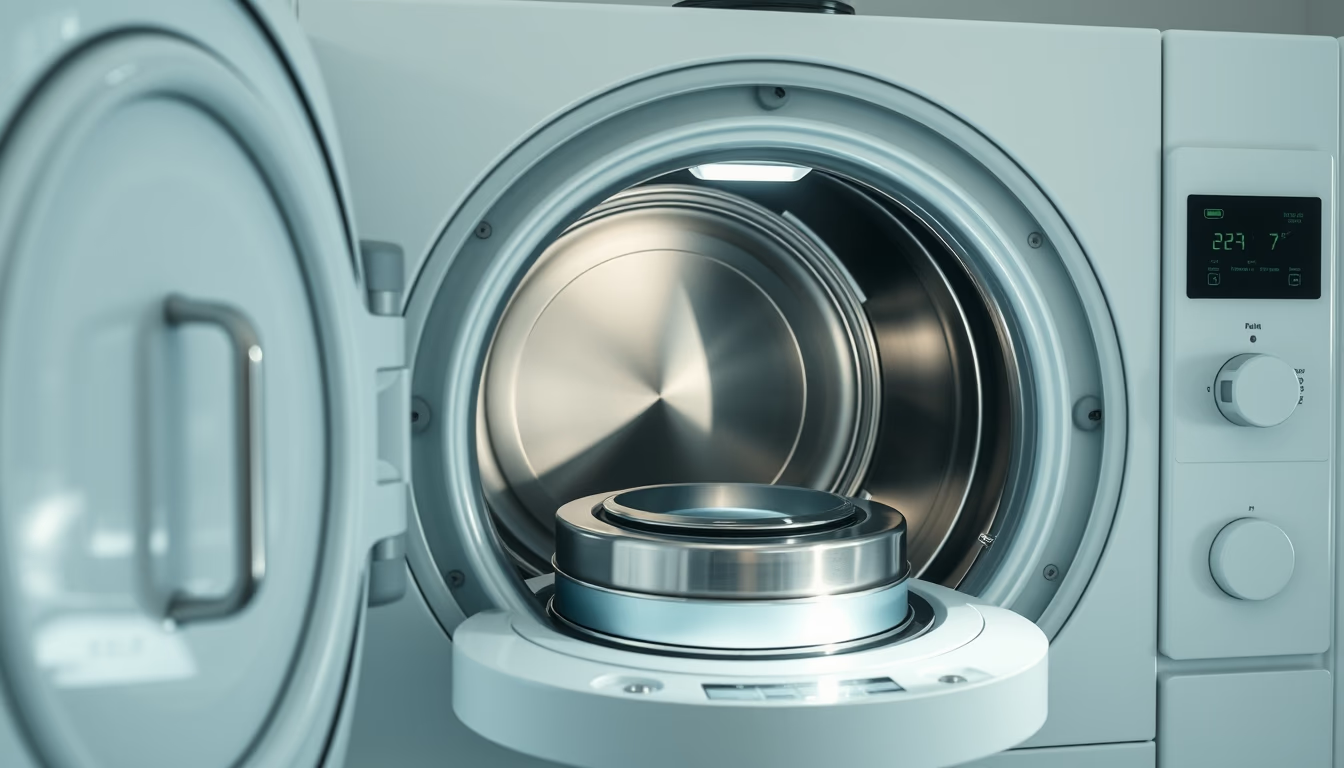
Rotovap evaporator
1344×768 · AVIF · CC BY 4.0
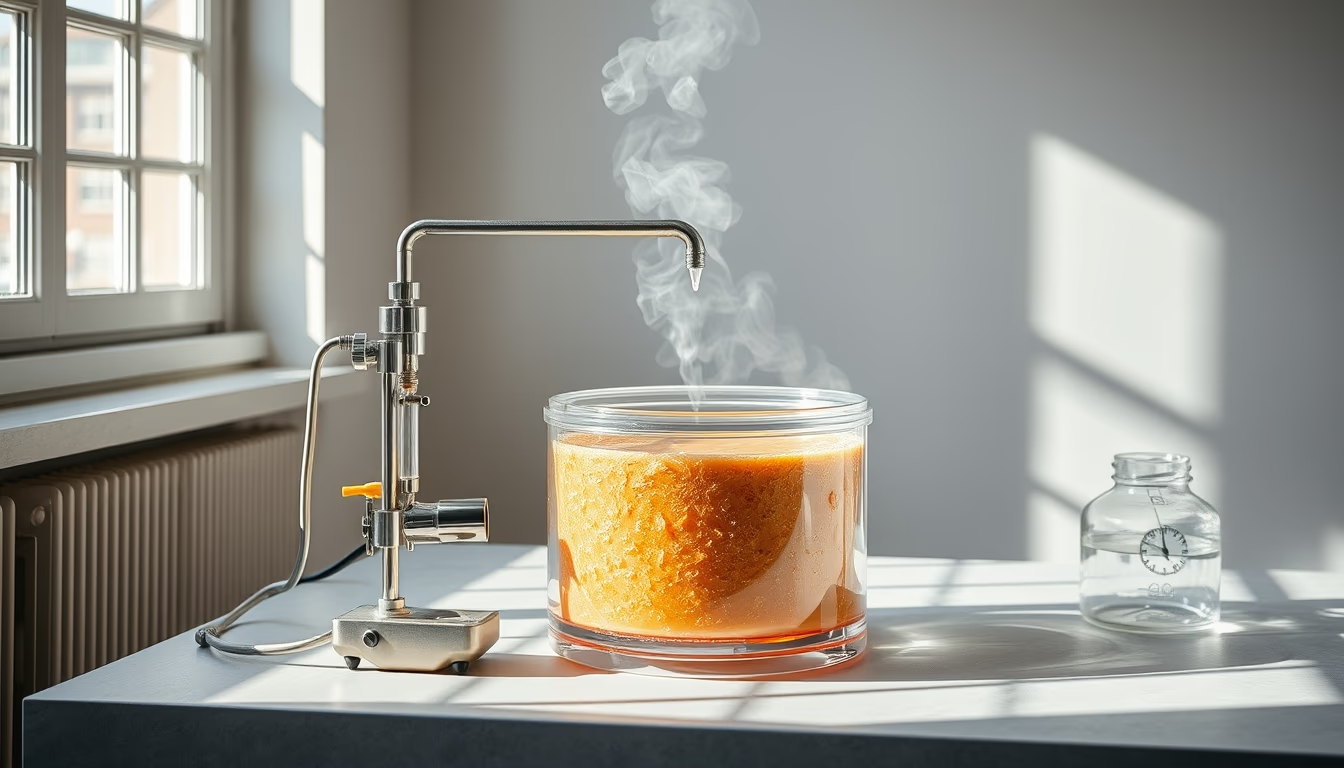
The rotary evaporator, commonly called rotovap, is a laboratory device used to remove solvents from samples under reduced pressure.
About this subject
The rotary evaporator, or rotovap, is a fundamental instrument in chemistry, biochemistry, and pharmaceutical laboratories. Its main purpose is the controlled evaporation of solvents, separating them from target compounds through a combination of rotation, mild heating, and reduced pressure. The device operates by placing a round-bottom flask containing the sample partially immersed in a heating bath. Rotation increases the liquid's surface area, speeding up evaporation. The solvent vapor is then condensed in a cooled condenser, typically using running water, and collected in a separate flask. This process is widely used for concentrating solutions, purifying substances, or recovering solvents. The rotovap was invented by Lyman C. Craig in the United States in the 1930s and later commercialized by the Swiss company Büchi, which remains a reference in the field. A key technical detail is that reduced pressure allows evaporation at lower temperatures, preventing thermal degradation of sensitive compounds such as proteins and thermolabile drugs. Modern rotovaps often include digital control of vacuum and temperature, ensuring reproducibility and safety. Beyond classic lab work, they are used in food technology, perfumery, and cannabis oil extraction for isolating volatile compounds.
Frequently Asked Questions
What is the difference between a rotary evaporator and a simple evaporator?
A rotary evaporator uses rotation to increase the liquid's surface area and vacuum to lower the boiling point, making evaporation faster and gentler. A simple evaporator relies solely on heating, without rotation or vacuum, and is less efficient and more harsh on sensitive compounds.
How can foaming be prevented during rotovap use?
To prevent foaming, gradually adjust rotation speed and bath temperature, use antifoaming agents, or start with a milder vacuum. Manually swirling the flask before starting can also help.
What solvents can be used in a rotovap?
Almost any volatile solvent can be used, provided it is compatible with the equipment's materials (glass, PTFE, rubber). Common solvents include ethanol, methanol, acetone, dichloromethane, and hexane. Aqueous solvents can also be removed but require extra care due to high surface tension and latent heat.
Direct URL
https://pub-c7d6a6ea828543ac903a74a341ccb2e1.r2.dev/imagens/rotovap-evaporator-minimalist-composition-fresh14.avifHow to credit
Include a visible link back to UtilizAí. Copy one of the snippets below:
<a href="https://xn--utiliza-eza.com/en/midia/imagens/rotovap-evaporator-minimalist-composition-fresh14">Rotovap evaporator</a> by <a href="https://xn--utiliza-eza.com">UtilizAí</a>, licensed under <a href="https://creativecommons.org/licenses/by/4.0/">CC BY 4.0</a>.
[Rotovap evaporator](https://xn--utiliza-eza.com/en/midia/imagens/rotovap-evaporator-minimalist-composition-fresh14) by [UtilizAí](https://xn--utiliza-eza.com), CC BY 4.0
License: CC-BY-4.0