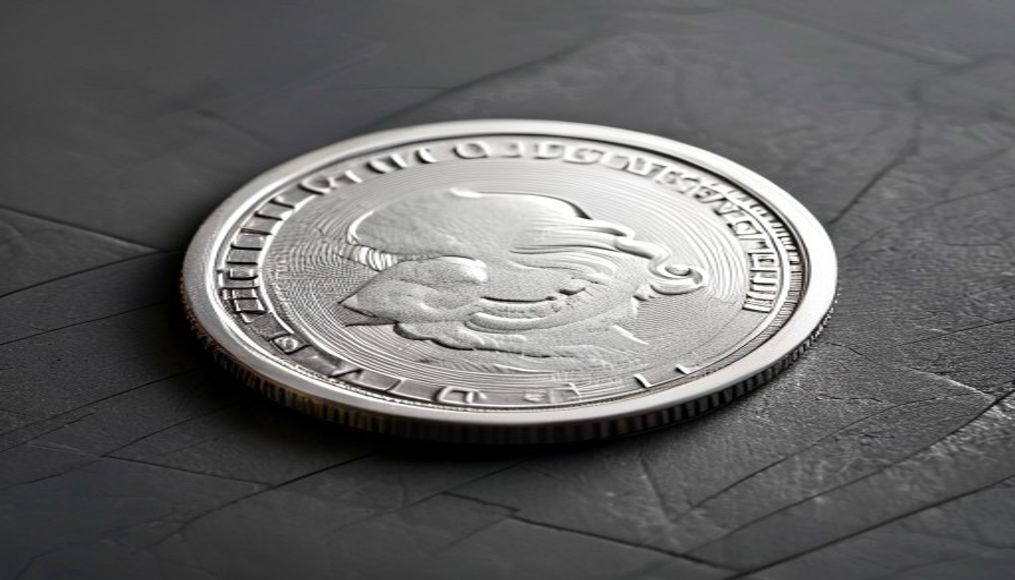
Medieval coin tarnished
1344×768 · AVIF · CC BY 4.0
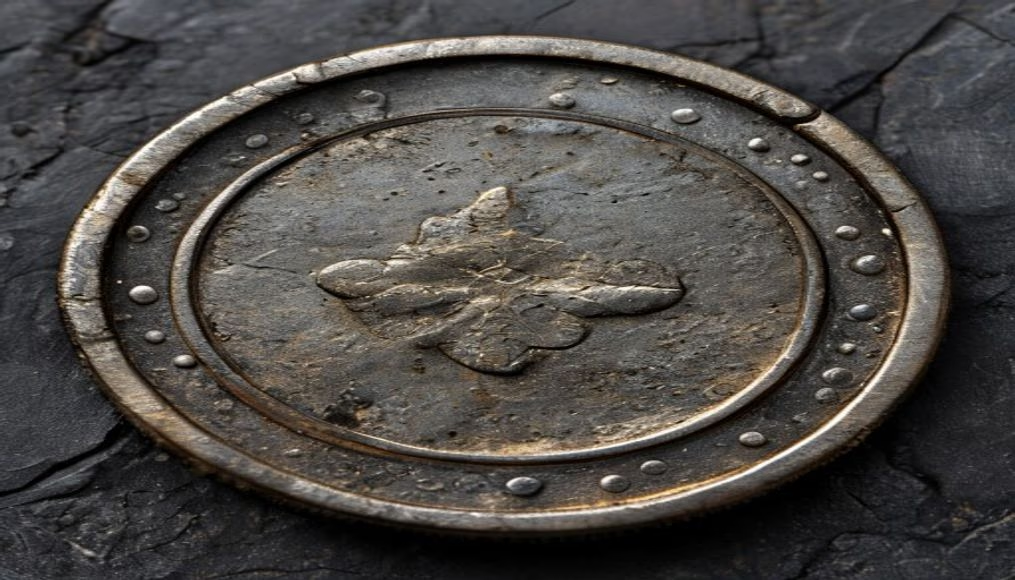
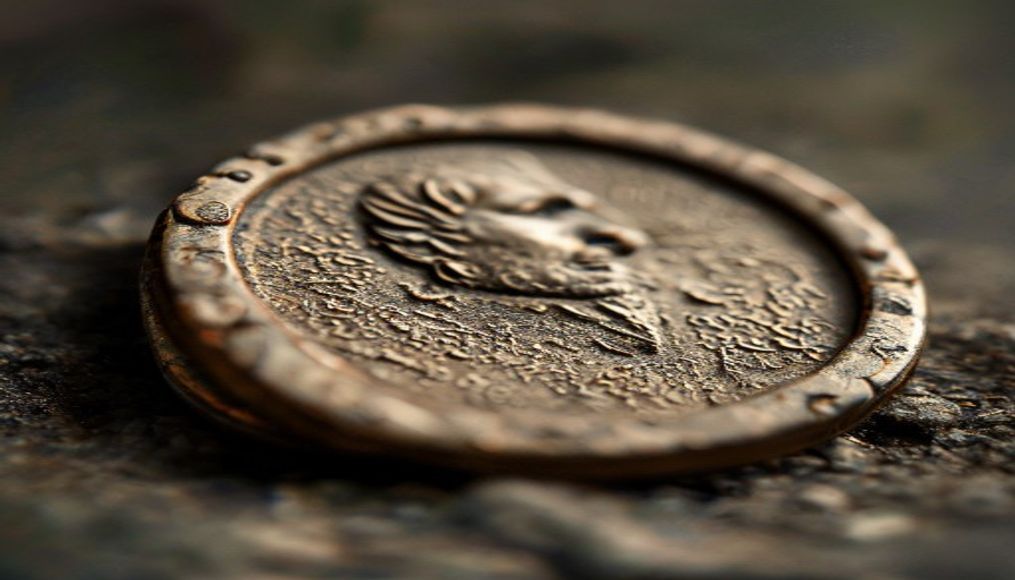
A naturally tarnished medieval coin, its dark patina revealing centuries of history.
About this subject
Medieval coins were typically struck in metals such as silver, copper, or billion (a silver-copper alloy). Over centuries, exposure to air and moisture causes a dark patina to form, especially on copper specimens, which develop oxides and sulfides. This oxidation process is not merely aesthetic: it protects the underlying metal from further corrosion and is valued by collectors as a sign of authenticity and age.
Coin production in the Middle Ages was decentralized, with hundreds of mints operating across kingdoms, duchies, and city-states. Each ruler issued coins bearing their coat of arms or portrait, making them primary sources for studying medieval heraldry and iconography. Well-preserved coins are rare, but tarnished specimens are common finds from metal detecting in Europe.
The numismatic value of a tarnished medieval coin depends on its condition, rarity, and demand. A uniform, dark patina can increase its value, while irregular oxidation or structural damage reduces it. Many examples are recovered from agricultural soil, where soil acidity accelerates darkening. Some coins, such as silver denarii from the Holy Roman Empire, display bluish or greenish tones due to copper content in the alloy.
Interestingly, oxidation can also reveal hidden details: on heavily worn coins, the patina may outline letters and figures that have vanished from the surface. Collectors use gentle chemical cleaning to enhance these reliefs, but complete removal of the patina is discouraged because it destroys historical evidence and reduces market value.
Frequently Asked Questions
How can I identify an authentic medieval coin even with tarnish?
Look for mint marks, letters, coats of arms, or figures, even if worn. The patina should be natural and adherent. Consult numismatic catalogs or an expert to compare with known coin images.
Is it safe to clean a tarnished medieval coin?
Home cleaning with abrasive products or strong acids can damage the coin and remove valuable patina. Only professional cleaning with gentle methods, such as soaking in distilled water and brushing with soft bristles, is recommended.
What is the average value of a tarnished medieval coin at auction?
It varies widely: common copper coins can be worth $1 to $10, while rare silver specimens in good condition can fetch thousands of dollars. A dark patina does not reduce value if it is uniform and historical.
Direct URL
https://pub-c7d6a6ea828543ac903a74a341ccb2e1.r2.dev/imagens/medieval-coin-tarnished-isometric-flat-lay-p2.avifHow to credit
Include a visible link back to UtilizAí. Copy one of the snippets below:
<a href="https://xn--utiliza-eza.com/en/midia/imagens/medieval-coin-tarnished-isometric-flat-lay-p2">Medieval coin tarnished</a> by <a href="https://xn--utiliza-eza.com">UtilizAí</a>, licensed under <a href="https://creativecommons.org/licenses/by/4.0/">CC BY 4.0</a>.
[Medieval coin tarnished](https://xn--utiliza-eza.com/en/midia/imagens/medieval-coin-tarnished-isometric-flat-lay-p2) by [UtilizAí](https://xn--utiliza-eza.com), CC BY 4.0
License: CC-BY-4.0