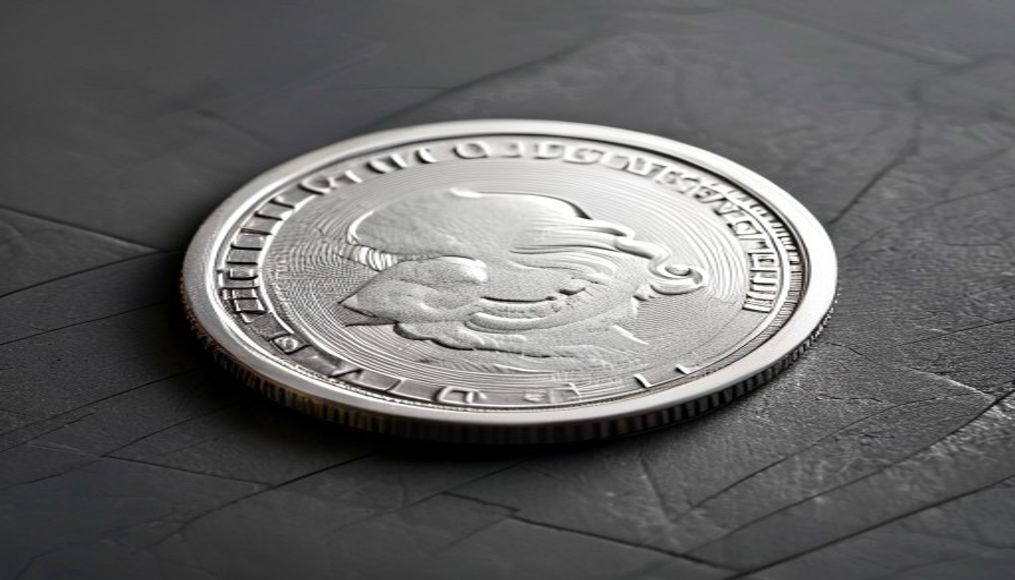
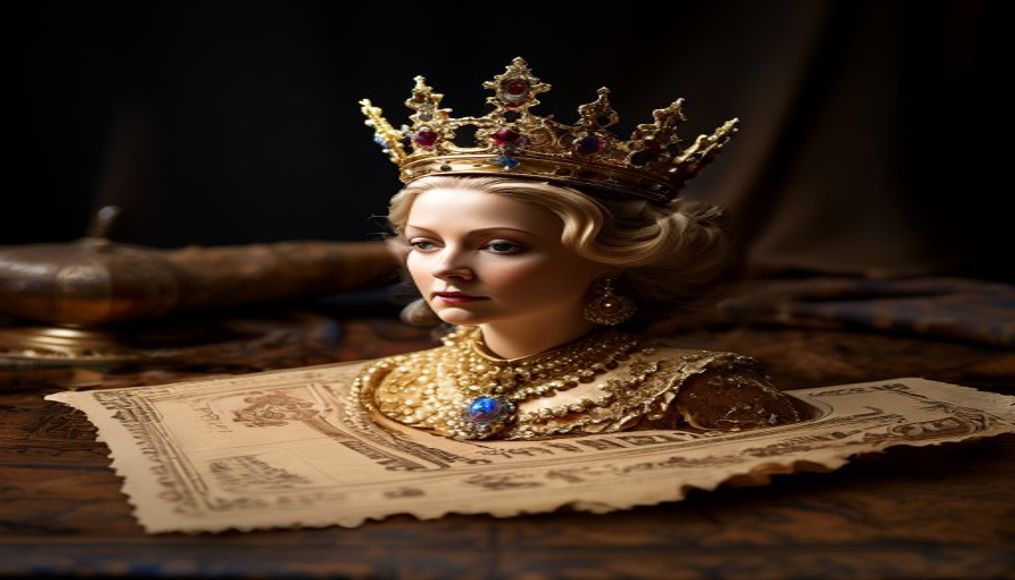
Medieval coin tarnished
1344×768 · AVIF · CC BY 4.0
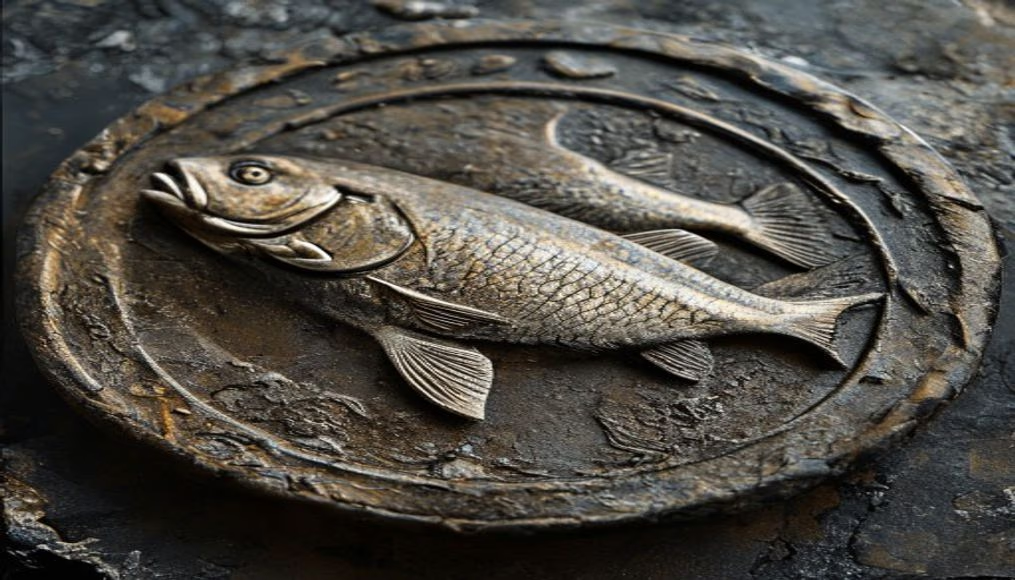
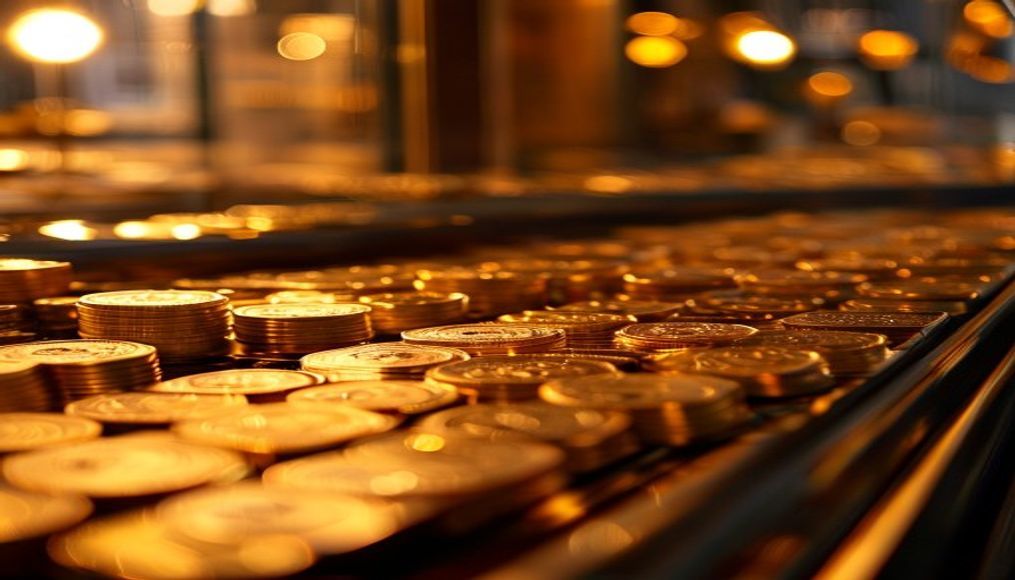
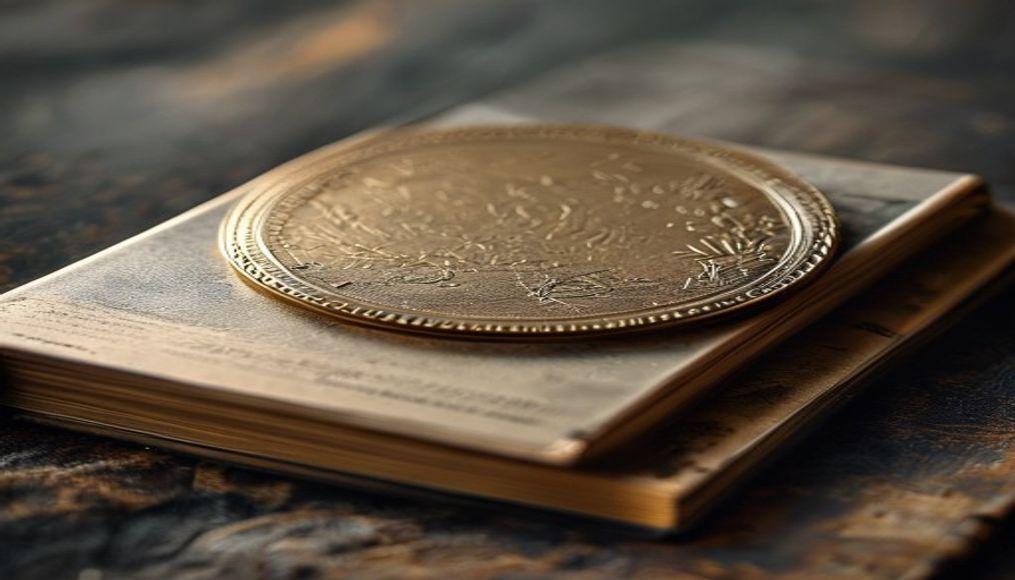
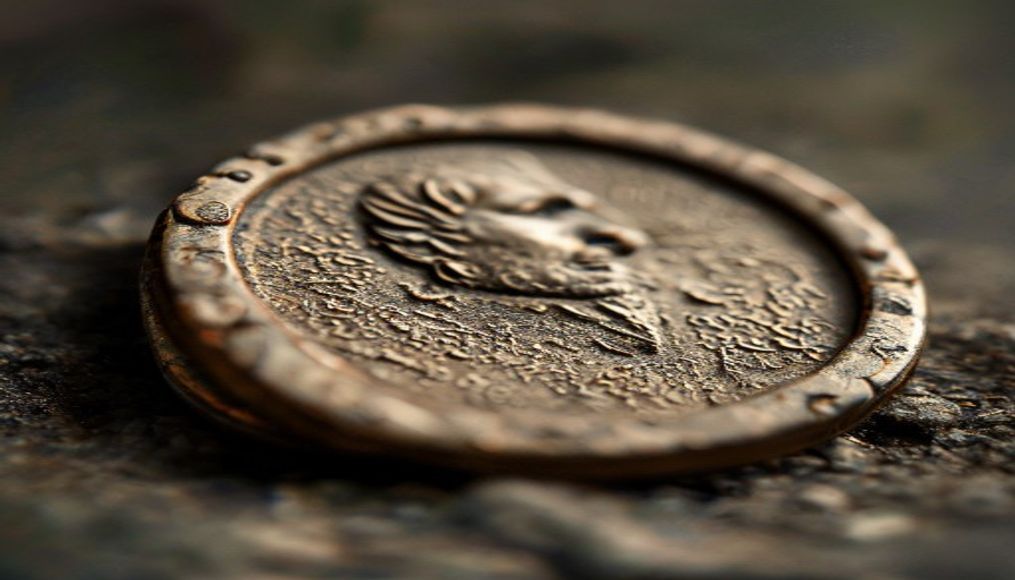
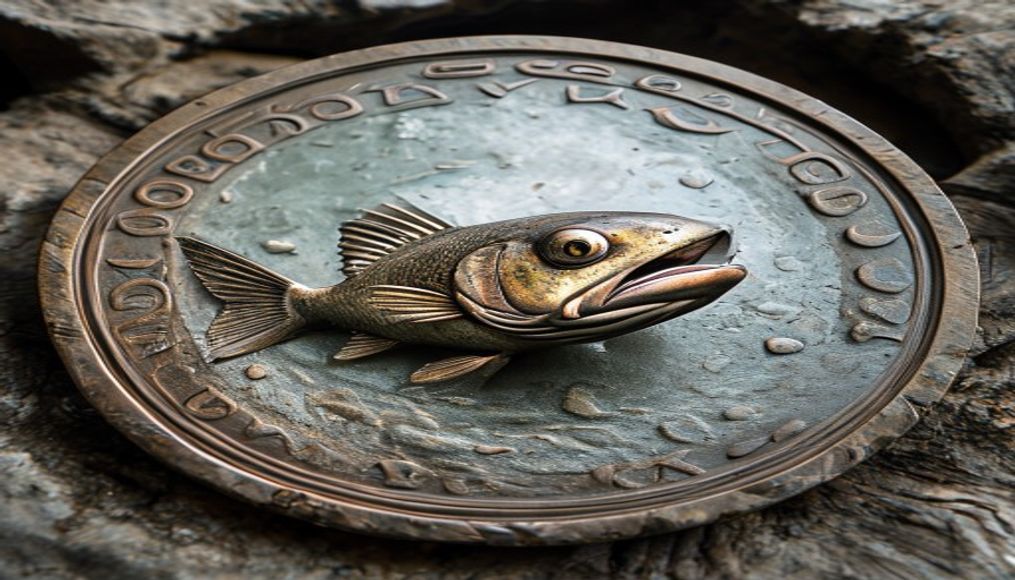
A tarnished medieval coin showing oxidation and wear reveals centuries of European numismatic history.
About this subject
Medieval coins were typically struck in silver or billion, a silver-copper alloy that darkens over time as copper oxidizes. The medieval period, roughly 5th to 15th centuries, saw countless kingdoms, duchies, and city-states issuing their own currencies: Carolingian deniers, Italian grossi, English pennies. The wear and tarnish seen on many surviving examples result from centuries of circulation, burial in acidic soils, or prolonged exposure to sulfur-laden air.
Tarnish does not necessarily reduce a coin's historical or numismatic value. A uniform, ancient patina is often prized by collectors as proof of age and authenticity. Tarnished medieval coins frequently appear in metal-detector finds across European farmlands, particularly in England, France, and Germany. Proper conservation calls for gentle cleaning with inert oils or microcrystalline wax, avoiding abrasives that can destroy surface details.
Studying these coins offers insights into trade routes, local economies, metallurgy, and even political propaganda. The fish-eye lens distortion in the image exaggerates the coin's surface, highlighting worn legends and motifs such as crosses, castles, or heraldic symbols. To the numismatist, every scratch and stain tells a story of the hands that held it, the purses that carried it, and the hoards that hid it for centuries.
Frequently Asked Questions
Why do medieval coins darken over time?
Darkening is mainly caused by oxidation of copper in the silver alloy (billon) or by reactions with sulfur compounds in air or soil. The resulting patina can be stable and even desirable for collectors.
How should a tarnished medieval coin be preserved without damage?
Avoid cleaning with chemicals or abrasives. Use mineral oil or microcrystalline wax to stabilize the tarnish. For high-value pieces, consult a professional conservator.
Does a heavily tarnished medieval coin retain value?
Yes, as long as the tarnish hasn't destroyed key design details. Many coins with dark patina are authentic and sought after by collectors, potentially worth as much as cleaned examples, depending on rarity.
Direct URL
https://pub-c7d6a6ea828543ac903a74a341ccb2e1.r2.dev/imagens/medieval-coin-tarnished-fish-eye-wide-angle-p3.avifHow to credit
Include a visible link back to UtilizAí. Copy one of the snippets below:
<a href="https://xn--utiliza-eza.com/en/midia/imagens/medieval-coin-tarnished-fish-eye-wide-angle-p3">Medieval coin tarnished</a> by <a href="https://xn--utiliza-eza.com">UtilizAí</a>, licensed under <a href="https://creativecommons.org/licenses/by/4.0/">CC BY 4.0</a>.
[Medieval coin tarnished](https://xn--utiliza-eza.com/en/midia/imagens/medieval-coin-tarnished-fish-eye-wide-angle-p3) by [UtilizAí](https://xn--utiliza-eza.com), CC BY 4.0
License: CC-BY-4.0