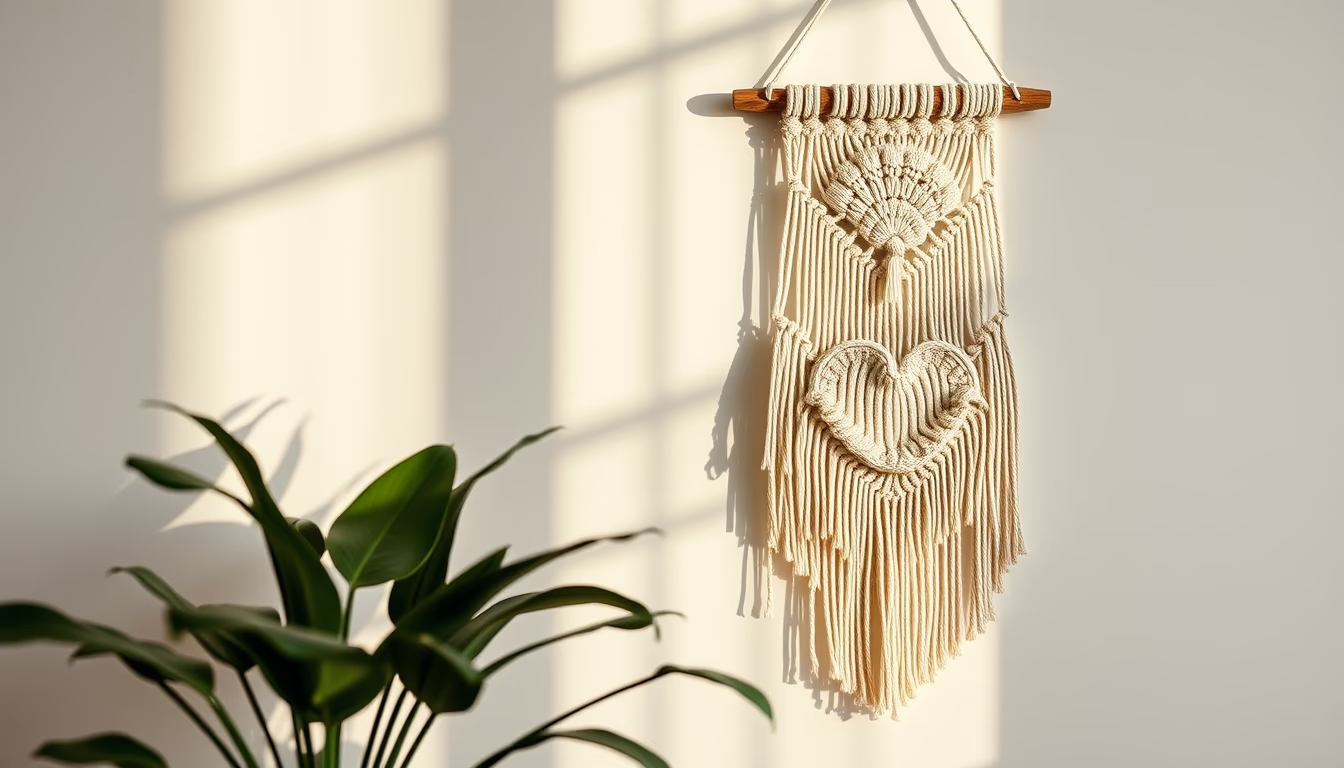
Macrame wall hanging
1344×768 · AVIF · CC BY 4.0
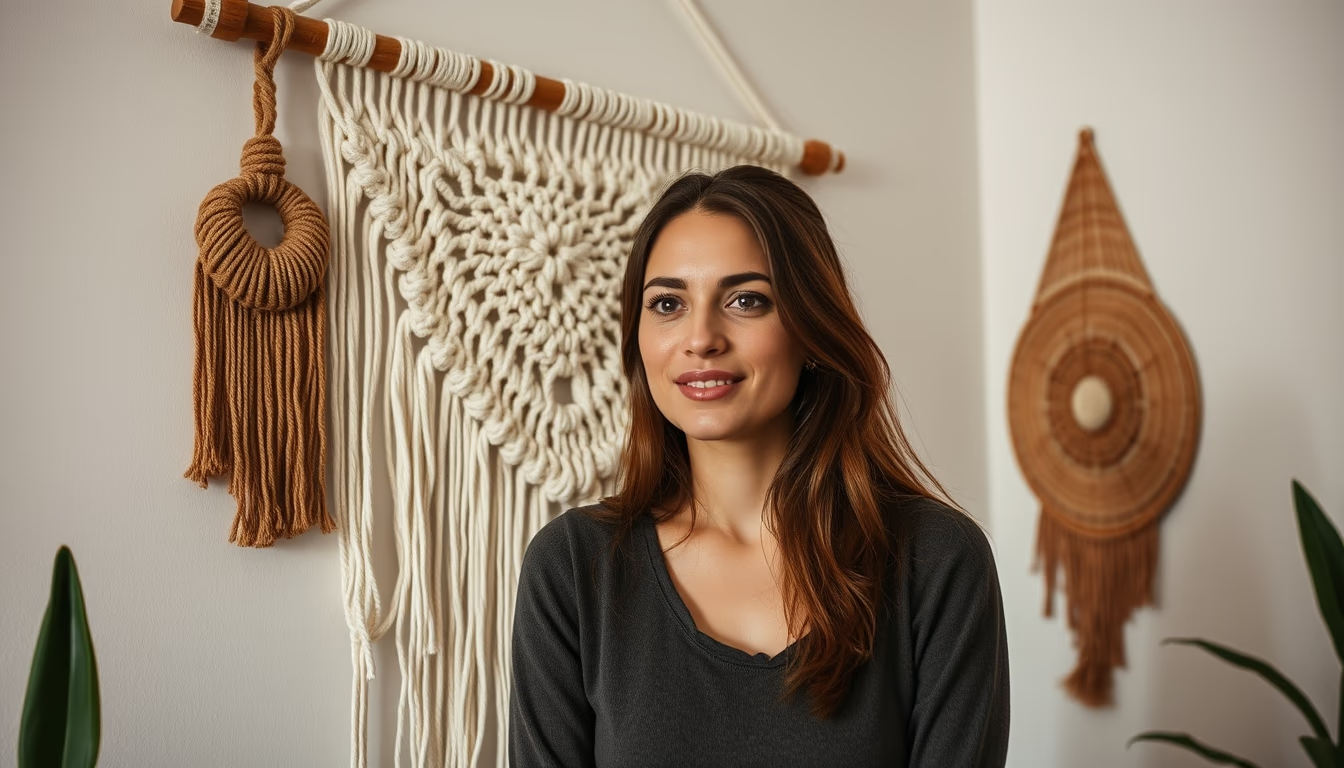
Macrame is an ancient textile technique using knots to create decorative and functional pieces like wall hangings, popular in the 1970s and revived in recent years.
About this subject
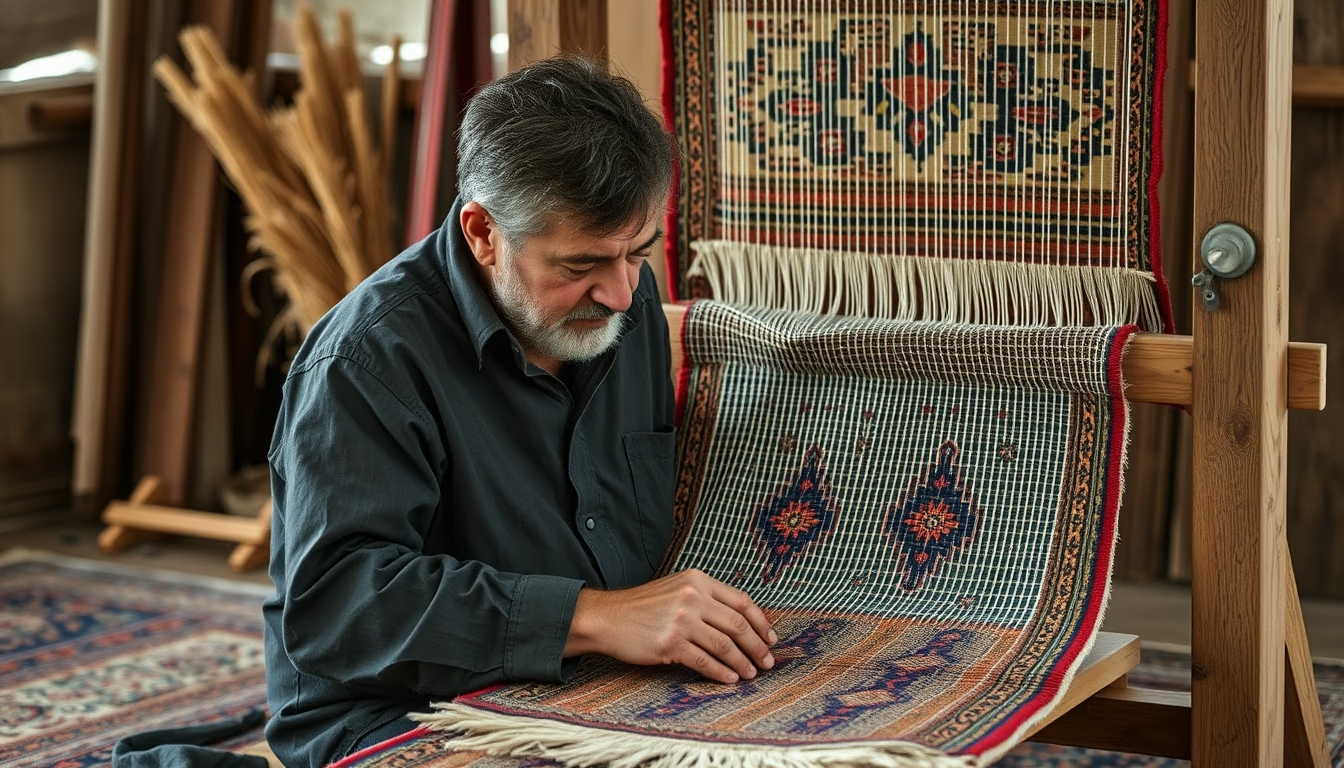
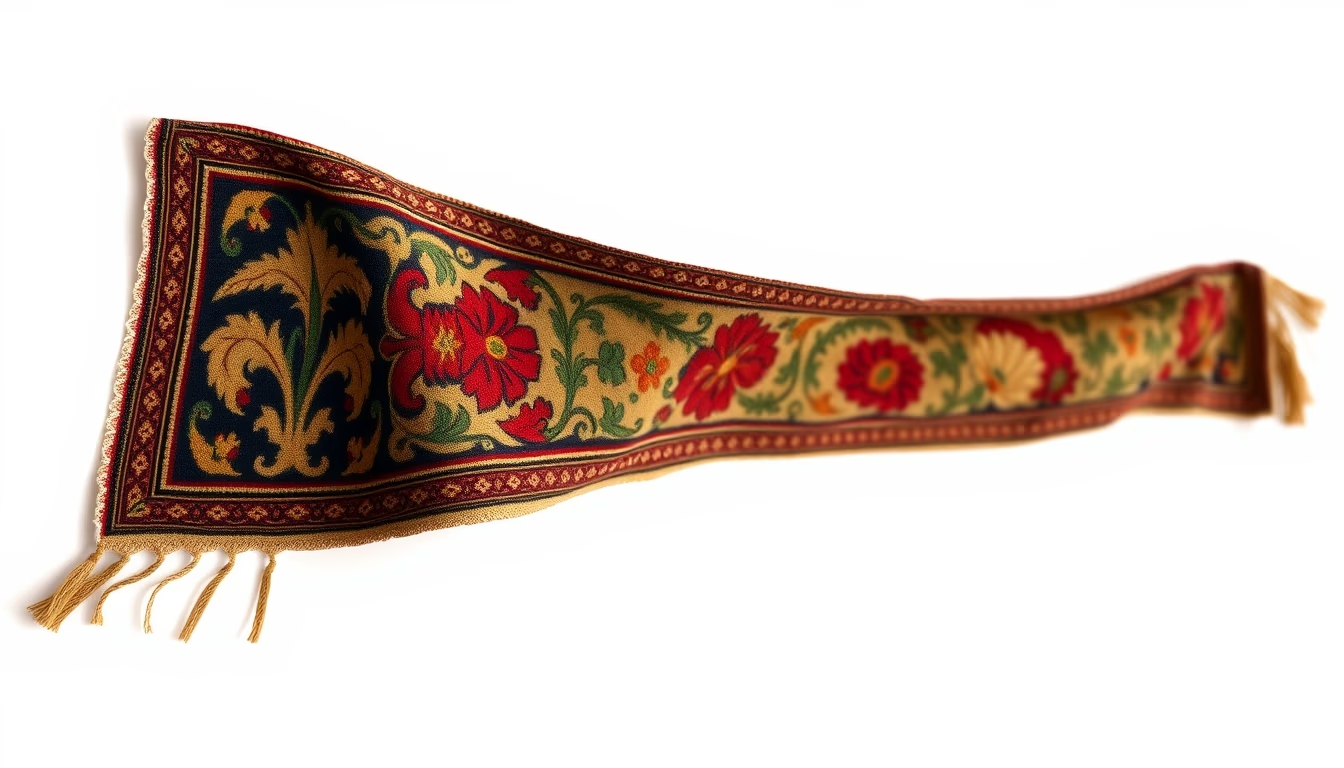
Macrame is a manual weaving technique based solely on knots, without using needles, looms, or machines. Its origins date back to the 13th century, with records in Arab and Chinese cultures, and it gained prominence in Europe during the Renaissance. The term comes from the Arabic "migramah", meaning "decorative fringe". In the 1970s, macrame became popular globally, embodying the hippie and boho aesthetic, with pieces like curtains, bags, and especially wall hangings.
The technique employs various knots, such as the square knot, lark's head, and double half hitch, which combine to create geometric patterns, fringes, and textures. Common materials include cotton cord, jute, and sisal, but silk, wool, or synthetic threads can also be used. Macrame offers great versatility, from small accessories to large art installations.
Culturally, macrame is tied to the handmade and craft movement. In the 2010s, it saw a global revival driven by interest in sustainable decor and DIY. Contemporary artists now explore macrame in textile sculptures, blending tradition with modernity.
Fun fact: Macrame also had practical use on ships, where sailors made items like hammocks and decorative ropes during long voyages. In Brazil, artisan communities in the Northeast preserve the tradition, incorporating Indigenous and African influences in their patterns.
Frequently Asked Questions
What is the origin of macrame?
Macrame originated in the 13th century, with records in Arab and Chinese cultures. The word comes from the Arabic 'migramah', meaning decorative fringe. The technique spread across Europe during the Renaissance and was carried by sailors to other continents.
What are the main types of knots used in macrame?
The most common knots are the square knot, the half hitch, and the lark's head. Combining these knots allows for creating geometric patterns, fringes, and diverse textures.
How did macrame become a trend in decor again?
Since the 2010s, macrame has resurged with the slow living movement and appreciation for handmade crafts. Social media, especially Pinterest and Instagram, popularized pieces like wall hangings, plant hangers, and curtains, associated with boho and sustainable styles.
Direct URL
https://pub-c7d6a6ea828543ac903a74a341ccb2e1.r2.dev/imagens/macrame-wall-hanging-documentary-photography-fresh11.avifHow to credit
Include a visible link back to UtilizAí. Copy one of the snippets below:
<a href="https://xn--utiliza-eza.com/en/midia/imagens/macrame-wall-hanging-documentary-photography-fresh11">Macrame wall hanging</a> by <a href="https://xn--utiliza-eza.com">UtilizAí</a>, licensed under <a href="https://creativecommons.org/licenses/by/4.0/">CC BY 4.0</a>.
[Macrame wall hanging](https://xn--utiliza-eza.com/en/midia/imagens/macrame-wall-hanging-documentary-photography-fresh11) by [UtilizAí](https://xn--utiliza-eza.com), CC BY 4.0
License: CC-BY-4.0