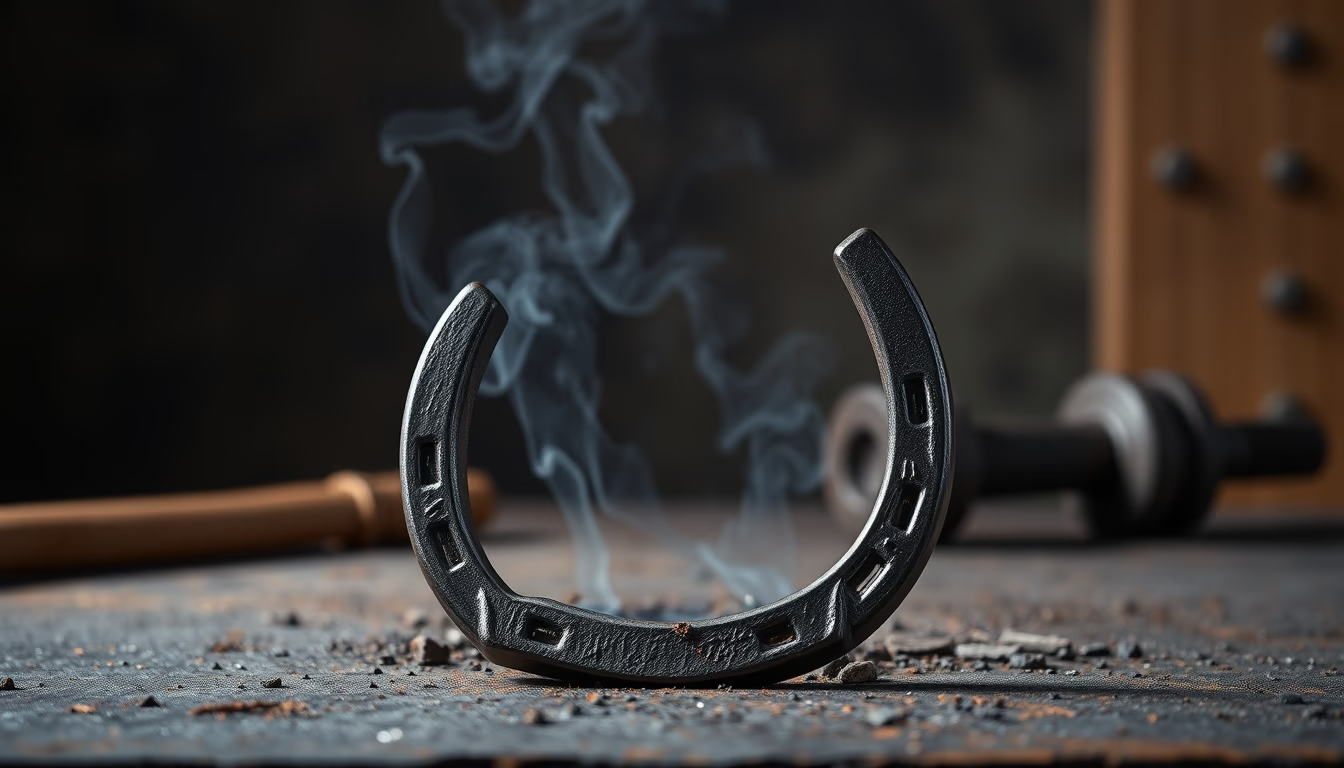
Horse bridle reins
1344×768 · AVIF · CC BY 4.0

Bridle reins are essential components of horseback riding, connecting the rider's hands to the horse's mouth for control and communication.
About this subject
Bridle reins, often simply called reins, are straps made of leather, nylon, or other materials that attach to the horse's bit. They allow the rider to transmit signals to the animal, such as direction, stopping, and slowing down. The history of reins dates back thousands of years, with evidence of their use in ancient civilizations like Greece and Rome. In modern riding, the choice of material and type of rein varies by discipline: leather reins are common in show jumping and dressage, while nylon or rope reins are popular in recreational riding and horse training.
The length and thickness of the reins also influence communication. Thinner reins offer subtler contact, while thicker ones provide greater security with strong animals. In Brazil, vaquejada and laço competitions use specific reins, often braided or with leather details, reflecting northeastern culture. Beyond practical function, reins have symbolic meaning: in classical riding, soft, steady contact signals harmony between horse and rider.
Interestingly, the word "bridle" comes from Old English "bridel," related to "bridle" meaning to restrain. Proper maintenance of reins is crucial for safety: leather must be cleaned and conditioned, while nylon reins should be checked for wear. In competitions, reins follow strict size and material regulations to ensure fairness. Designs may include stops or knots for grip, such as "Russian" or "English" reins.
Finally, it is important to note that bridle reins are not the only type; in halter reins or bosal reins, the principle is similar but the attachment differs. Regardless of style, the goal remains the same: to enable horse and rider to work in sync, safely and effectively.
Frequently Asked Questions
What is the difference between a bridle rein and a halter rein?
A bridle rein attaches to the metal bit in the horse's mouth, allowing direct control. A halter rein is attached to a halter (without a bit), used for leading or training young horses, with indirect action.
How to choose the ideal material for reins?
It depends on the discipline and preference. Leather offers durability and grip, common in classical sports. Nylon is strong and easy to clean, ideal for daily use. Rope is lightweight and cheap but may slip. For official events, check competition rules.
What is the standard length of bridle reins?
Typical length ranges from 4 to 5 feet (1.2 m to 1.5 m), but can be longer for large horses or shorter for ponies. Adjust according to the horse's neck width and rider's height to keep hands in proper position.
Direct URL
https://pub-c7d6a6ea828543ac903a74a341ccb2e1.r2.dev/imagens/horse-bridle-reins-architectural-photography-fresh16.avifHow to credit
Include a visible link back to UtilizAí. Copy one of the snippets below:
<a href="https://xn--utiliza-eza.com/en/midia/imagens/horse-bridle-reins-architectural-photography-fresh16">Horse bridle reins</a> by <a href="https://xn--utiliza-eza.com">UtilizAí</a>, licensed under <a href="https://creativecommons.org/licenses/by/4.0/">CC BY 4.0</a>.
[Horse bridle reins](https://xn--utiliza-eza.com/en/midia/imagens/horse-bridle-reins-architectural-photography-fresh16) by [UtilizAí](https://xn--utiliza-eza.com), CC BY 4.0
License: CC-BY-4.0