Crewel work wool
1344×768 · AVIF · CC BY 4.0
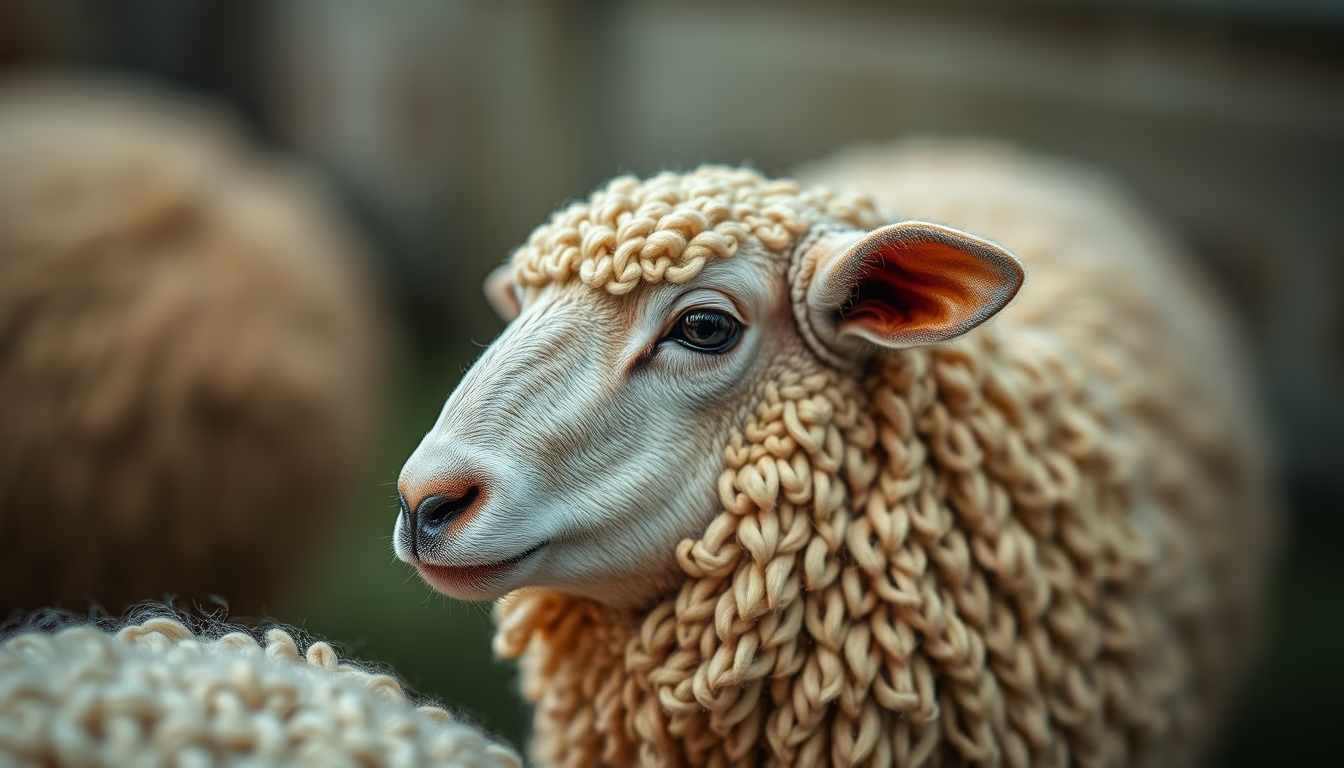
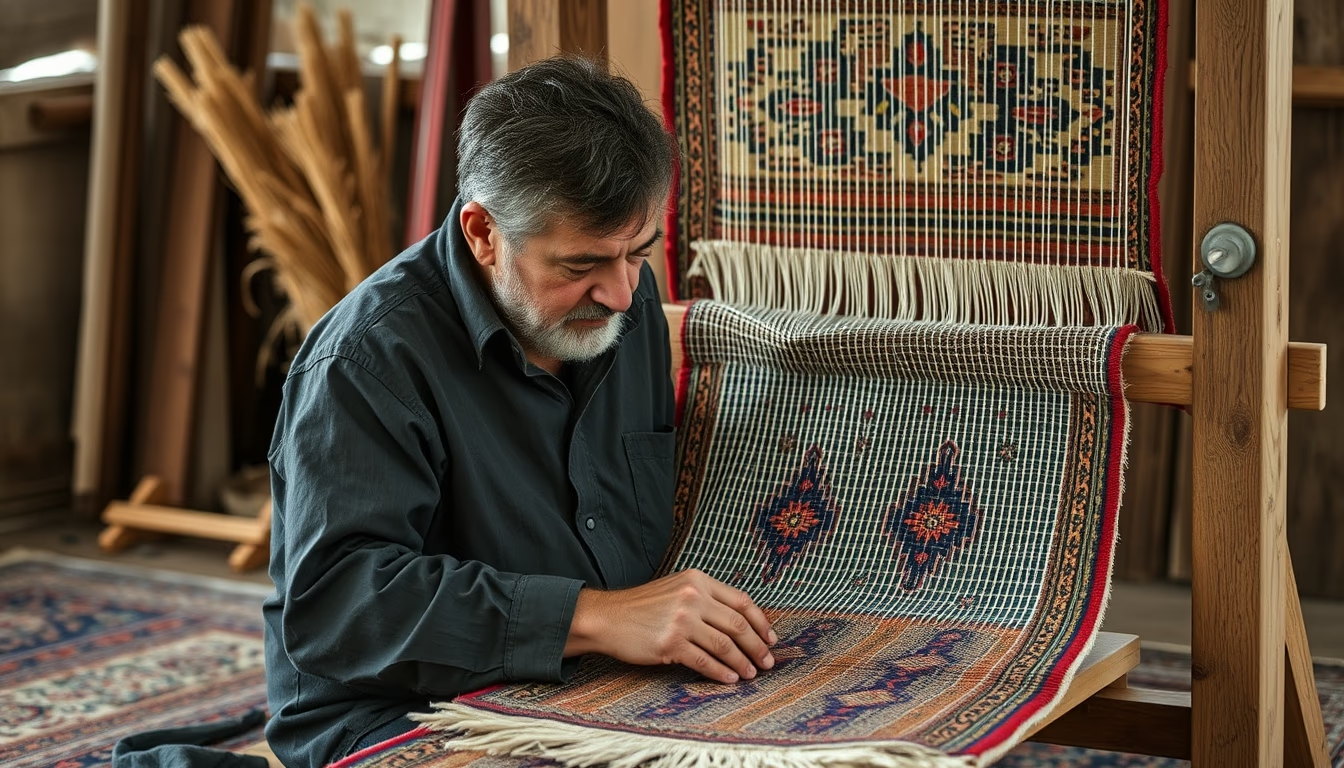
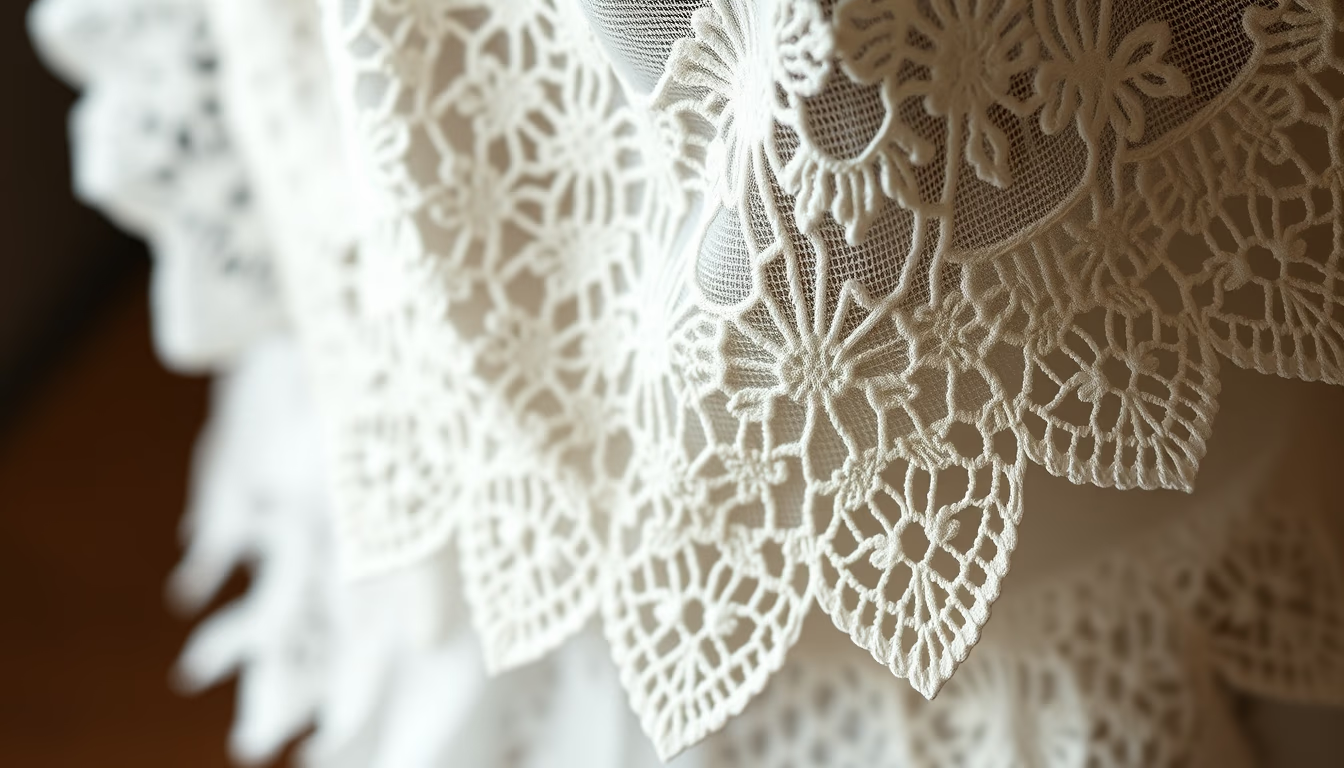
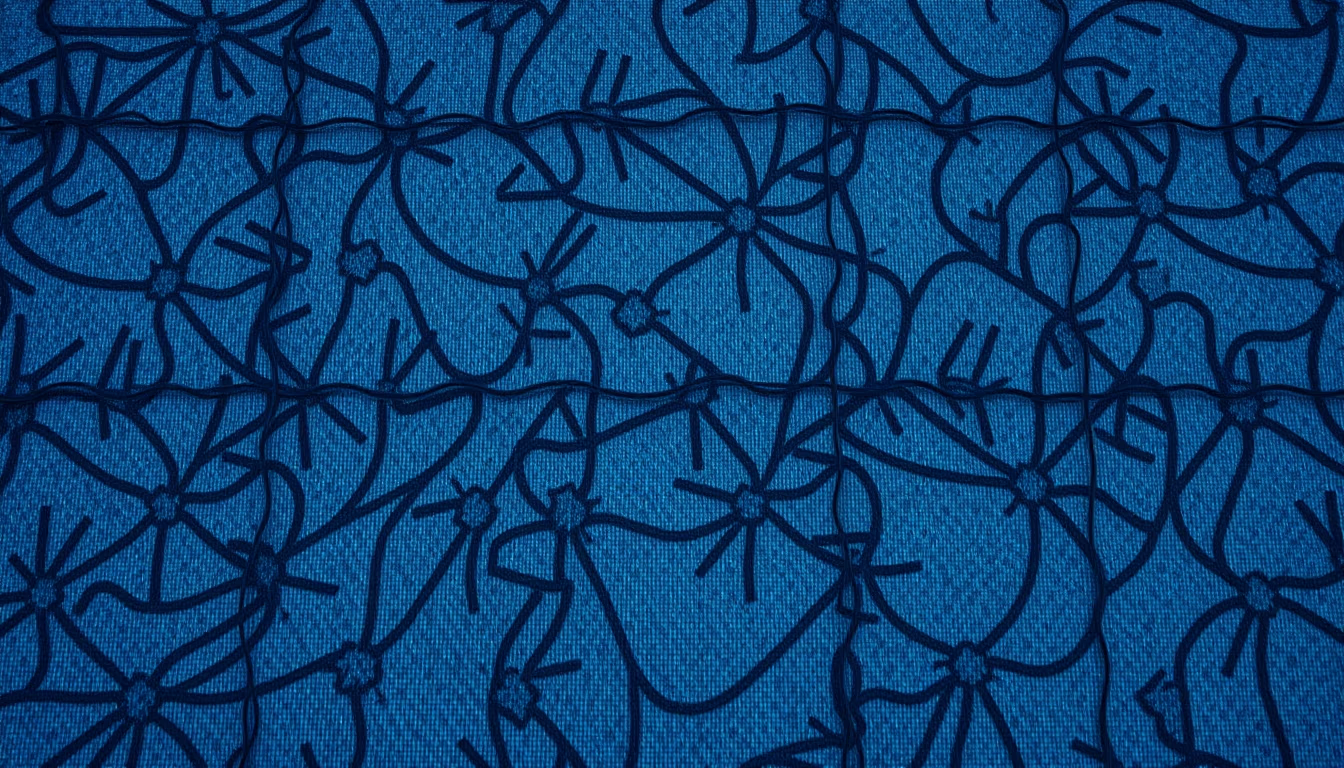
Crewel work wool is the yarn used in crewel embroidery, a traditional English technique creating relief and texture with long, loose stitches.
About this subject
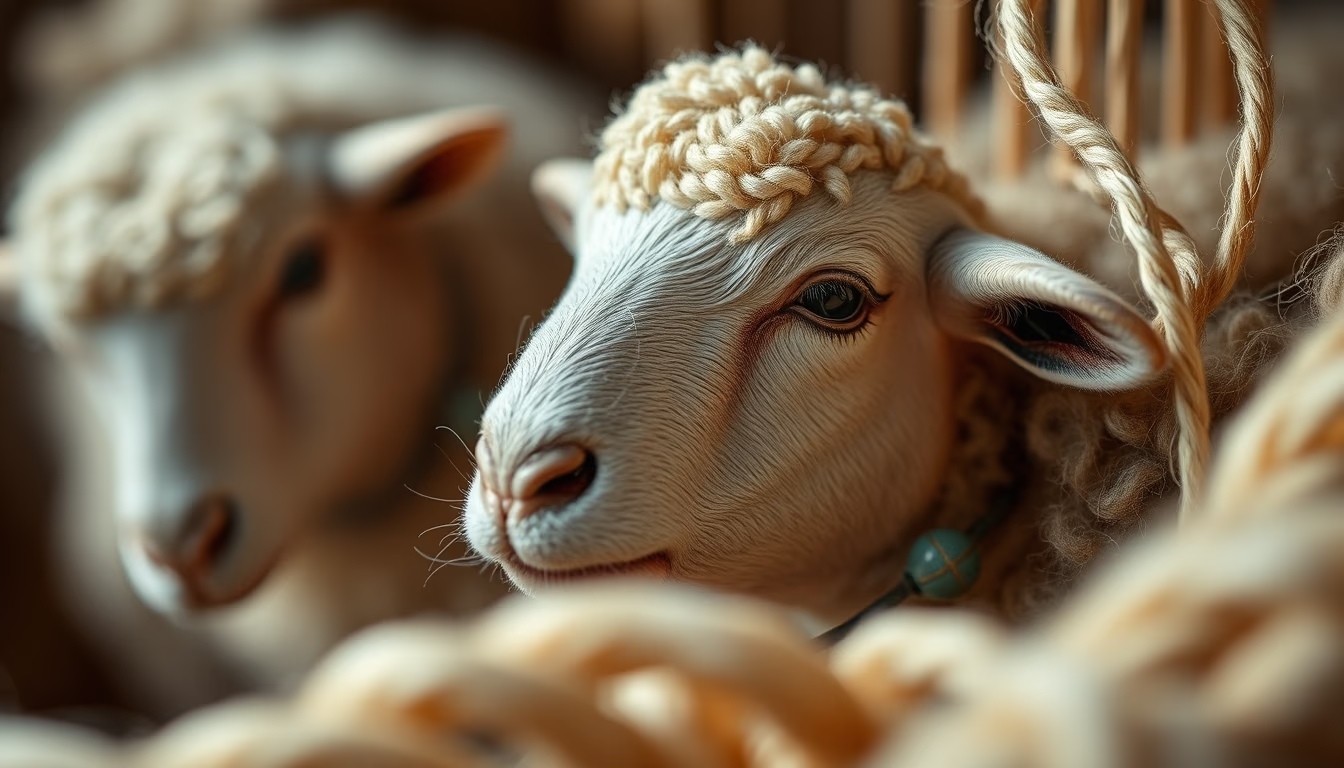
Crewel work wool is a fine, two-ply yarn made from sheep breeds such as Merino or Corriedale. Its light twist allows strands to separate easily, creating volume and texture in embroidery. Unlike regular knitting wool, crewel wool is thinner and stronger, ideal for detailed work on linen, cotton, or canvas.
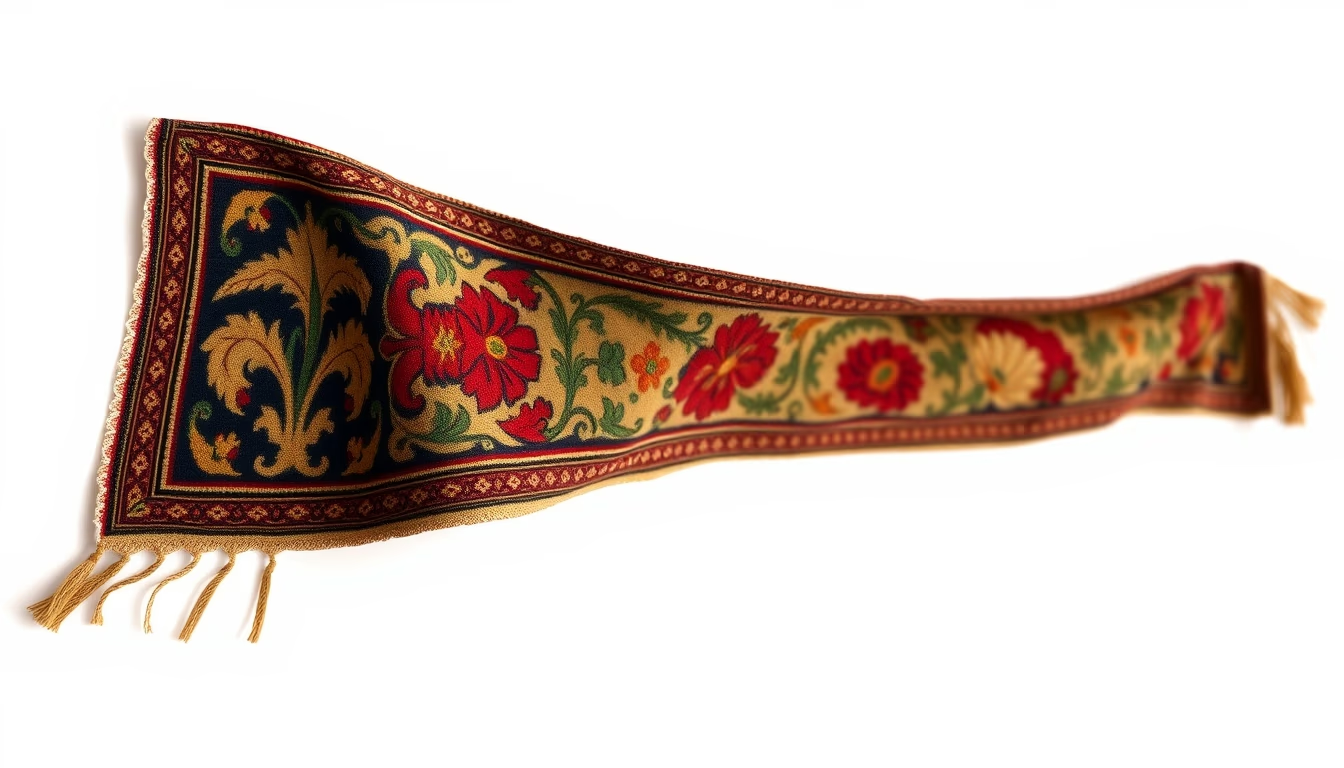
The crewel technique originated in 16th-century England and flourished during the Elizabethan era. Crewel embroideries often depict natural motifs: leaves, flowers, birds, and stylized animals. Using wool on cotton or linen fabric, artisans created decorative pieces like tapestries, cushions, and garments. The name "crewel" comes from an old English word for a ball of yarn.
Today, crewel work wool is valued by crafters for its depth and durability. Dyed with natural or synthetic substances, it offers a rich color palette. Stitches such as stem stitch, satin stitch, and French knots combine to create tactile, three-dimensional surfaces. Historical pieces like the Bayeux Tapestry, though not crewel, influenced the technique's development.
Fun fact: crewel work wool is often mistaken for rug wool, but its looser twist and sheen set it apart. In Brazil, crewel embroidery has gained followers in contemporary embroidery groups, blending tradition with modern design.
Frequently Asked Questions
What is the difference between crewel work wool and regular embroidery wool?
Crewel work wool is a fine two-ply yarn with a light twist, allowing strands to separate for textural effects. Regular embroidery wool is usually thicker and more tightly twisted, resulting in less volume and flexibility.
What stitches are most commonly used in crewel embroidery?
Key stitches include stem stitch, satin stitch, French knot, chain stitch, and leaf stitch. These create relief and detail in natural motifs.
How to choose the right fabric for crewel embroidery?
Fabrics with an open, firm weave such as linen, cotton twill, or canvas are ideal. They must withstand the tension of long stitches without distorting.
Direct URL
https://pub-c7d6a6ea828543ac903a74a341ccb2e1.r2.dev/imagens/crewel-work-wool-tilt-shift-miniature-fresh12.avifHow to credit
Include a visible link back to UtilizAí. Copy one of the snippets below:
<a href="https://xn--utiliza-eza.com/en/midia/imagens/crewel-work-wool-tilt-shift-miniature-fresh12">Crewel work wool</a> by <a href="https://xn--utiliza-eza.com">UtilizAí</a>, licensed under <a href="https://creativecommons.org/licenses/by/4.0/">CC BY 4.0</a>.
[Crewel work wool](https://xn--utiliza-eza.com/en/midia/imagens/crewel-work-wool-tilt-shift-miniature-fresh12) by [UtilizAí](https://xn--utiliza-eza.com), CC BY 4.0
License: CC-BY-4.0