Crewel work wool
1344×768 · AVIF · CC BY 4.0
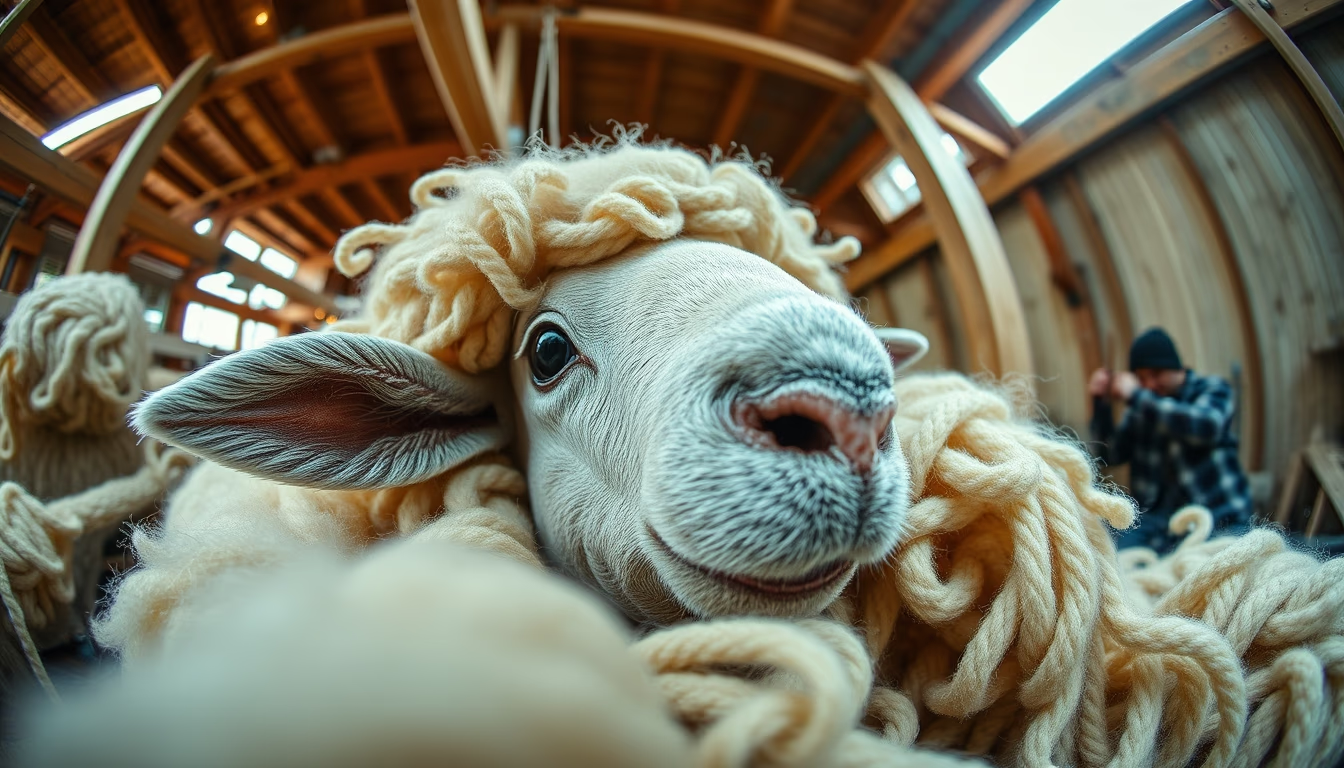
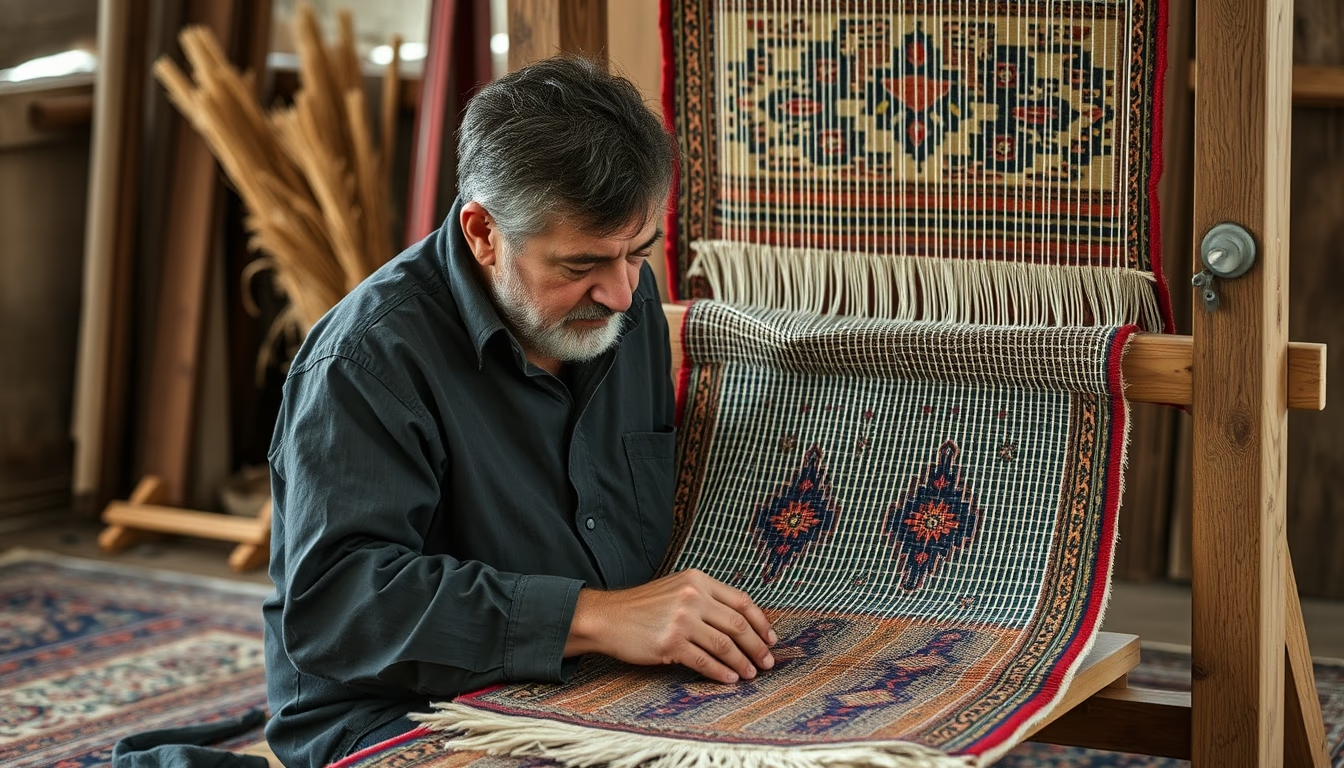
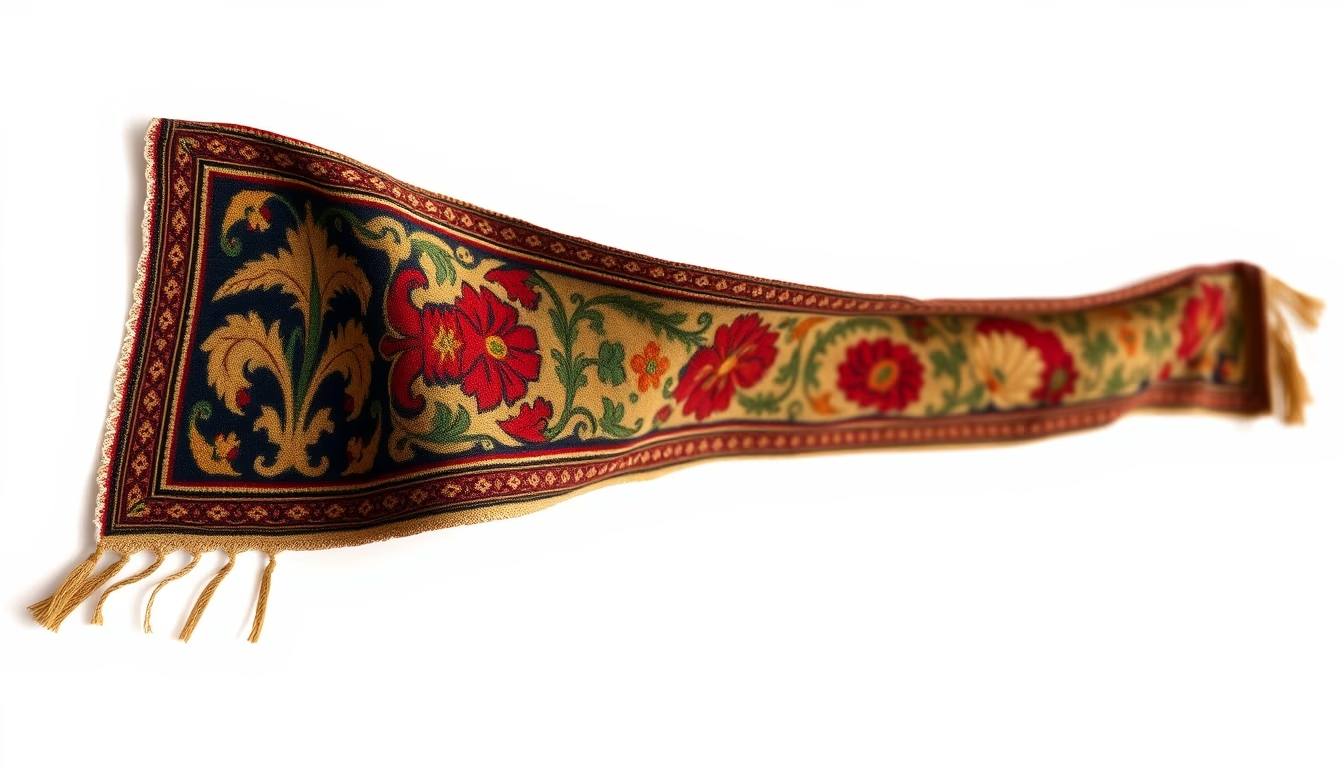
Crewel work is an embroidery technique using wool yarn on fabric, originating in 17th-century England and known for its floral and arabesque motifs.
About this subject
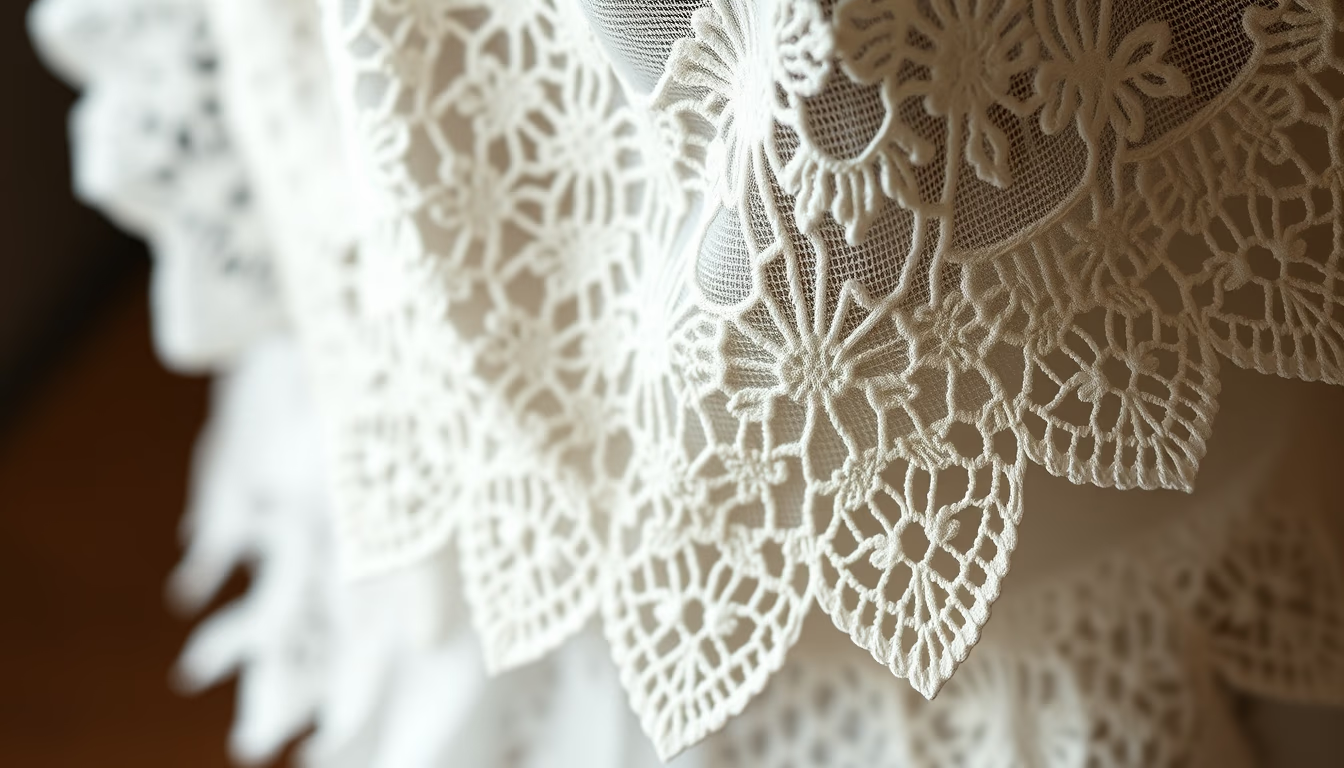
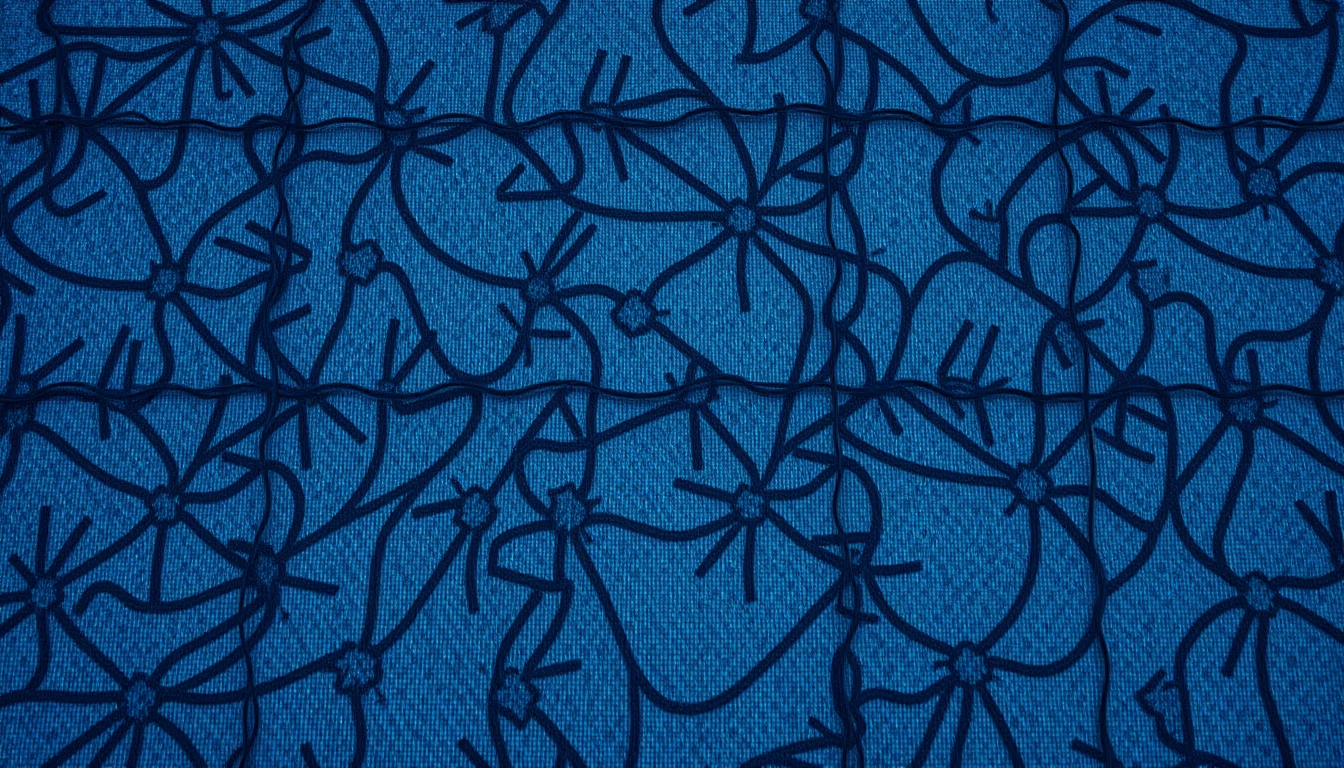
Crewel work, also known as crewel embroidery, is a form of embroidery that uses wool yarn (typically two-ply) on a fabric base, traditionally linen or cotton. Originating in 17th-century England, it reached peak popularity during the Jacobean period, being used to decorate tapestries, curtains, clothing, and household accessories. Typical designs include stylized floral motifs, leaves, arabesques, and animal forms, often employing long and short stitches to create shading and texture.
Unlike embroidery with silk or cotton thread, crewel work stands out for the volume and softness provided by wool. Common stitches include back stitch, stem stitch, chain stitch, and satin stitch. Historical pieces frequently feature the so-called “tree of life”, a central motif with branches and flowers symbolizing fertility and prosperity. During the 18th and 19th centuries, crewel work was exported to British colonies, influencing embroidery in India, North America, and Australia.
Today, crewel work is experiencing a revival among crafters and embroidery enthusiasts. Modern kits use high-quality wool and pre-stamped fabrics, making the technique more accessible. Museums such as the Victoria and Albert Museum in London preserve historical examples. The technique is sometimes compared with other wool embroidery traditions, such as English stumpwork or the wool embroidery of Pakistan, but retains its own identity through the use of two-ply wool yarn and asymmetrical, flowing patterns.
Frequently Asked Questions
What is the difference between crewel work and traditional embroidery?
Crewel work exclusively uses wool yarn, while traditional embroidery may use cotton, silk, or synthetics. Crewel work also employs specific stitches like long and short stitch to create texture and relief.
What fabric is best for crewel work?
Traditionally, linen or tightly woven cotton is used. Fabrics like denim or canvas can also work, as long as they can support the weight of the wool without distorting.
Is crewel work difficult to learn?
No, it is accessible to beginners. Basic stitches are simple to master with practice. Many kits include detailed instructions and pre-printed patterns.
Direct URL
https://pub-c7d6a6ea828543ac903a74a341ccb2e1.r2.dev/imagens/crewel-work-wool-fish-eye-wide-angle-fresh11.avifHow to credit
Include a visible link back to UtilizAí. Copy one of the snippets below:
<a href="https://xn--utiliza-eza.com/en/midia/imagens/crewel-work-wool-fish-eye-wide-angle-fresh11">Crewel work wool</a> by <a href="https://xn--utiliza-eza.com">UtilizAí</a>, licensed under <a href="https://creativecommons.org/licenses/by/4.0/">CC BY 4.0</a>.
[Crewel work wool](https://xn--utiliza-eza.com/en/midia/imagens/crewel-work-wool-fish-eye-wide-angle-fresh11) by [UtilizAí](https://xn--utiliza-eza.com), CC BY 4.0
License: CC-BY-4.0