Zen tea house rural japan
1344×768 · AVIF · CC BY 4.0
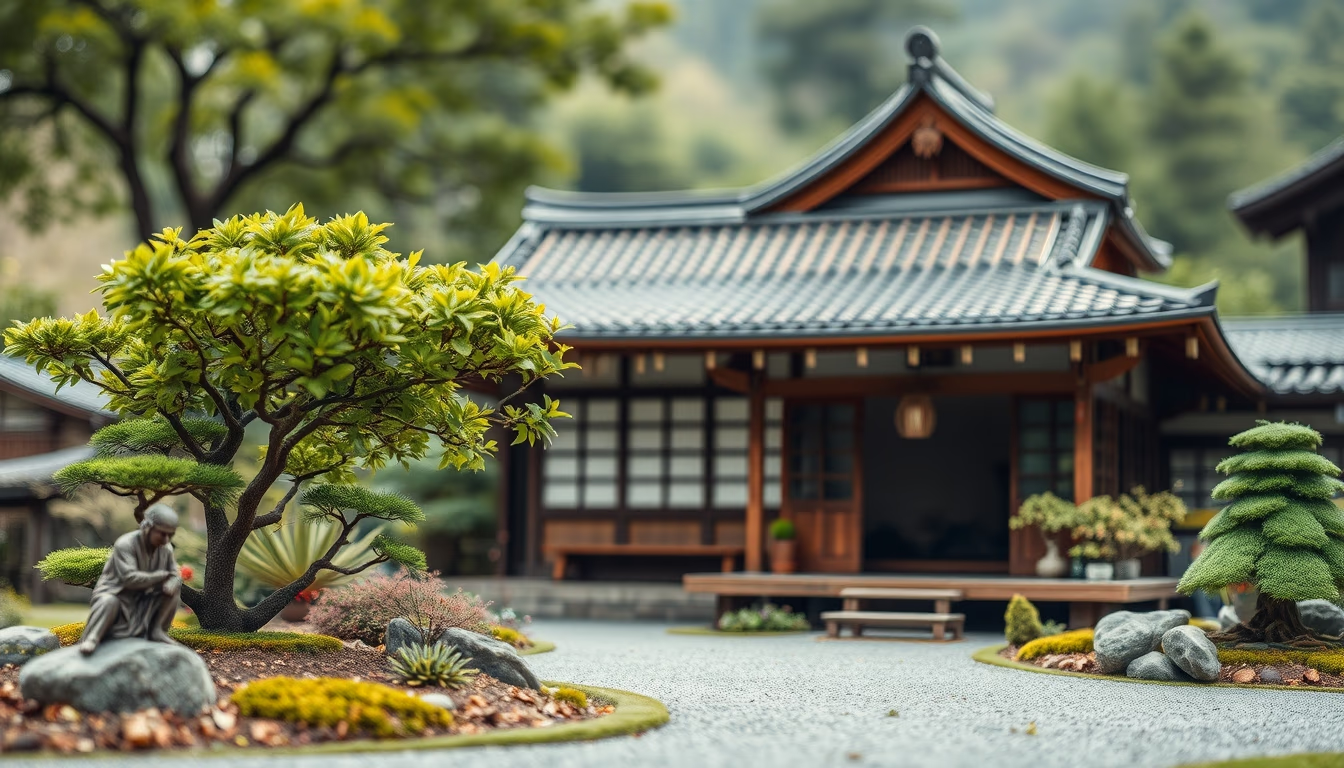
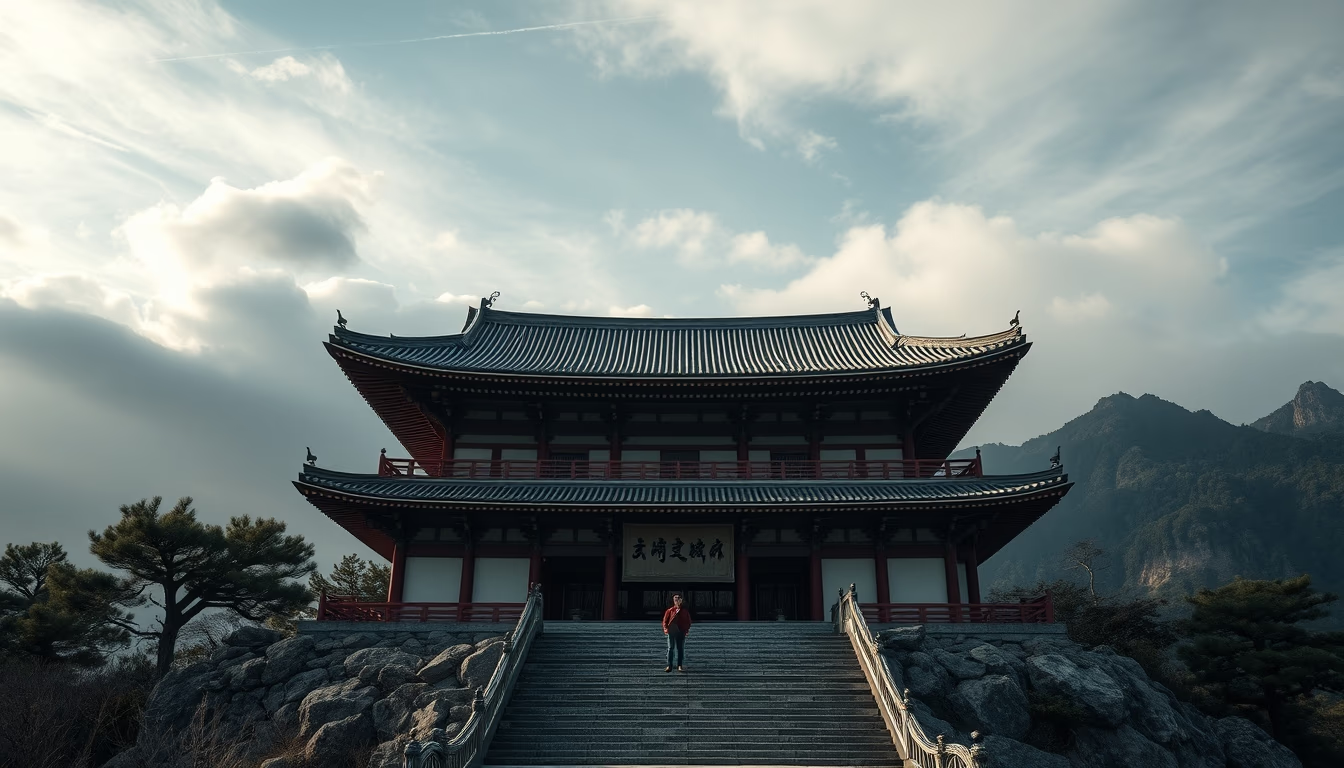
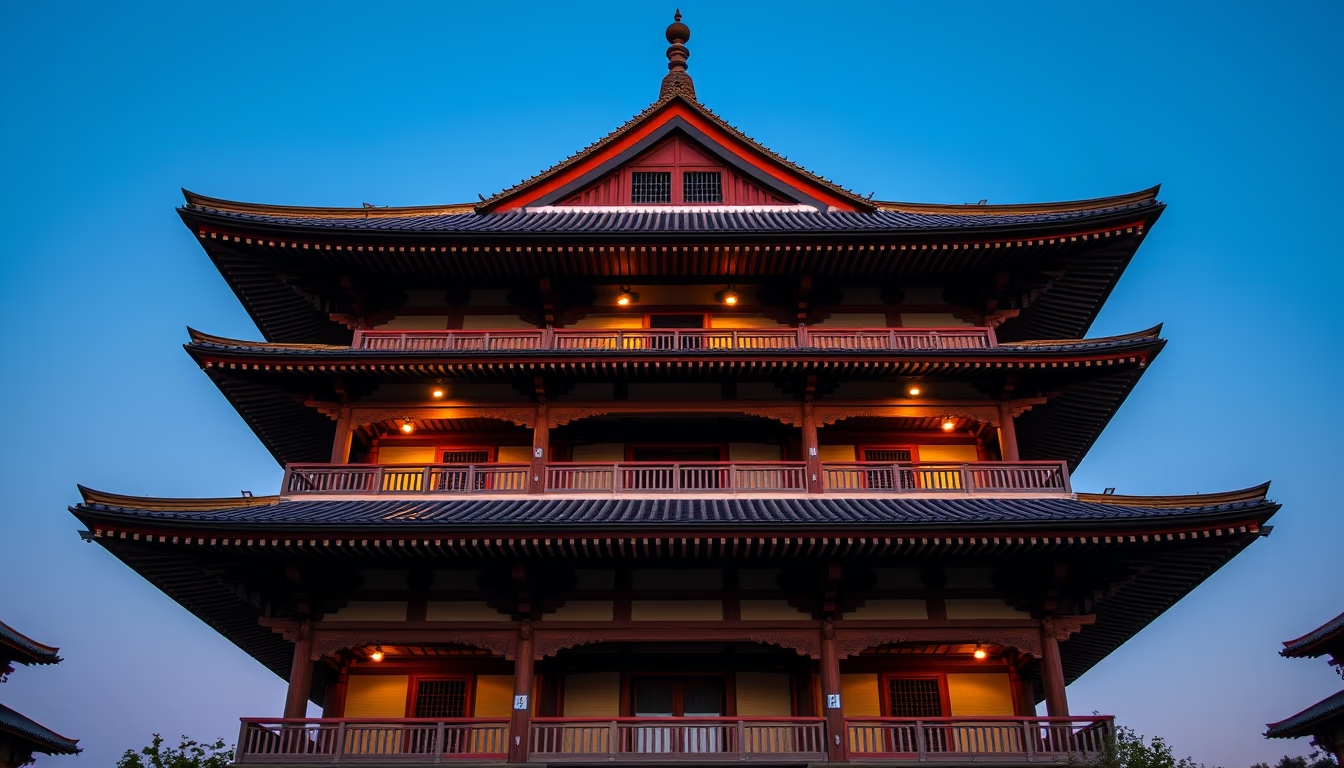
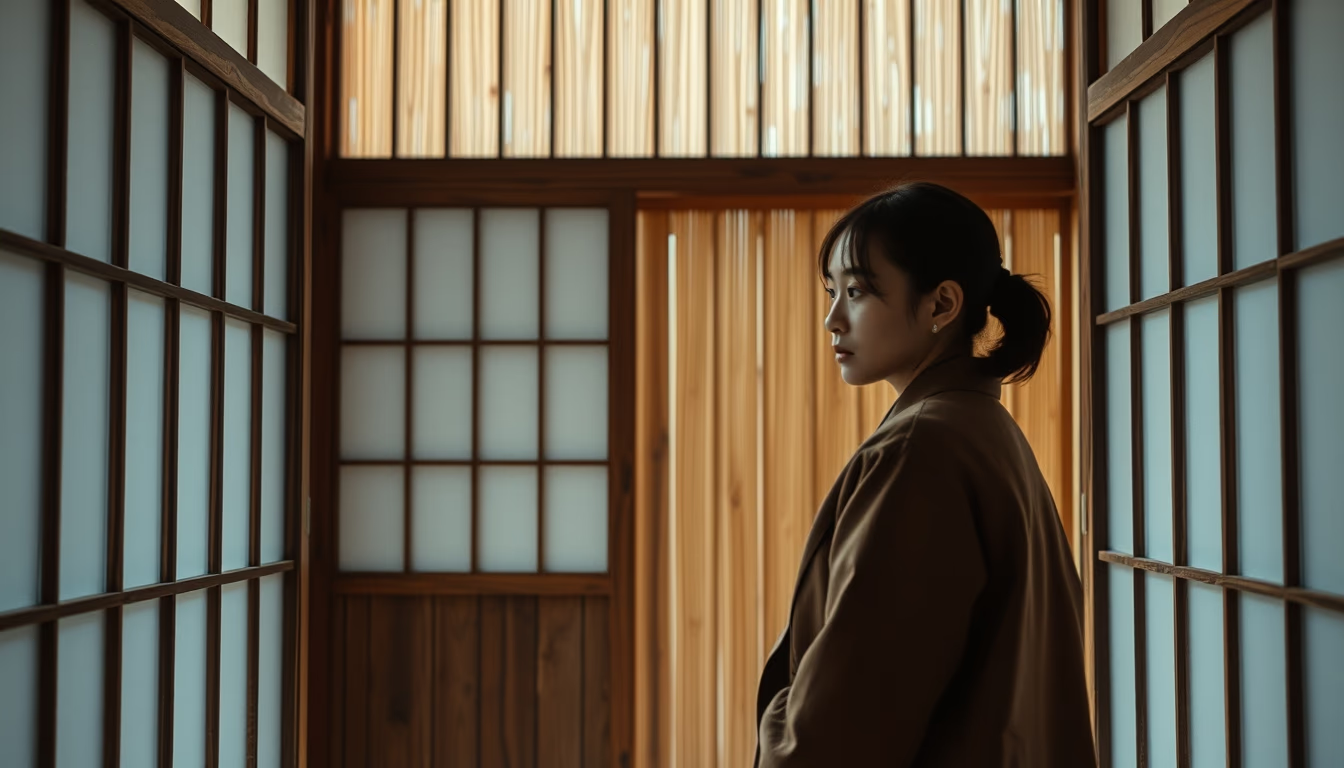
Discover the serenity of a Zen tea house in rural Japan, where the tea ceremony and traditional architecture invite contemplation and harmony with nature.
About this subject
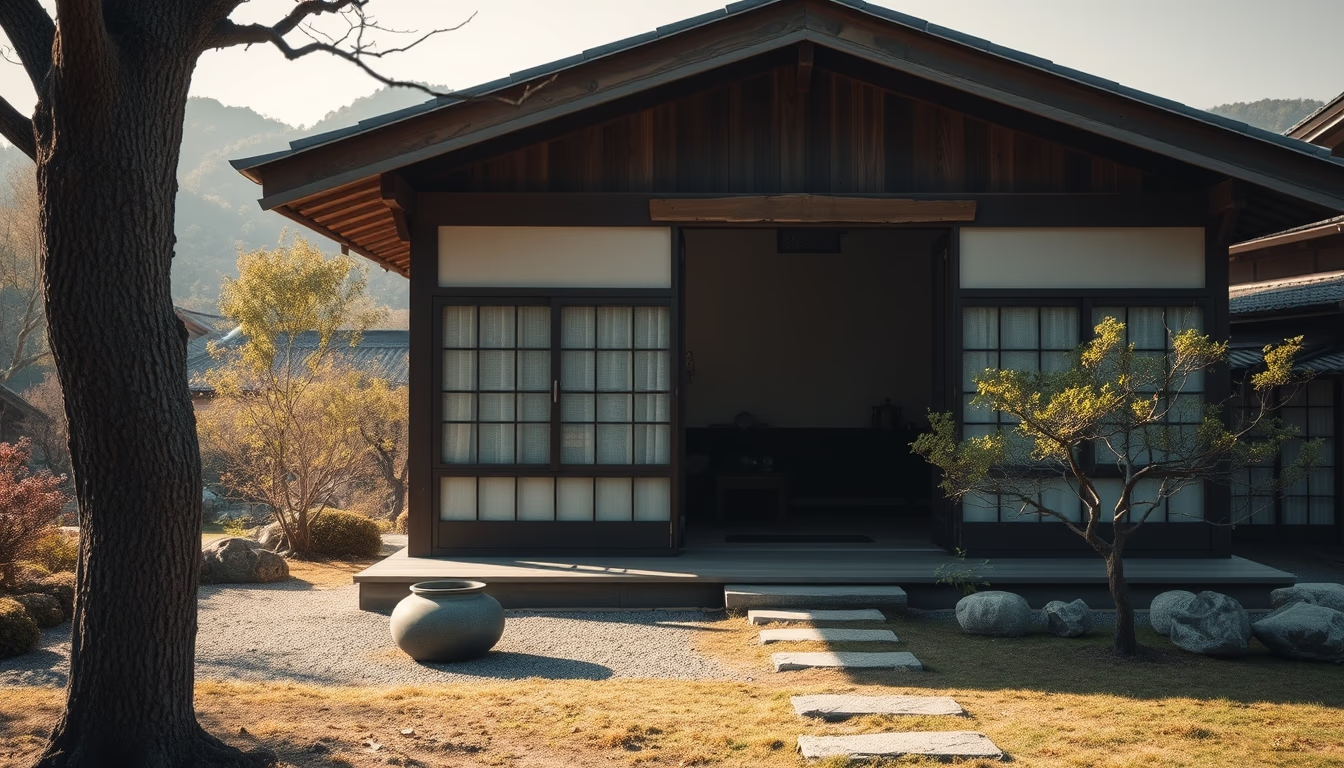
The Zen tea house, or chashitsu, is an architectural space rooted in Zen Buddhist philosophy, designed to host the tea ceremony (chanoyu). Typically located in rural Japan, such as in Kyoto or the mountains of Nagano, these structures embody wabi-sabi, valuing simplicity, imperfection, and natural beauty. The interior features tatami mats, a tokonoma alcove for a scroll or ikebana, and a built-in hearth (irori) for boiling water. The low entrance (nijiriguchi) forces visitors to bow, symbolizing humility and equality.
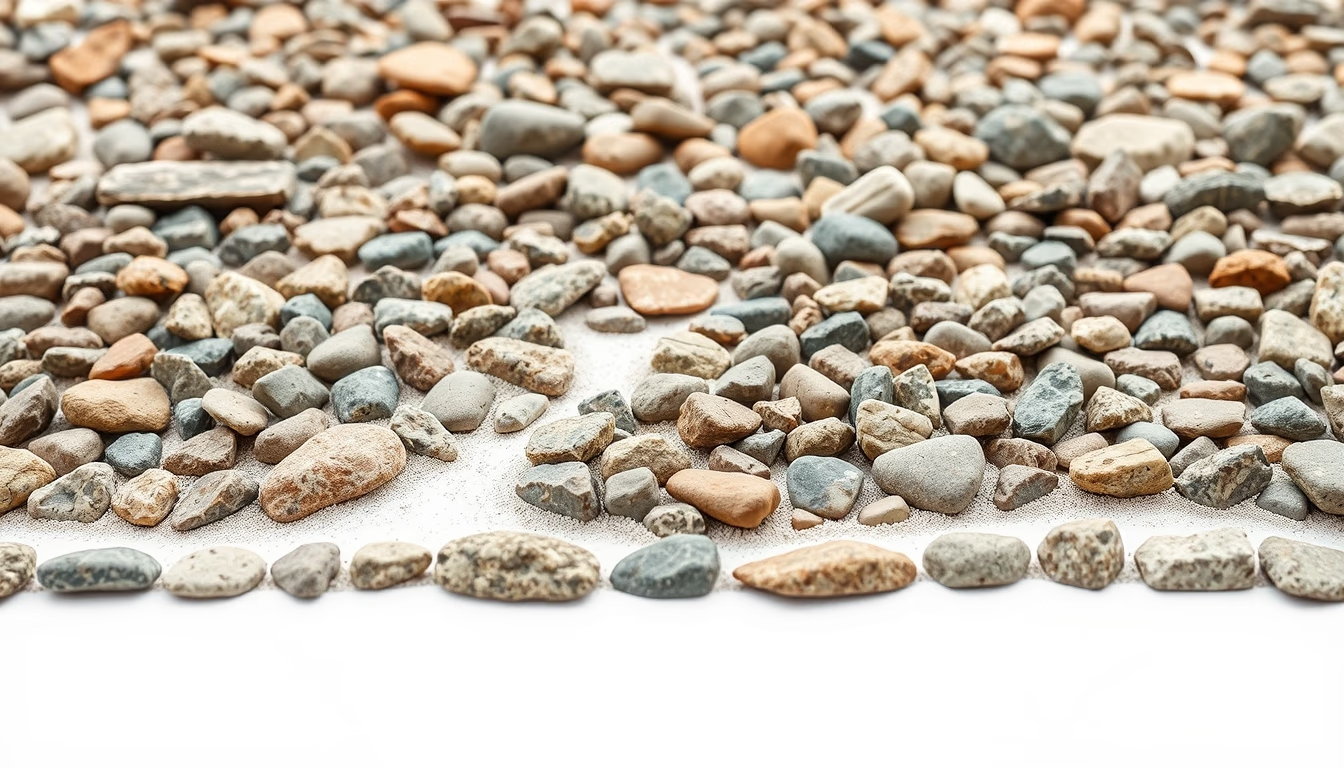
The rural setting is essential to the Zen experience, as silence and natural landscapes intensify meditation. Many tea houses have carefully designed gardens with stone paths (roji) leading to a water basin (tsukubai) for ritual purification. The tea ceremony, influenced by masters like Sen no Rikyu, emphasizes harmony (wa), respect (kei), purity (sei), and tranquility (jaku). Every gesture is choreographed to create a moment of mindfulness.
Historically, tea houses emerged in the 16th century as retreats from the chaos of war, promoting inner peace. Today, some are open to the public for authentic experiences, especially in areas like Uji or Kanazawa. The architecture adapts to the local climate, using wood, clay, and bamboo, materials that age gracefully. Natural lighting and cross-ventilation are planned to connect interior and exterior, blurring the boundaries between humanity and nature.
Interestingly, the word 'cha' (tea) arrived in Japan from China in the 9th century, but the ceremony as we know it was formalized centuries later. In rural regions, the tea house is often separate from the main residence, surrounded by fruit trees or rice fields. This integration with the landscape reinforces the Zen principle that enlightenment can be found in everyday activities, such as preparing and drinking tea.
Frequently Asked Questions
What is a Zen tea house?
A Zen tea house, or chashitsu, is a traditional Japanese structure designed for the tea ceremony. It follows Zen Buddhist principles such as simplicity, humility, and connection with nature, often located in rural areas to provide a contemplative environment.
Why is the tea ceremony important in Zen?
The tea ceremony (chanoyu) is a meditative practice incorporating the four Zen principles: harmony, respect, purity, and tranquility. Each movement is intentional, promoting mindfulness and appreciation of the present moment, away from daily distractions.
Where can I find Zen tea houses in rural Japan?
Authentic tea houses are common in regions like Kyoto, Uji, Kanazawa, and the mountains of Nagano. Many are open to the public for visits and guided tea ceremony experiences, especially at Zen temples or historical properties.
Direct URL
https://pub-c7d6a6ea828543ac903a74a341ccb2e1.r2.dev/imagens/zen-tea-house-rural-japan-tilt-shift-miniature-fresh8.avifHow to credit
Include a visible link back to UtilizAí. Copy one of the snippets below:
<a href="https://xn--utiliza-eza.com/en/midia/imagens/zen-tea-house-rural-japan-tilt-shift-miniature-fresh8">Zen tea house rural japan</a> by <a href="https://xn--utiliza-eza.com">UtilizAí</a>, licensed under <a href="https://creativecommons.org/licenses/by/4.0/">CC BY 4.0</a>.
[Zen tea house rural japan](https://xn--utiliza-eza.com/en/midia/imagens/zen-tea-house-rural-japan-tilt-shift-miniature-fresh8) by [UtilizAí](https://xn--utiliza-eza.com), CC BY 4.0
License: CC-BY-4.0