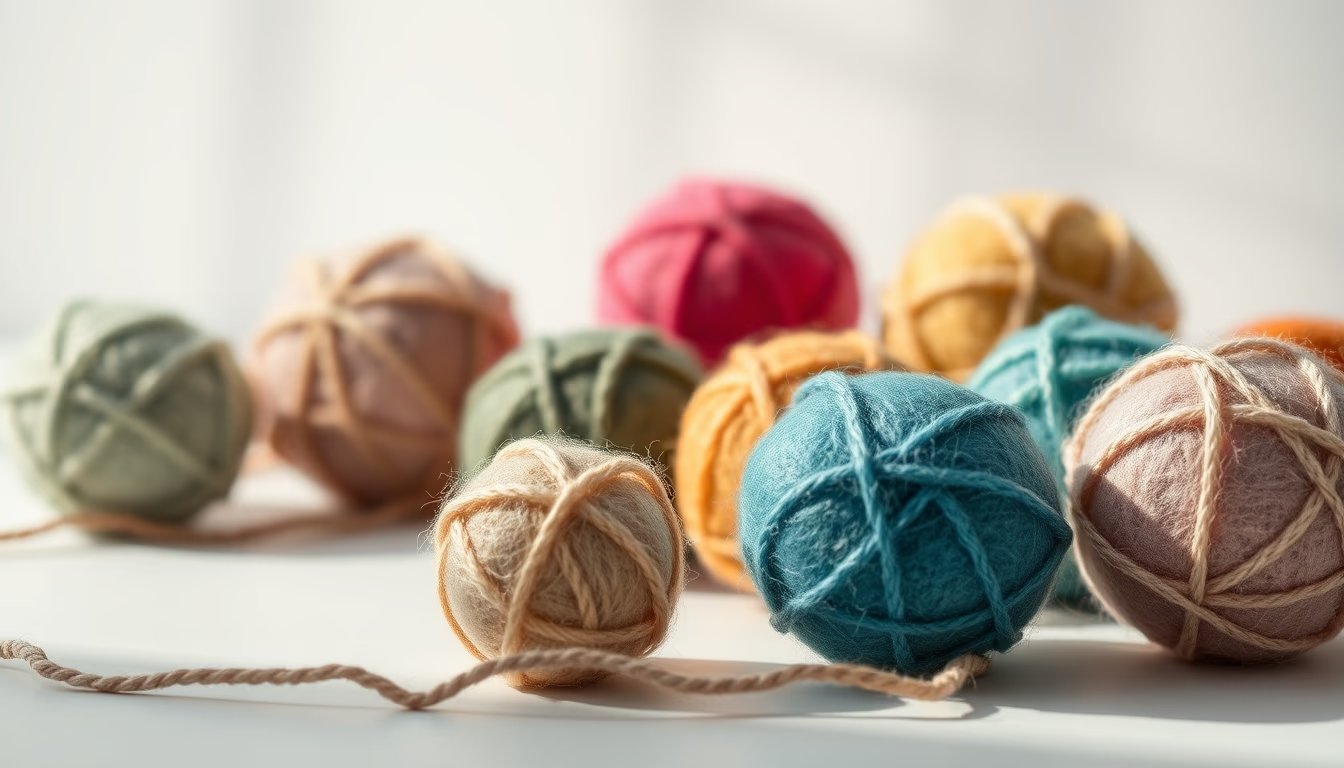
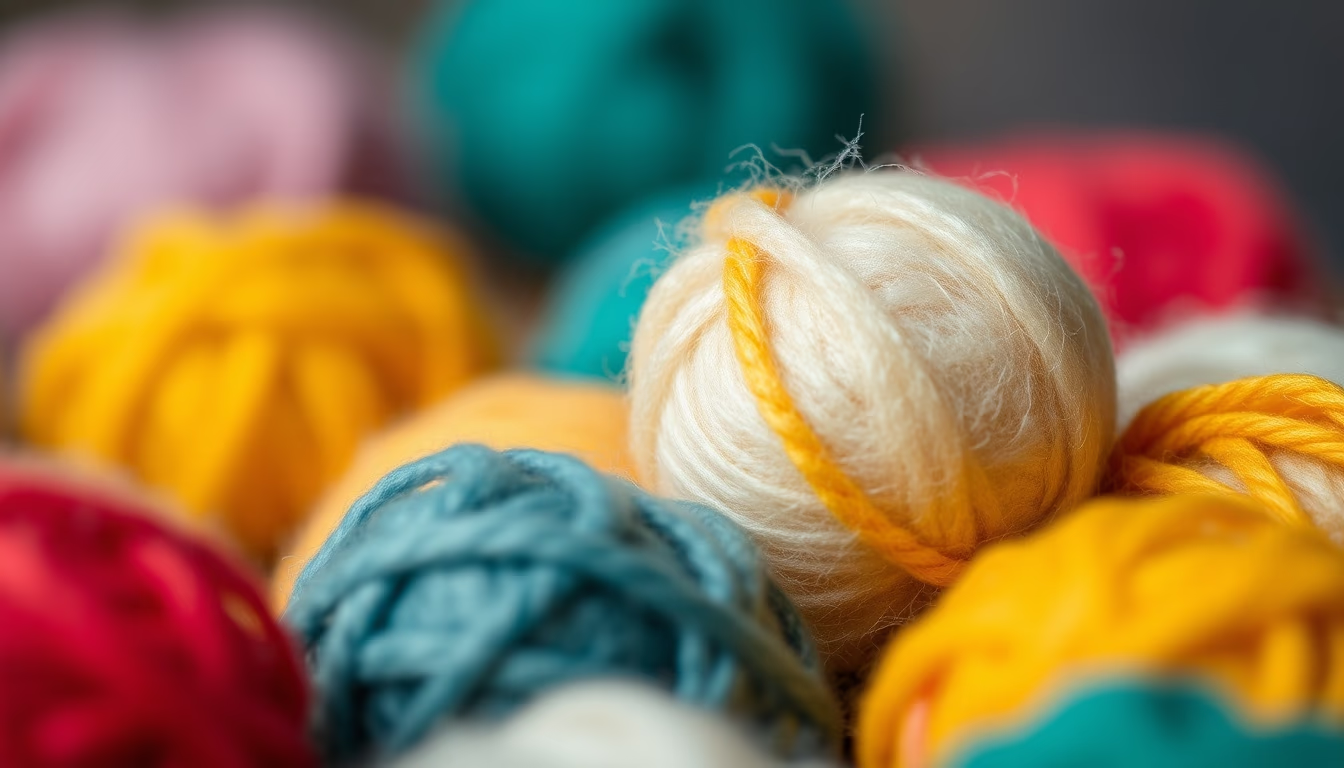
Wool yarn skeins rainbow
1344×768 · AVIF · CC BY 4.0
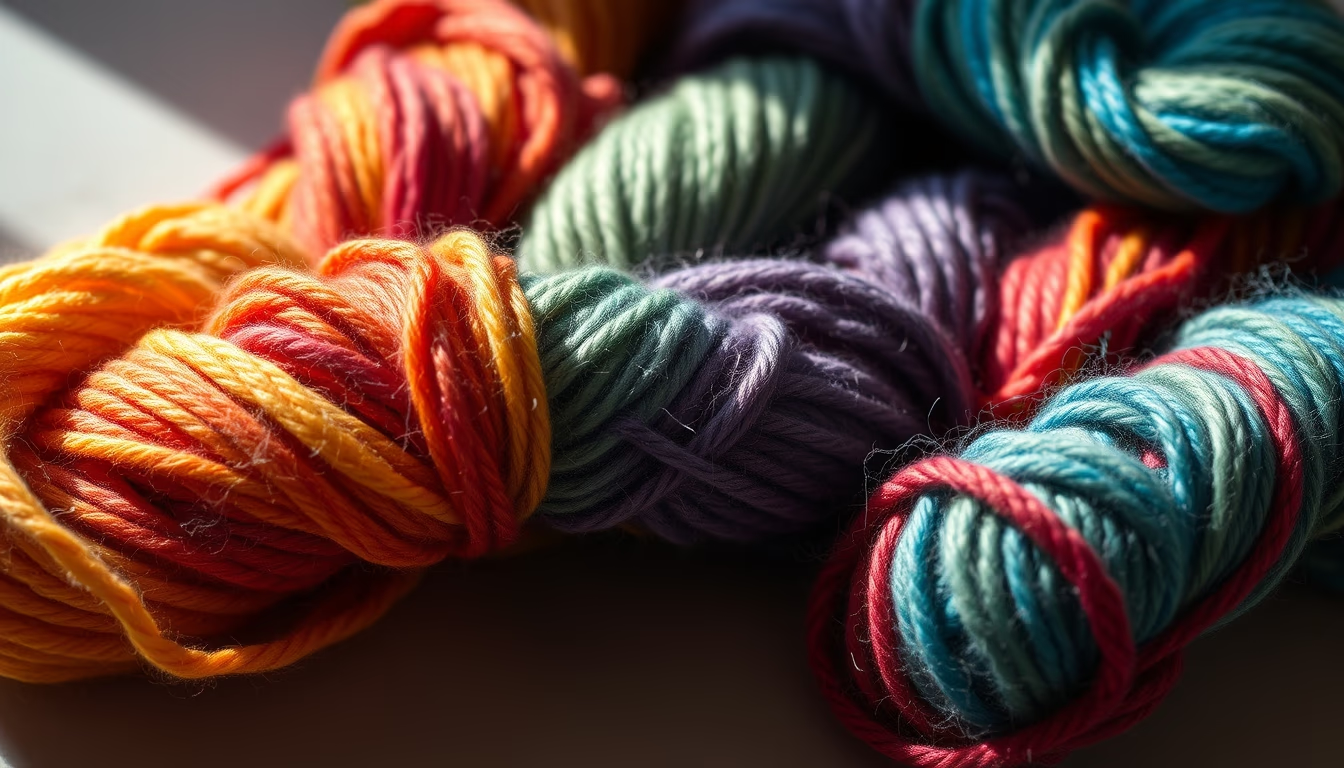
Meadas de lã tingidas em cores de arco-íris combinam técnica artesanal e estética vibrante, muito usadas em tricô e crochê para projetos coloridos.
Sobre o tema
As meadas de lã em cores de arco-íris são o resultado de um processo de tingimento que pode ser feito com corantes naturais ou sintéticos. O tingimento artesanal permite criar gradientes e transições suaves entre as cores, algo muito valorizado por artesãos. A técnica mais comum é o tingimento em imersão, onde a meada é mergulhada em diferentes banhos de cor, ou o tingimento manual, com aplicação direta dos corantes. A lã, por ser uma fibra proteica, absorve bem os corantes, resultando em cores vivas e duradouras.
Na cultura do tricô e do crochê, as meadas coloridas são especialmente populares para a confecção de xales, cachecóis e mantas que exploram a variação cromática sem necessidade de trocar de fio. O efeito gradiente ou listrado é obtido naturalmente durante o trabalho, criando peças únicas. A tendência do “rainbow” ganhou força com movimentos como o Pride e a valorização da diversidade, tornando essas meadas símbolos de expressão pessoal.
Historicamente, o uso de cores em fios remonta a séculos, com o tingimento natural usando plantas como índigo, urucum e cochinilha. Hoje, a produção artesanal de meadas arco-íris é um nicho dentro do mercado de fibras, com pequenas produtoras que oferecem lotes únicos. A escolha da lã também influencia: lãs como Merino, Corriedale e BFL são preferidas por sua maciez e capacidade de reter a cor.
Perguntas frequentes
Como são tingidas as meadas de lã com cores de arco-íris?
Geralmente pelo tingimento manual ou por imersão em diferentes banhos de cor. No tingimento manual, os corantes são aplicados diretamente sobre a meada úmida, criando transições suaves. Já na imersão, a meada é mergulhada parcialmente em cada cor.
Qual a origem do uso de cores vibrantes na lã?
O tingimento de lã com cores vibrantes tem raízes antigas, com corantes naturais extraídos de plantas e insetos. O uso de múltiplas cores em um mesmo fio, como o arco-íris, ganhou popularidade no século XX com o artesanato moderno e movimentos culturais.
Quais tipos de lã são melhores para tingimento artesanal?
Lãs de alta qualidade como Merino, Corriedale, BFL (Bluefaced Leicester) e Shetland são excelentes porque têm fibras macias e boa absorção de cor. A lã Merino é a mais comum por seu toque suave.
URL direta
https://pub-c7d6a6ea828543ac903a74a341ccb2e1.r2.dev/imagens/wool-yarn-skeins-rainbow-magazine-editorial-fresh2.avifComo creditar
Inclua um link visível de volta pro UtilizAí. Copie um dos snippets abaixo:
<a href="https://xn--utiliza-eza.com/midia/imagens/wool-yarn-skeins-rainbow-magazine-editorial-fresh2">Wool yarn skeins rainbow</a> by <a href="https://xn--utiliza-eza.com">UtilizAí</a>, licensed under <a href="https://creativecommons.org/licenses/by/4.0/">CC BY 4.0</a>.
[Wool yarn skeins rainbow](https://xn--utiliza-eza.com/midia/imagens/wool-yarn-skeins-rainbow-magazine-editorial-fresh2) by [UtilizAí](https://xn--utiliza-eza.com), CC BY 4.0
Licença: CC-BY-4.0