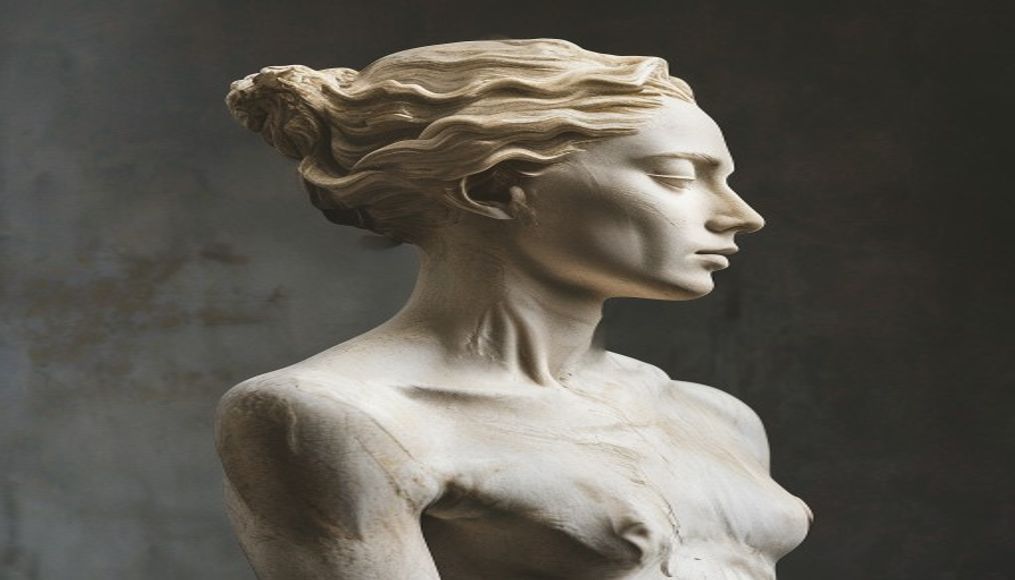
Venus de milo armless
1344×768 · AVIF · CC BY 4.0
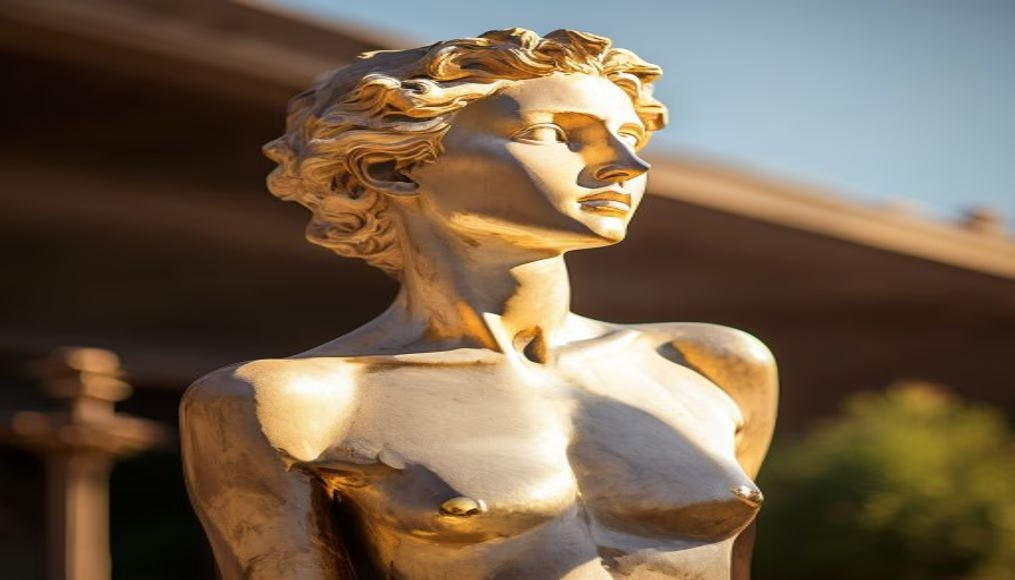
The Venus de Milo is one of the most famous ancient Greek sculptures, now at the Louvre Museum, renowned for her beauty and missing arms.
About this subject
The Venus de Milo, also known as Aphrodite of Milos, is a white marble statue discovered in 1820 on the Greek island of Milos in the Aegean Sea. It dates from the Hellenistic period, roughly between 130 and 100 BC, and is attributed to the sculptor Alexandros of Antioch, as per the inscription on its original base. The work depicts the goddess Aphrodite (Venus in Roman mythology) and stands about 2.02 meters tall.
The sculpture was found in two large fragments, along with pieces of arms and a hand holding an apple. These parts were lost or damaged after discovery, sparking debates about the goddess's original pose. Studies suggest she might have been holding an apple (symbol of discord) or a mirror, but no consensus exists. Today, the Venus de Milo is displayed at the Louvre Museum in Paris, attracting millions of visitors annually.
The statue is an icon of classical art and has influenced countless artists and cultural movements. Its missing arms contribute to its mystery and allure, making it a symbol of idealized beauty. The Venus de Milo has also sparked controversies, such as the dispute between Greece and France over its ownership, and suspicions that the arms were deliberately removed to increase its commercial value. Despite this, it remains one of the most studied and admired sculptures in the world.
Frequently Asked Questions
Why is the Venus de Milo missing her arms?
The original arms were lost after the discovery in 1820. Fragments were found but not preserved, and there are theories that they were deliberately removed to hinder identification or increase value.
Where is the Venus de Milo currently displayed?
It is on display at the Louvre Museum in Paris, in the Sully wing, on the first floor, in a room dedicated to Greek sculptures.
Who sculpted the Venus de Milo?
The sculpture is attributed to Alexandros of Antioch, a Hellenistic sculptor, according to the inscription on the original base that was later lost.
Direct URL
https://pub-c7d6a6ea828543ac903a74a341ccb2e1.r2.dev/imagens/venus-de-milo-armless-travel-photography-p2.avifHow to credit
Include a visible link back to UtilizAí. Copy one of the snippets below:
<a href="https://xn--utiliza-eza.com/en/midia/imagens/venus-de-milo-armless-travel-photography-p2">Venus de milo armless</a> by <a href="https://xn--utiliza-eza.com">UtilizAí</a>, licensed under <a href="https://creativecommons.org/licenses/by/4.0/">CC BY 4.0</a>.
[Venus de milo armless](https://xn--utiliza-eza.com/en/midia/imagens/venus-de-milo-armless-travel-photography-p2) by [UtilizAí](https://xn--utiliza-eza.com), CC BY 4.0
License: CC-BY-4.0