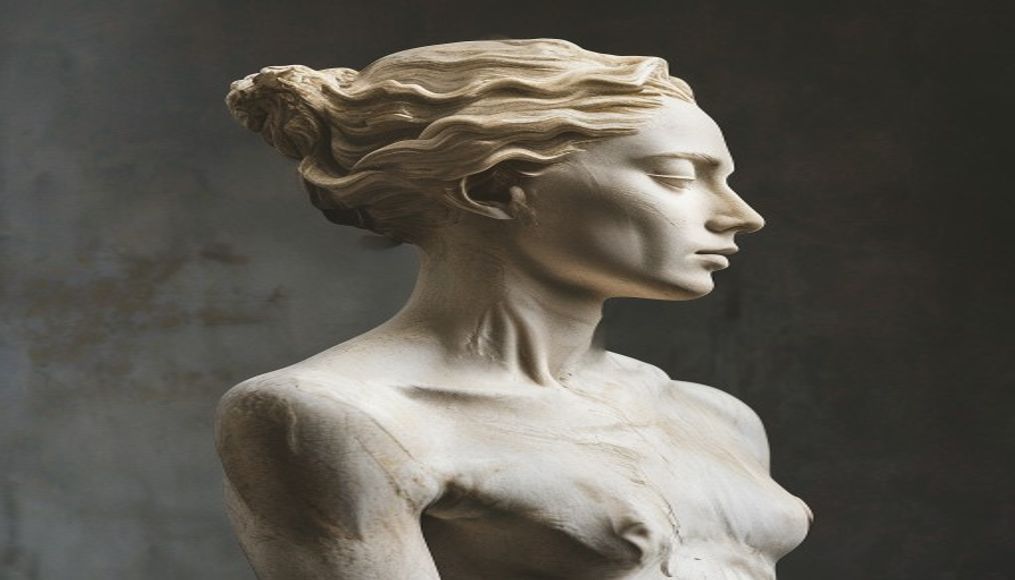
Venus de milo armless
1344×768 · AVIF · CC BY 4.0
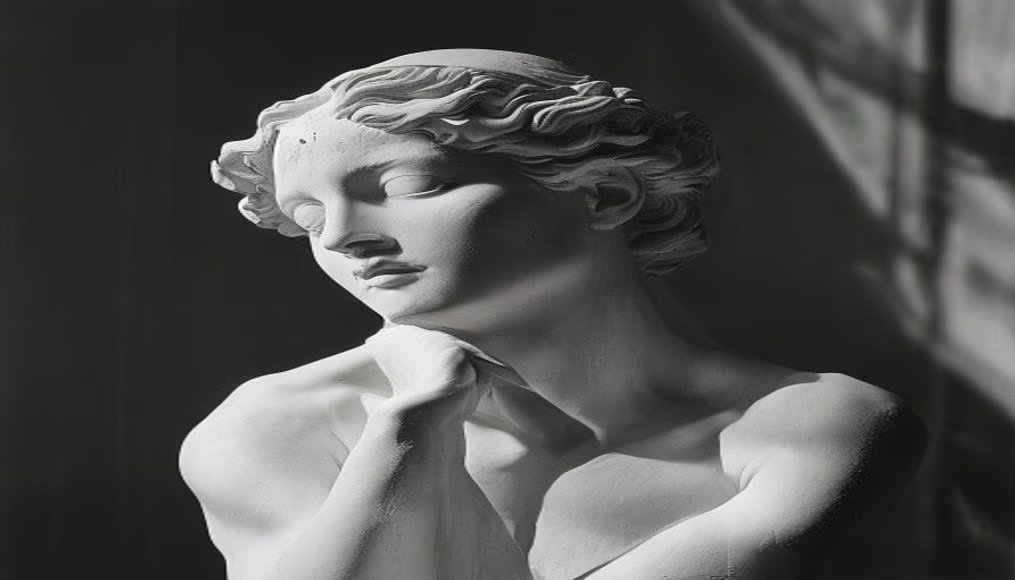
The Venus de Milo is the famous armless Greek sculpture, one of the most recognized icons of classical beauty and archaeological mystery.
About this subject
The Venus de Milo is a marble statue depicting Aphrodite, the Greek goddess of love and beauty. It was discovered on April 8, 1820, by a farmer named Yorgos Kentrotas in the ruins of the ancient city of Milos, an island in the Aegean Sea. The sculpture dates to the Hellenistic period, around 130 BC, and is attributed to the sculptor Alexandros of Antioch.
The work is famous for its missing arms, which were lost over the centuries. Studies suggest the original arms were likely raised or holding something, such as an apple or a mirror, but there is no consensus. The mystery of the original pose fuels academic debate and public fascination.
Since 1821, the Venus de Milo has been housed in the Louvre Museum in Paris, where it is one of the most visited pieces. Its idealized beauty and elegant posture have influenced countless artists and become a symbol of classical art. The statue stands about 2.02 meters tall and is made of Parian marble.
Interestingly, the statue's fame grew precisely because of the missing arms, which sparked speculation and made it even more iconic. It represents the aesthetic perfection of the human body according to Hellenistic standards, combining realism and idealization.
Frequently Asked Questions
Why is the Venus de Milo missing her arms?
The original arms were lost over time, likely during centuries of burial or when the statue was moved. It is believed the sculpture was damaged before its discovery in 1820.
Where was the Venus de Milo found?
It was discovered in 1820 on the island of Milos, Greece, by a local farmer. The ruins of the ancient city of Milos in the Aegean Sea were the site of the find.
What is the artistic significance of the Venus de Milo?
The statue is a remarkable example of Hellenistic sculpture, combining realism and idealization. It has influenced Western art and remains an enduring symbol of classical beauty, as well as one of the Louvre Museum's most famous works.
Direct URL
https://pub-c7d6a6ea828543ac903a74a341ccb2e1.r2.dev/imagens/venus-de-milo-armless-magazine-editorial-p0.avifHow to credit
Include a visible link back to UtilizAí. Copy one of the snippets below:
<a href="https://xn--utiliza-eza.com/en/midia/imagens/venus-de-milo-armless-magazine-editorial-p0">Venus de milo armless</a> by <a href="https://xn--utiliza-eza.com">UtilizAí</a>, licensed under <a href="https://creativecommons.org/licenses/by/4.0/">CC BY 4.0</a>.
[Venus de milo armless](https://xn--utiliza-eza.com/en/midia/imagens/venus-de-milo-armless-magazine-editorial-p0) by [UtilizAí](https://xn--utiliza-eza.com), CC BY 4.0
License: CC-BY-4.0