Urban skyscraper glass facade
1344×768 · AVIF · CC BY 4.0
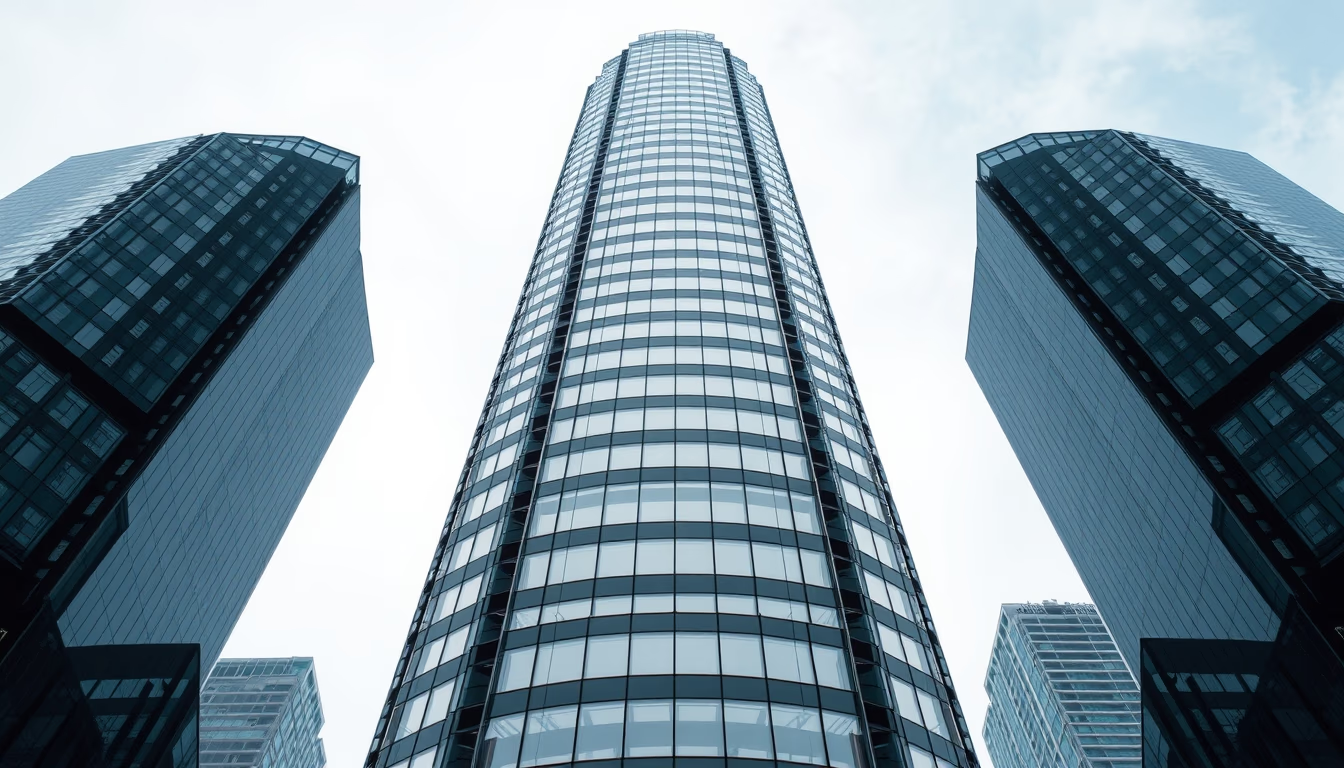
Arranha-céu urbano com fachada de vidro reflete o dinamismo arquitetônico das metrópoles modernas.
Sobre o tema
As fachadas de vidro tornaram-se um símbolo da arquitetura corporativa global a partir do final do século XX, impulsionadas pelo Modernismo e pelo desenvolvimento de tecnologias de vedação e isolamento térmico. Grandes centros financeiros como São Paulo, Nova York, Dubai e Xangai adotaram esse estilo para maximizar a luz natural e transmitir transparência e inovação. O uso extensivo de vidro em arranha-céus, no entanto, apresenta desafios técnicos: o controle da radiação solar, o risco de ofuscamento e a eficiência energética. Para mitigar esses problemas, engenheiros desenvolveram vidros de baixa emissividade (Low-E) e sistemas de fachada dupla, que criam uma câmara de ar entre as camadas, melhorando o isolamento. Além disso, normas como o LEED (Leadership in Energy and Environmental Design) incentivam o uso de vidros com alto desempenho térmico, reduzindo o consumo de ar condicionado. Visualmente, essas fachadas criam um efeito de espelho que reflete o entorno urbano, integrando o edifício à paisagem. A manutenção dessas superfícies exige técnicas especializadas, como limpeza com andaimes suspensos ou drones, especialmente em regiões com alta poluição. No Brasil, edifícios como o Edifício Copan (São Paulo) e o Rio Sul Center (Rio de Janeiro) exemplificam o uso de vidro em grande escala, combinando estética e funcionalidade. A tendência atual busca fachadas cinéticas ou com revestimentos fotovoltaicos, que transformam a superfície em geradora de energia, unindo design sustentável e eficiência.
Perguntas frequentes
Por que arranha-céus usam fachadas de vidro?
As fachadas de vidro são escolhidas por sua estética moderna, capacidade de maximizar a luz natural e transmitir uma imagem de transparência e inovação. Além disso, permitem vistas panorâmicas e podem ser combinadas com sistemas de eficiência energética.
Quais são os desafios de uma fachada de vidro?
Os principais desafios incluem o controle da radiação solar, o risco de ofuscamento, a eficiência energética e a manutenção. Soluções como vidros Low-E e fachadas duplas ajudam a mitigar esses problemas.
Como a manutenção de fachadas de vidro é realizada?
A limpeza é feita com andaimes suspensos, plataformas elevatórias ou drones, especialmente em edifícios altos. Em áreas poluídas, a frequência de limpeza pode ser maior para evitar acúmulo de sujeira.
URL direta
https://pub-c7d6a6ea828543ac903a74a341ccb2e1.r2.dev/imagens/urban-skyscraper-glass-facade-architectural-photography.avifComo creditar
Inclua um link visível de volta pro UtilizAí. Copie um dos snippets abaixo:
<a href="https://xn--utiliza-eza.com/midia/imagens/urban-skyscraper-glass-facade-architectural-photography">Urban skyscraper glass facade</a> by <a href="https://xn--utiliza-eza.com">UtilizAí</a>, licensed under <a href="https://creativecommons.org/licenses/by/4.0/">CC BY 4.0</a>.
[Urban skyscraper glass facade](https://xn--utiliza-eza.com/midia/imagens/urban-skyscraper-glass-facade-architectural-photography) by [UtilizAí](https://xn--utiliza-eza.com), CC BY 4.0
Licença: CC-BY-4.0