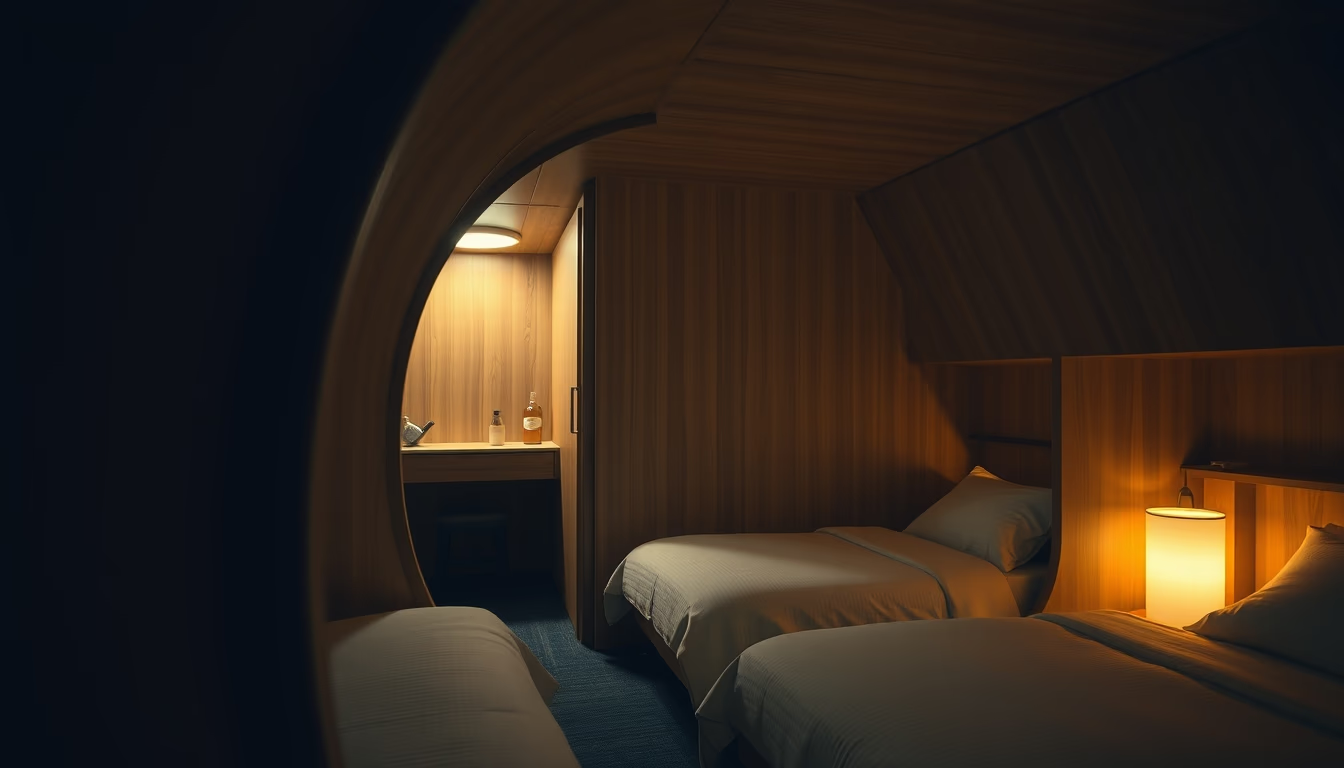
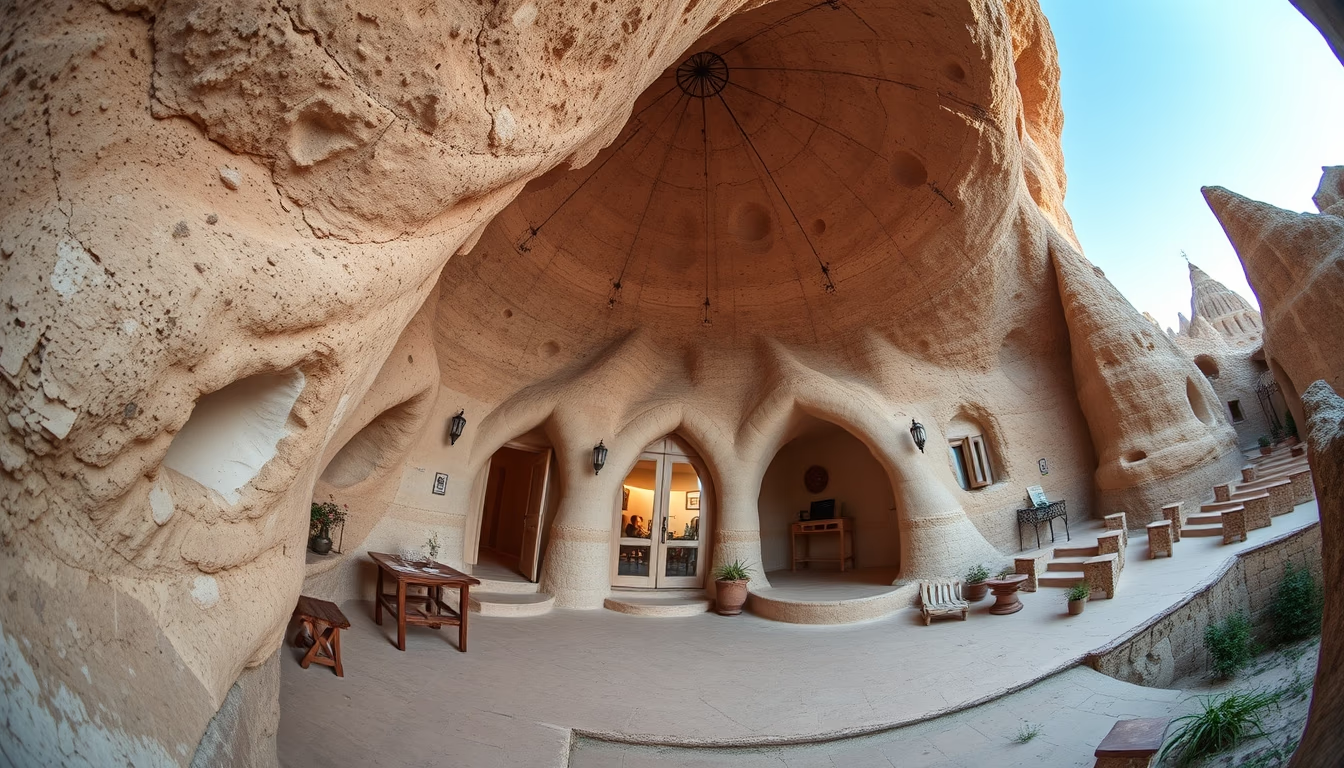
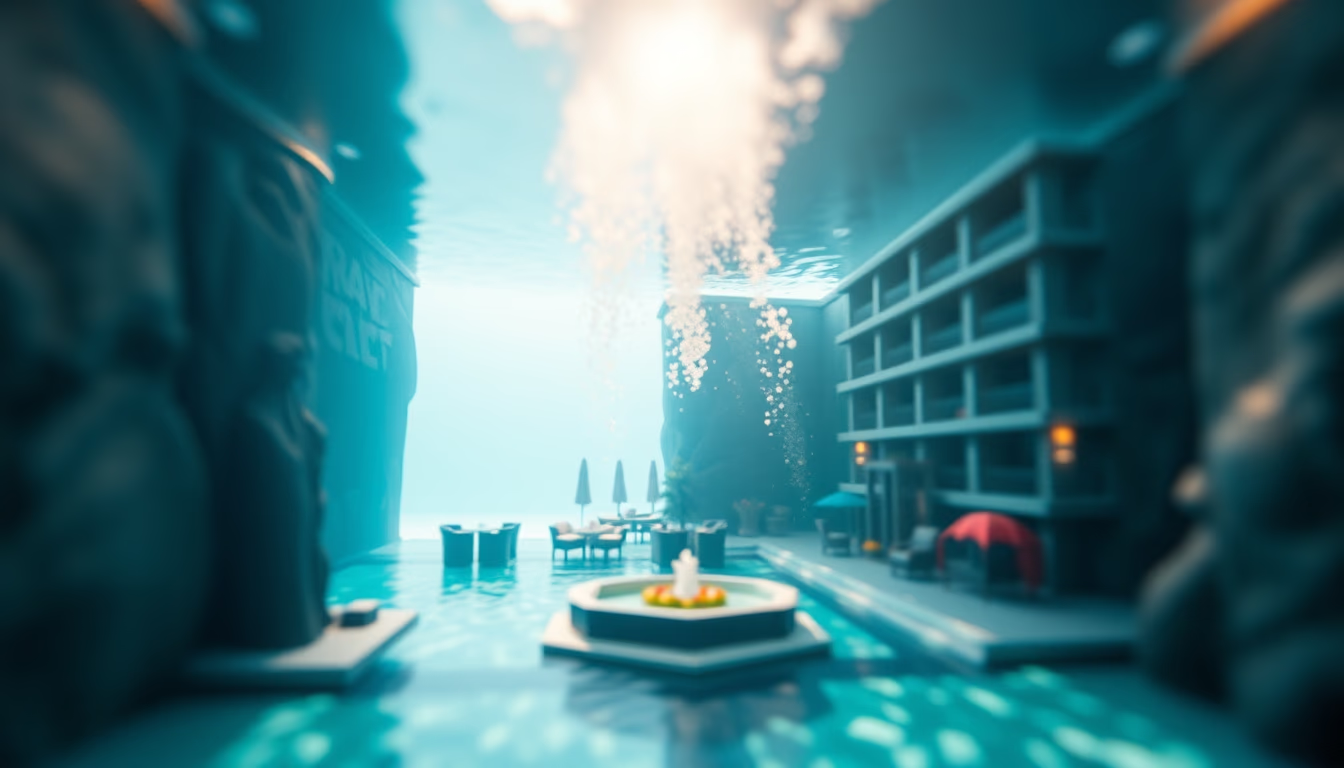
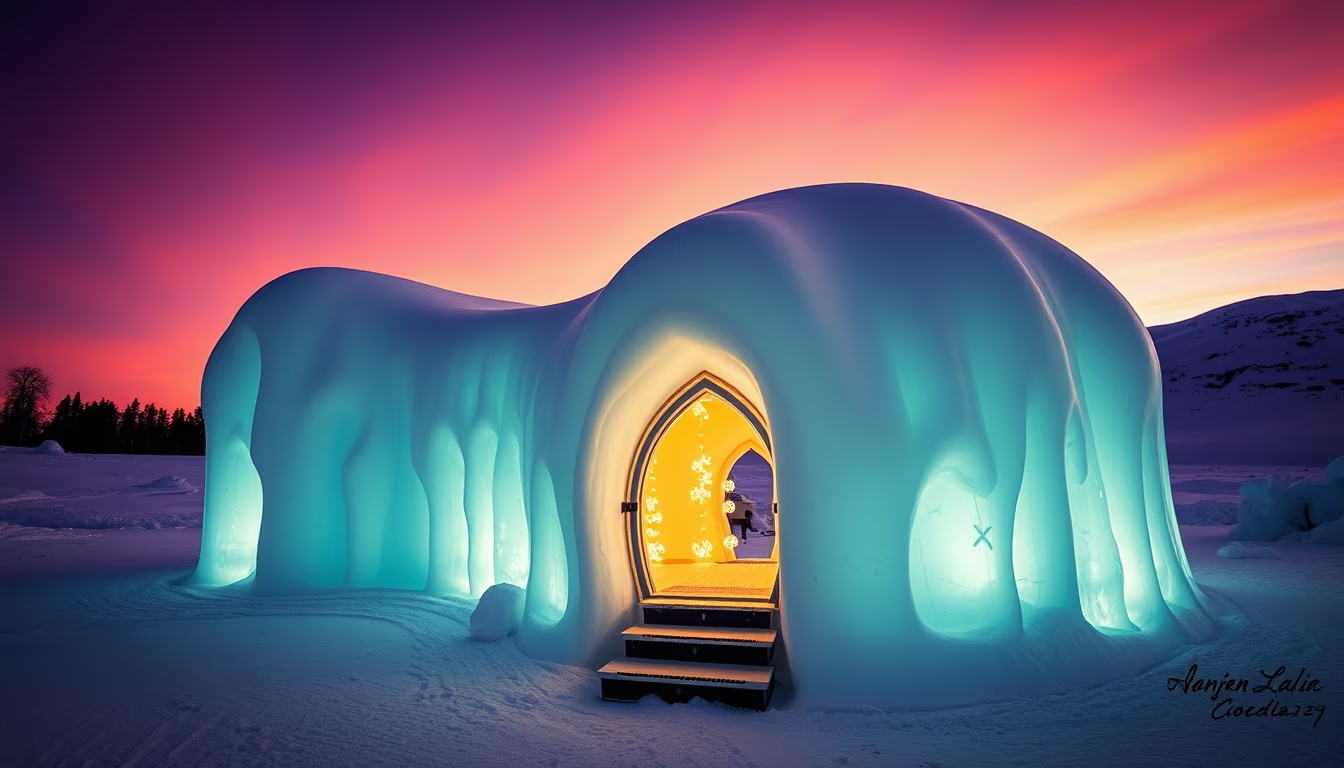
Underwater hotel concept
1344×768 · AVIF · CC BY 4.0
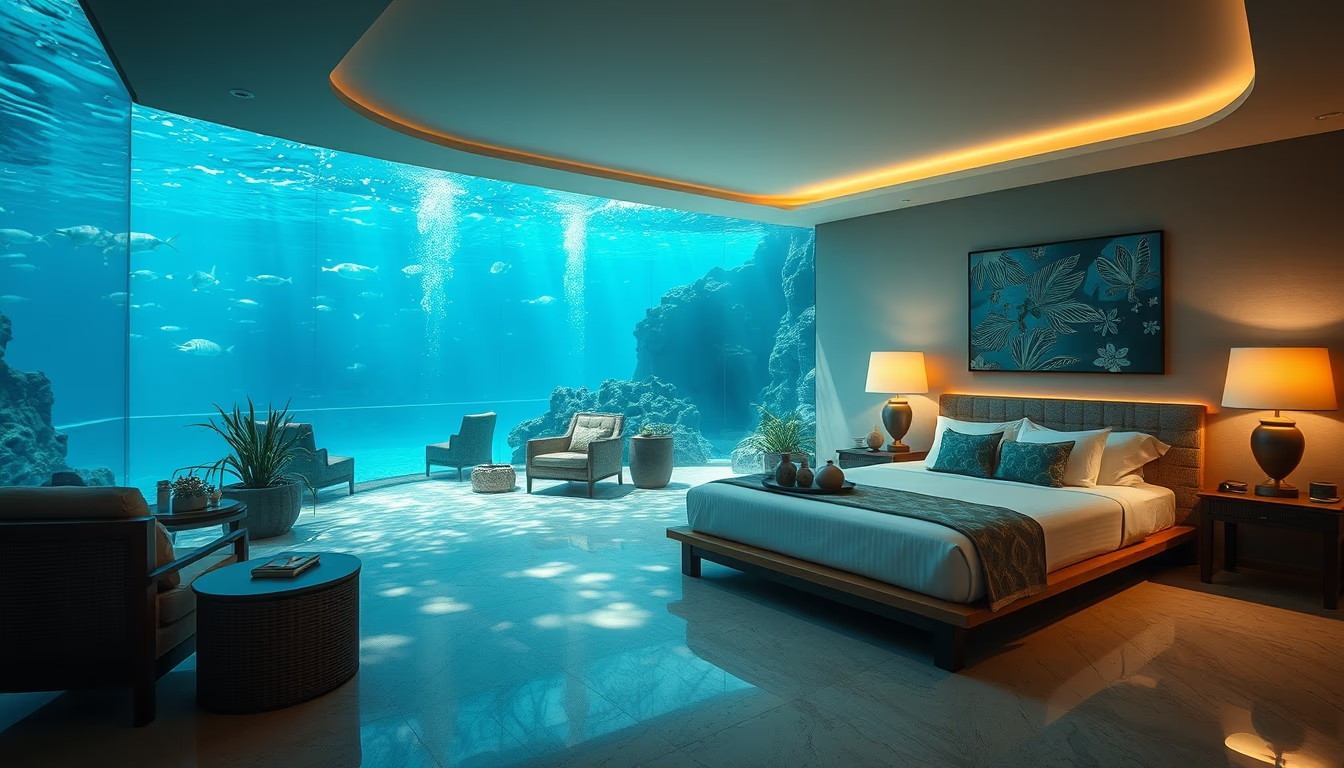
Hotéis subaquáticos combinam luxo e engenharia para oferecer vistas submarinas inesquecíveis, uma tendência que desperta interesse no Brasil.
Sobre o tema
Hotéis subaquáticos são estruturas parcial ou totalmente imersas em corpos d'água, projetadas para proporcionar hospedagem com vista direta para o ecossistema marinho. O conceito, antes restrito à ficção científica, tornou-se realidade com exemplos como o Conrad Maldives Rangali Island, que inaugurou em 2018 a suíte The Muraka, a 5 metros de profundidade. Outro caso emblemático é o Atlantis The Palm, em Dubai, que possui um complexo de suítes subaquáticas com paredes de acrílico. Mais recentemente, o resort InterContinental Shanghai Wonderland, na China, integra um hotel parcialmente submerso em uma antiga pedreira.
A engenharia por trás desses empreendimentos é complexa. Estruturas de concreto e acrílico de alta resistência suportam a pressão da água, enquanto sistemas de filtragem e reciclagem de ar garantem conforto. A localização é crucial: recifes de coral, vida marinha abundante e águas cristalinas são diferenciais. O Brasil, com seu litoral extenso e áreas como Fernando de Noronha e Abrolhos, possui potencial para tais projetos, mas enfrenta desafios ambientais e legais. O licenciamento para construção subaquática exige estudos de impacto ambiental rigorosos, principalmente em regiões de proteção marinha.
O conceito também abrange inovações como hotéis flutuantes com componentes submersos, estruturas modulares e até projetos futuristas de cidades subaquáticas. Empresas como a Deep Ocean Technology desenvolvem projetos que podem ser implantados em diferentes profundidades. O custo ainda é proibitivo para a maioria dos consumidores, mas a demanda por experiências únicas impulsiona investimentos. A tendência é que hotéis subaquáticos se tornem mais acessíveis à medida que a tecnologia avança, com materiais mais leves e eficiência energética.
Curiosamente, o primeiro restaurante subaquático do mundo localiza-se na Noruega, o Under, que também serve como centro de pesquisa marinha. Essa integração entre turismo e ciência pode ser um modelo para o futuro. No Brasil, projetos conceituais já foram apresentados para o litoral de Alagoas e Bahia, mas nenhum saiu do papel. Fatores como burocracia, custos e sazonalidade do turismo ainda limitam a viabilidade. Ainda assim, a ideia de dormir rodeado por cardumes e corais continua a fascinar viajantes e arquitetos.
Perguntas frequentes
Existem hotéis subaquáticos no Brasil?
Atualmente não há hotéis subaquáticos em operação no Brasil. Existem projetos conceituais para regiões como Fernando de Noronha e o litoral da Bahia, mas nenhum foi construído devido a desafios ambientais, legais e financeiros.
Como são construídos hotéis subaquáticos?
Geralmente são construídos em módulos em terra firme e depois transportados e submersos no local. Utilizam concreto de alta resistência e painéis de acrílico espesso para suportar a pressão da água. Sistemas de suporte à vida, como reciclagem de ar e tratamento de água, são essenciais.
Quais são os maiores desafios para construir um hotel subaquático?
Os principais desafios incluem a engenharia para resistir à pressão da água, a manutenção da estrutura contra corrosão e incrustações marinhas, o licenciamento ambiental rigoroso e o alto custo de construção e operação, que torna as diárias muito caras.
URL direta
https://pub-c7d6a6ea828543ac903a74a341ccb2e1.r2.dev/imagens/underwater-hotel-concept-studio-still-life-fresh13.avifComo creditar
Inclua um link visível de volta pro UtilizAí. Copie um dos snippets abaixo:
<a href="https://xn--utiliza-eza.com/midia/imagens/underwater-hotel-concept-studio-still-life-fresh13">Underwater hotel concept</a> by <a href="https://xn--utiliza-eza.com">UtilizAí</a>, licensed under <a href="https://creativecommons.org/licenses/by/4.0/">CC BY 4.0</a>.
[Underwater hotel concept](https://xn--utiliza-eza.com/midia/imagens/underwater-hotel-concept-studio-still-life-fresh13) by [UtilizAí](https://xn--utiliza-eza.com), CC BY 4.0
Licença: CC-BY-4.0