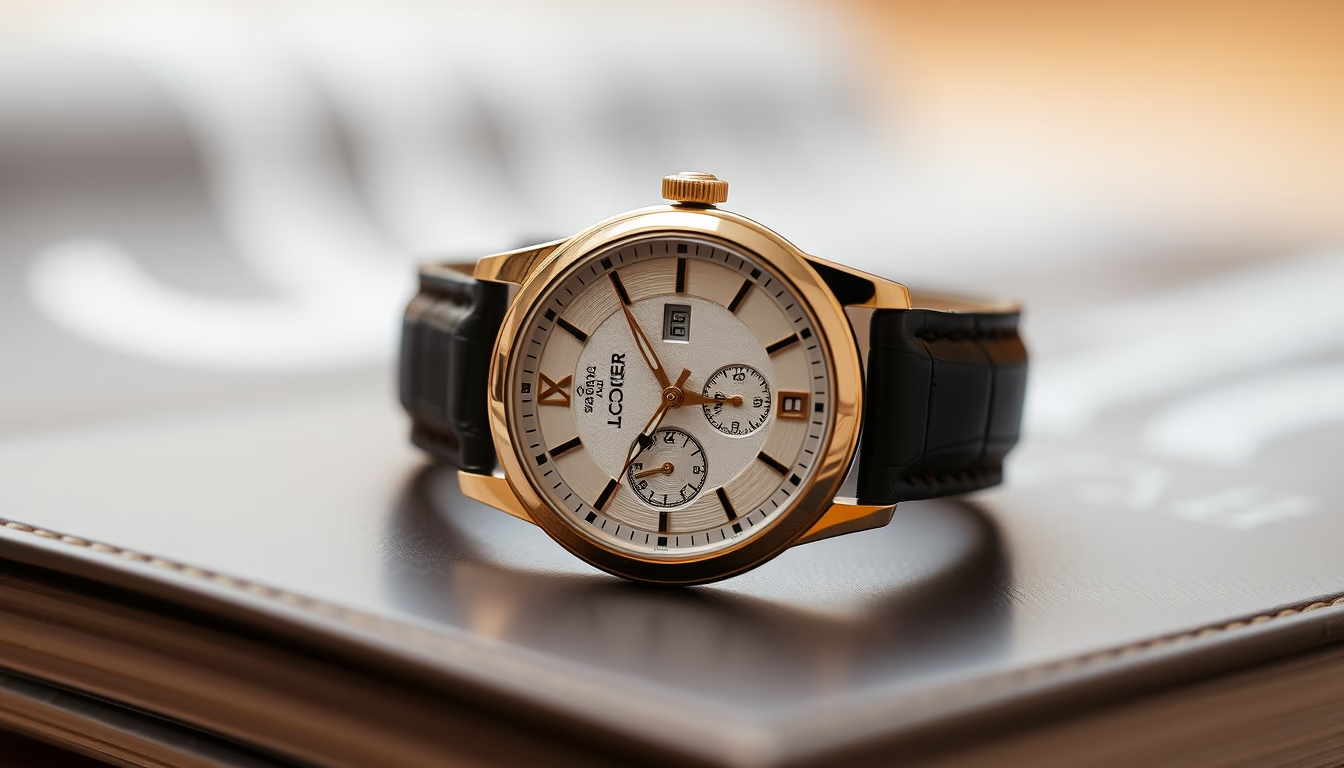
Tourbillon watch detail
1344×768 · AVIF · CC BY 4.0
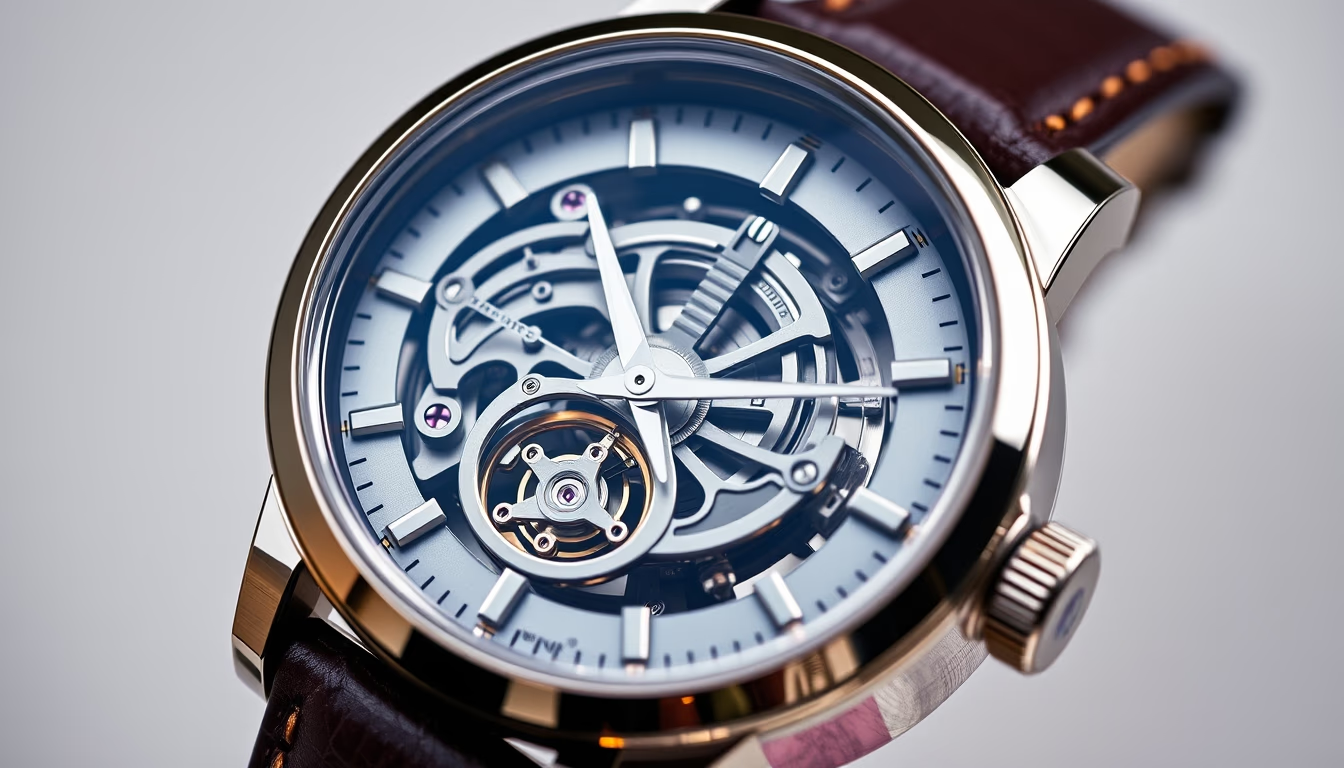
The tourbillon is a high-end watchmaking mechanism that compensates for gravity effects, invented by Abraham-Louis Breguet in 1795.
About this subject
The tourbillon is one of the most iconic complications in luxury watchmaking. Invented by Swiss master watchmaker Abraham-Louis Breguet in 1795 and patented in 1801, the mechanism was designed to improve the accuracy of pocket watches, which were then worn vertically and affected by gravity. The tourbillon consists of a rotating cage that houses the escapement and balance wheel, revolving on its own axis, typically completing one rotation per minute. This continuous motion averages out gravitational effects, resulting in greater precision.
Although modern wristwatches are less affected by gravity due to more accurate movements, the tourbillon remains a symbol of technical excellence and craftsmanship. Its complexity requires months of handwork and hundreds of tiny parts, driving costs to hundreds of thousands of dollars. Brands such as Patek Philippe, Audemars Piguet, and Breguet are renowned for their tourbillons, often displayed through open dials or sapphire crystal casebacks.
Interestingly, Breguet's original tourbillon was key-wound and featured a polished steel cage. Today, modern versions use titanium, silicon, and other lightweight materials to reduce inertia. The term 'tourbillon' comes from French meaning 'whirlwind', describing the rotating motion of the mechanism. Beyond its technical function, the tourbillon is a visual spectacle that fascinates collectors and enthusiasts alike.
Frequently Asked Questions
How does a tourbillon work?
A tourbillon is a rotating cage that houses the escapement and balance wheel. By continuously rotating (typically once per minute), it averages out the effects of gravity in different positions, improving accuracy.
How much does a tourbillon watch cost?
Tourbillon watches are extremely expensive, with prices starting at tens of thousands of dollars. Luxury models from brands like Patek Philippe or Audemars Piguet can exceed US$500,000, depending on materials and additional complications.
Who invented the tourbillon?
The tourbillon was invented by Swiss watchmaker Abraham-Louis Breguet in 1795 and patented in 1801. He aimed to neutralize gravity effects in pocket watches, which were common at the time.
Direct URL
https://pub-c7d6a6ea828543ac903a74a341ccb2e1.r2.dev/imagens/tourbillon-watch-detail-studio-editorial-portrait-fresh8.avifHow to credit
Include a visible link back to UtilizAí. Copy one of the snippets below:
<a href="https://xn--utiliza-eza.com/en/midia/imagens/tourbillon-watch-detail-studio-editorial-portrait-fresh8">Tourbillon watch detail</a> by <a href="https://xn--utiliza-eza.com">UtilizAí</a>, licensed under <a href="https://creativecommons.org/licenses/by/4.0/">CC BY 4.0</a>.
[Tourbillon watch detail](https://xn--utiliza-eza.com/en/midia/imagens/tourbillon-watch-detail-studio-editorial-portrait-fresh8) by [UtilizAí](https://xn--utiliza-eza.com), CC BY 4.0
License: CC-BY-4.0