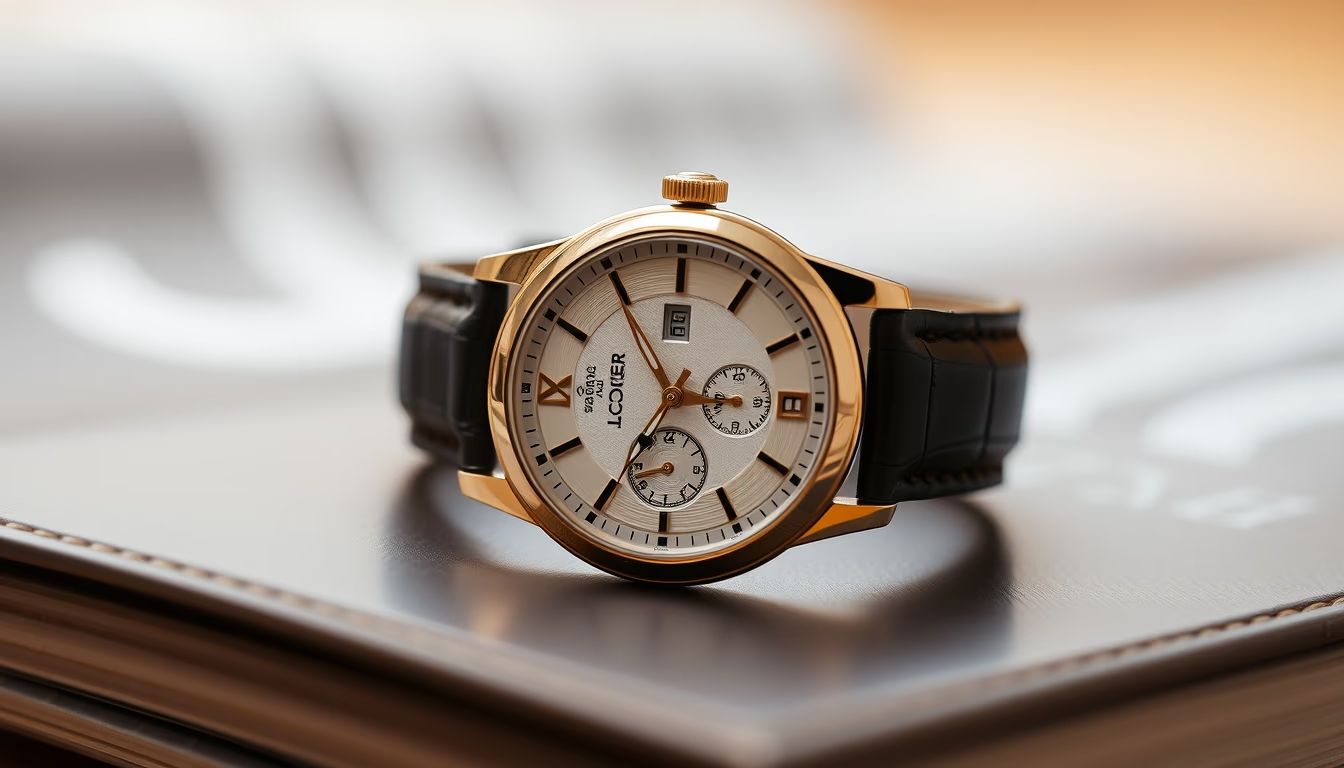
Tourbillon watch detail
1344×768 · AVIF · CC BY 4.0
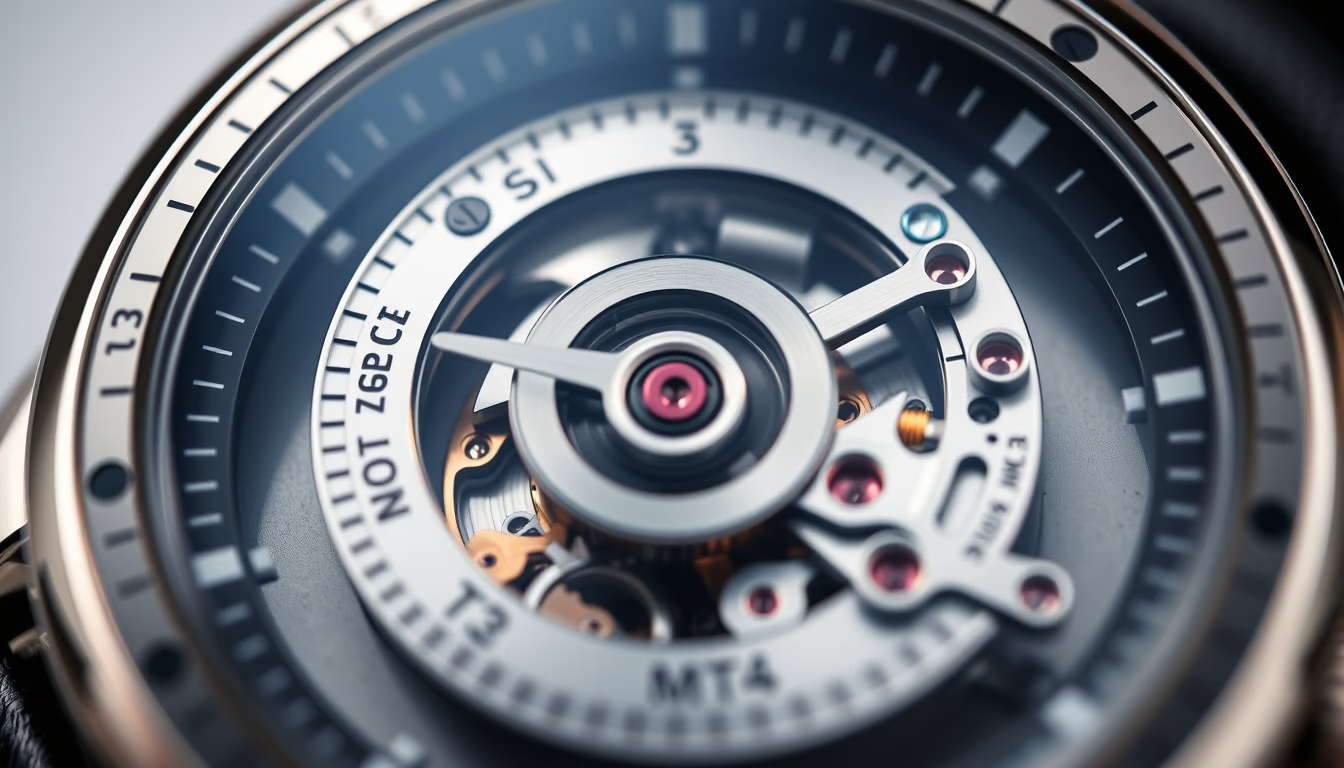
O tourbillon é um mecanismo de relojoaria de alta precisão que compensa os efeitos da gravidade no oscilador, criado por Abraham-Louis Breguet em 1795.
Sobre o tema
O tourbillon é uma das complicações mais emblemáticas da alta relojoaria. Foi inventado pelo relojoeiro suíço Abraham-Louis Breguet em 1795 e patenteado em 1801. Seu objetivo original era melhorar a precisão dos relógios de bolso ao neutralizar os efeitos da gravidade sobre o balanço e o espiral, já que esses relógios ficavam frequentemente na posição vertical. O mecanismo consiste em uma gaiola giratória que abriga o escape e o balanço, completando uma rotação por minuto (na maioria dos casos). Essa rotação distribui as variações de marcha causadas pela gravidade, resultando em maior exatidão.
Atualmente, com os avanços em materiais e lubrificação, o benefício prático do tourbillon em relógios de pulso é debatido, mas ele continua sendo um símbolo de habilidade artesanal e engenharia de precisão. Muitos fabricantes de luxo, como Patek Philippe, Audemars Piguet e Jaeger-LeCoultre, produzem relógios com tourbillon, frequentemente exibindo-os através de mostradores abertos ou fundos de safira para destacar a complexidade do movimento. Existem variações como o tourbillon voador (sem ponte superior) e o tourbillon múltiplo (com mais de uma gaiola).
A fabricação de um tourbillon exige extremo cuidado: as peças são minúsculas e devem ser montadas com tolerâncias da ordem de micrômetros. A gaiola geralmente pesa menos de um grama e contém de 50 a 80 componentes. Relógios com tourbillon estão entre os mais caros do mundo, com preços que podem ultrapassar milhões de dólares. Apesar disso, marcas mais acessíveis como a Seiko também produziram modelos com tourbillon, demonstrando que a tecnologia pode ser democratizada.
Perguntas frequentes
Qual a função do tourbillon em um relógio?
O tourbillon compensa os efeitos da gravidade no oscilador do relógio, melhorando a precisão ao distribuir as variações de marcha causadas pela posição vertical. Ele é especialmente útil em relógios de bolso, mas em relógios de pulso seu benefício prático é menor.
Quem inventou o tourbillon e quando?
O tourbillon foi inventado pelo relojoeiro suíço Abraham-Louis Breguet em 1795 e patenteado em 1801.
Por que os relógios com tourbillon são tão caros?
O tourbillon exige fabricação extremamente precisa de peças minúsculas, montagem artesanal e tempo de produção elevado. Além disso, é uma complicação rara e de prestígio, o que eleva seu valor no mercado de luxo.
URL direta
https://pub-c7d6a6ea828543ac903a74a341ccb2e1.r2.dev/imagens/tourbillon-watch-detail-macro-closeup-fresh10.avifComo creditar
Inclua um link visível de volta pro UtilizAí. Copie um dos snippets abaixo:
<a href="https://xn--utiliza-eza.com/midia/imagens/tourbillon-watch-detail-macro-closeup-fresh10">Tourbillon watch detail</a> by <a href="https://xn--utiliza-eza.com">UtilizAí</a>, licensed under <a href="https://creativecommons.org/licenses/by/4.0/">CC BY 4.0</a>.
[Tourbillon watch detail](https://xn--utiliza-eza.com/midia/imagens/tourbillon-watch-detail-macro-closeup-fresh10) by [UtilizAí](https://xn--utiliza-eza.com), CC BY 4.0
Licença: CC-BY-4.0