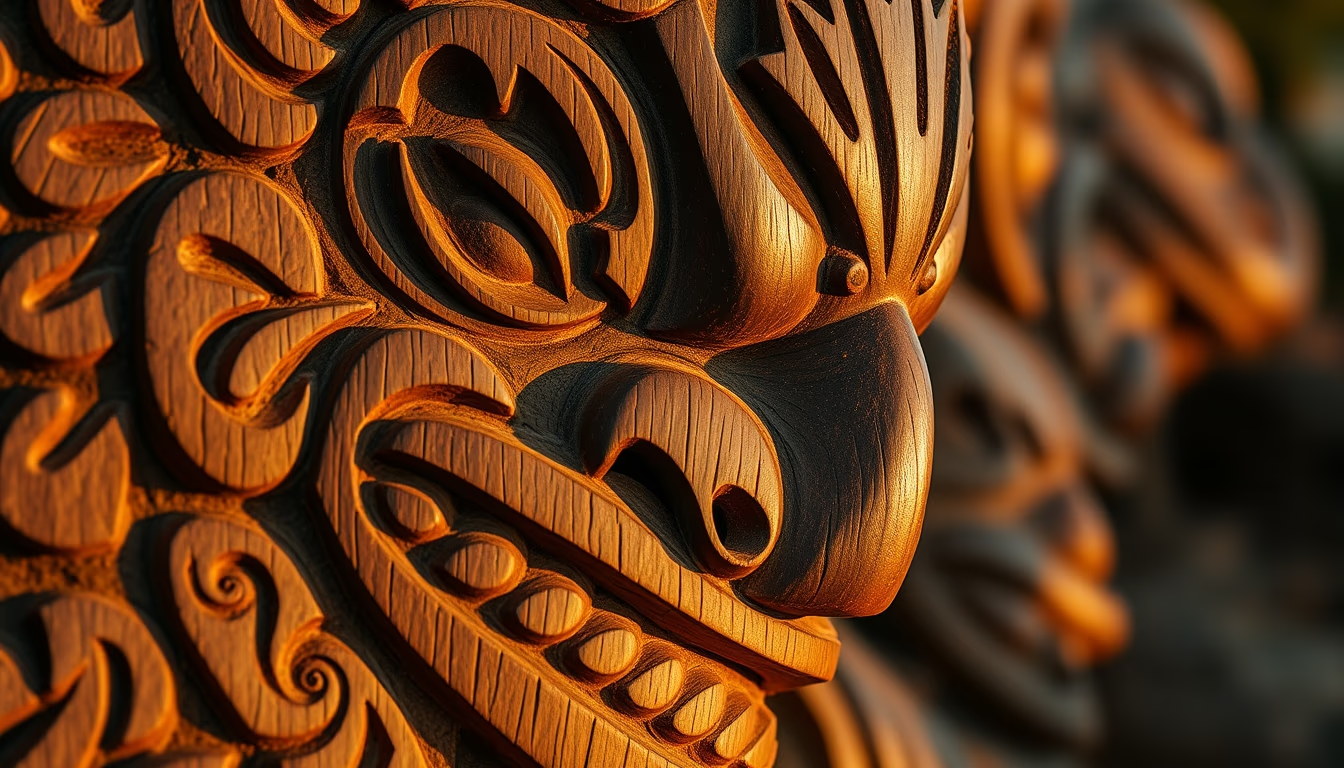
Totem pole pacific northwest
1344×768 · AVIF · CC BY 4.0
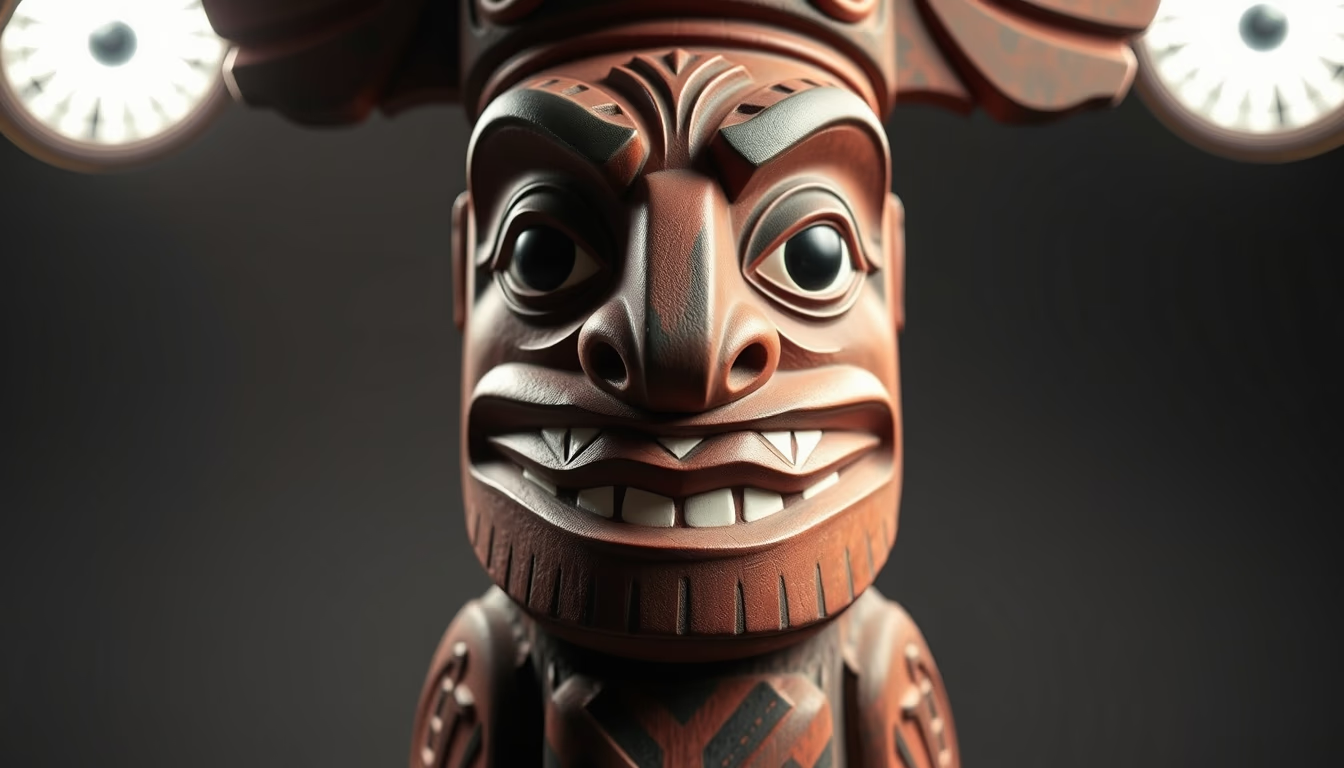
Totem pole from the Pacific Northwest, a monumental carving by Indigenous peoples such as the Haida, Tlingit, and Kwakwaka'wakw, bearing clan symbols and ancestral stories.
About this subject
Totem poles are monumental carvings created by Indigenous peoples of the Pacific Northwest Coast, including the Haida, Tlingit, Kwakwaka'wakw, and Nuu-chah-nulth. Unlike religious objects, these carved poles serve as genealogical records, historical narratives, and markers of social status. Each animal or human figure represents a clan, important event, or family lineage, communicating the identity of the group that erected it.
Traditionally made from western red cedar, totem poles are carved using stone and animal tooth tools. The process involves rituals and orally transmitted knowledge. Common figures include the eagle, raven, wolf, bear, and whale, each with specific meanings such as power, wisdom, or protection. The colors used, black, red, and blue-green, are derived from natural pigments.
Historically, totem poles were erected during potlatch ceremonies, which celebrated events like weddings, births, or house construction. During the colonial period, the Canadian government and missionaries banned the potlatch between 1885 and 1951, leading to a decline in the practice. Many poles were removed or destroyed. However, a cultural revival began in the 20th century, with the resurgence of ancestral techniques and the creation of new poles in communities and museums.
Today, totem poles are living symbols of Indigenous resilience and identity. They can be found in parks, cultural centers, and museums worldwide, such as the Museum of Anthropology at UBC in Vancouver and Stanley Park. They continue to be produced by contemporary artists who keep the tradition alive, adapting it to modern times without losing its original meaning.
Frequently Asked Questions
What do the animals on a totem pole symbolize?
Each animal represents specific qualities such as power, wisdom, or protection, and is often associated with a clan or family lineage. For example, the eagle symbolizes power and vision, while the raven is seen as a trickster and creator.
What is the difference between a totem pole and a memorial pole?
Totem pole is a general term for carved poles with figures. There are specific types: memorial poles, house posts, shame poles, and mortuary poles, each with distinct functions within the culture.
Where can I see original totem poles?
Museums like the Museum of Anthropology at UBC in Vancouver, the Royal BC Museum in Victoria, and Sitka National Historical Park in Alaska hold significant collections. Indigenous communities also maintain poles on their lands.
Direct URL
https://pub-c7d6a6ea828543ac903a74a341ccb2e1.r2.dev/imagens/totem-pole-pacific-northwest-studio-editorial-portrait-fresh1.avifHow to credit
Include a visible link back to UtilizAí. Copy one of the snippets below:
<a href="https://xn--utiliza-eza.com/en/midia/imagens/totem-pole-pacific-northwest-studio-editorial-portrait-fresh1">Totem pole pacific northwest</a> by <a href="https://xn--utiliza-eza.com">UtilizAí</a>, licensed under <a href="https://creativecommons.org/licenses/by/4.0/">CC BY 4.0</a>.
[Totem pole pacific northwest](https://xn--utiliza-eza.com/en/midia/imagens/totem-pole-pacific-northwest-studio-editorial-portrait-fresh1) by [UtilizAí](https://xn--utiliza-eza.com), CC BY 4.0
License: CC-BY-4.0