Torah scroll silver casing
1344×768 · AVIF · CC BY 4.0
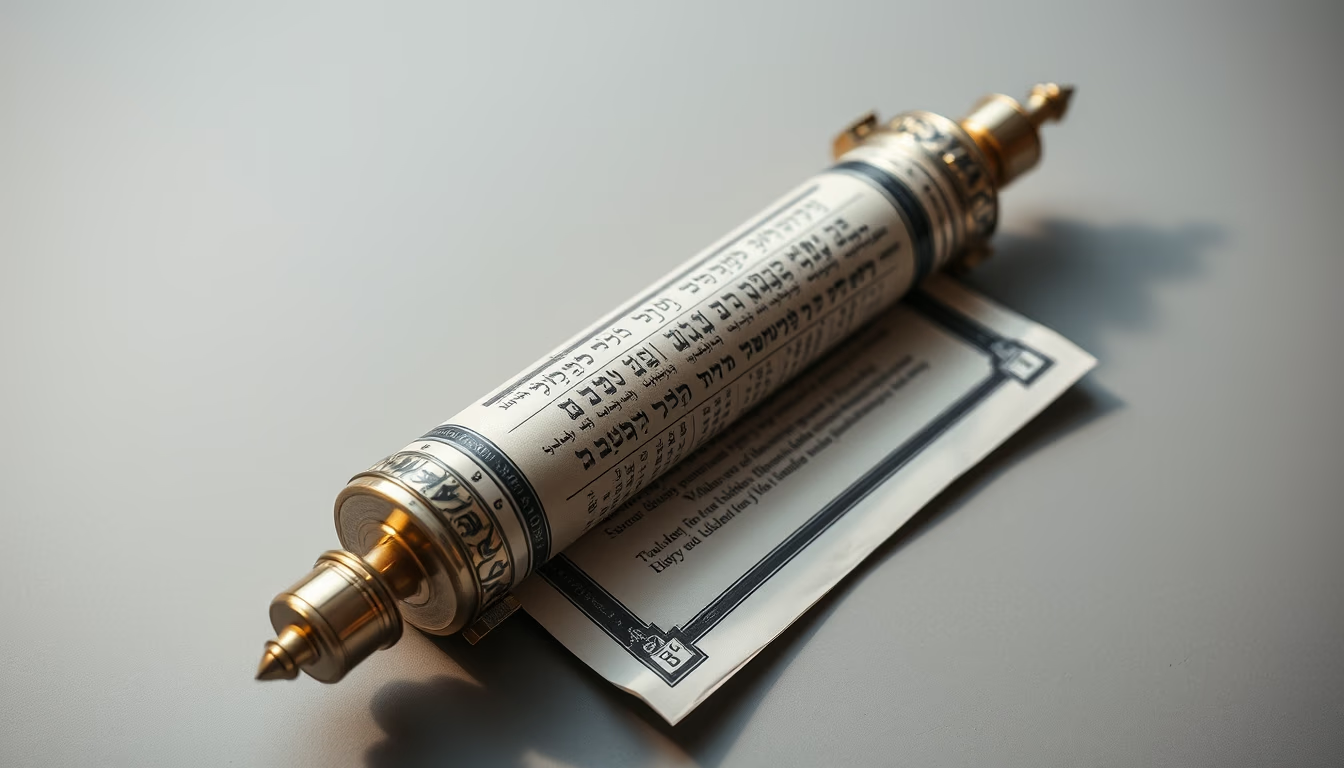
O estojo de prata para rolo da Torá, conhecido como 'tik' ou 'manto', é um objeto ritual judaico que protege e adorna o pergaminho sagrado nas sinagogas.
Sobre o tema
O estojo de prata para o rolo da Torá é um elemento central na liturgia judaica. Tradicionalmente, a Torá é escrita em pergaminho e enrolada em duas hastes de madeira, os 'etz chayim' (árvores da vida). Para proteger o pergaminho e embelezar o ritual, as comunidades judaicas desenvolveram estojos ornamentados. Os mais comuns são o manto de tecido (usado por judeus asquenazitas) e o estojo rígido de metal ou madeira (tik), típico das comunidades sefarditas e orientais. O estojo de prata, frequentemente ricamente trabalhado, reflete a herança e a devoção da comunidade. Esses estojos podem ser decorados com símbolos como a Estrela de Davi, as Tábuas da Lei, leões de Judá e coroas, que representam a realeza de Deus. A prata é um material comum por sua durabilidade e beleza, e muitas peças são feitas por ourives especializados, passando de geração em geração. Durante as festas, o estojo é retirado da Arca Sagrada (Aron haKodesh) e exibido à congregação. A confecção desses objetos é considerada uma mitzvá (mandamento) e uma forma de honrar a Torá. Além de sua função protetora, o estojo de prata é uma expressão artística da cultura judaica e pode ser encontrado em museus e coleções ao redor do mundo, como no Museu de Israel em Jerusalém.
Perguntas frequentes
Por que o estojo da Torá é feito de prata?
A prata é um material nobre e durável, tradicionalmente usado para objetos rituais judaicos. Ela simboliza pureza e reverência, além de permitir um trabalho artesanal refinado. Muitas comunidades doam estojos de prata como forma de homenagem ou em memória de entes queridos.
Qual a diferença entre o manto e o estojo rígido da Torá?
O manto (em hebraico, 'me'il') é uma cobertura de tecido que envolve o rolo, comum entre judeus asquenazitas. O estojo rígido (tik) é uma caixa de metal ou madeira que abriga o pergaminho, típico das comunidades sefarditas e orientais. Ambos protegem a Torá, mas diferem na forma e na tradição cultural.
Onde posso ver exemplos históricos de estojos de prata para a Torá?
Museus como o Museu de Israel em Jerusalém, o Museu Judaico de Berlim e o Museu de Arte Judaica de Paris possuem coleções significativas. Também é comum encontrar peças em sinagogas históricas e em exposições temporárias de arte judaica.
URL direta
https://pub-c7d6a6ea828543ac903a74a341ccb2e1.r2.dev/imagens/torah-scroll-silver-casing-magazine-editorial-fresh13.avifComo creditar
Inclua um link visível de volta pro UtilizAí. Copie um dos snippets abaixo:
<a href="https://xn--utiliza-eza.com/midia/imagens/torah-scroll-silver-casing-magazine-editorial-fresh13">Torah scroll silver casing</a> by <a href="https://xn--utiliza-eza.com">UtilizAí</a>, licensed under <a href="https://creativecommons.org/licenses/by/4.0/">CC BY 4.0</a>.
[Torah scroll silver casing](https://xn--utiliza-eza.com/midia/imagens/torah-scroll-silver-casing-magazine-editorial-fresh13) by [UtilizAí](https://xn--utiliza-eza.com), CC BY 4.0
Licença: CC-BY-4.0