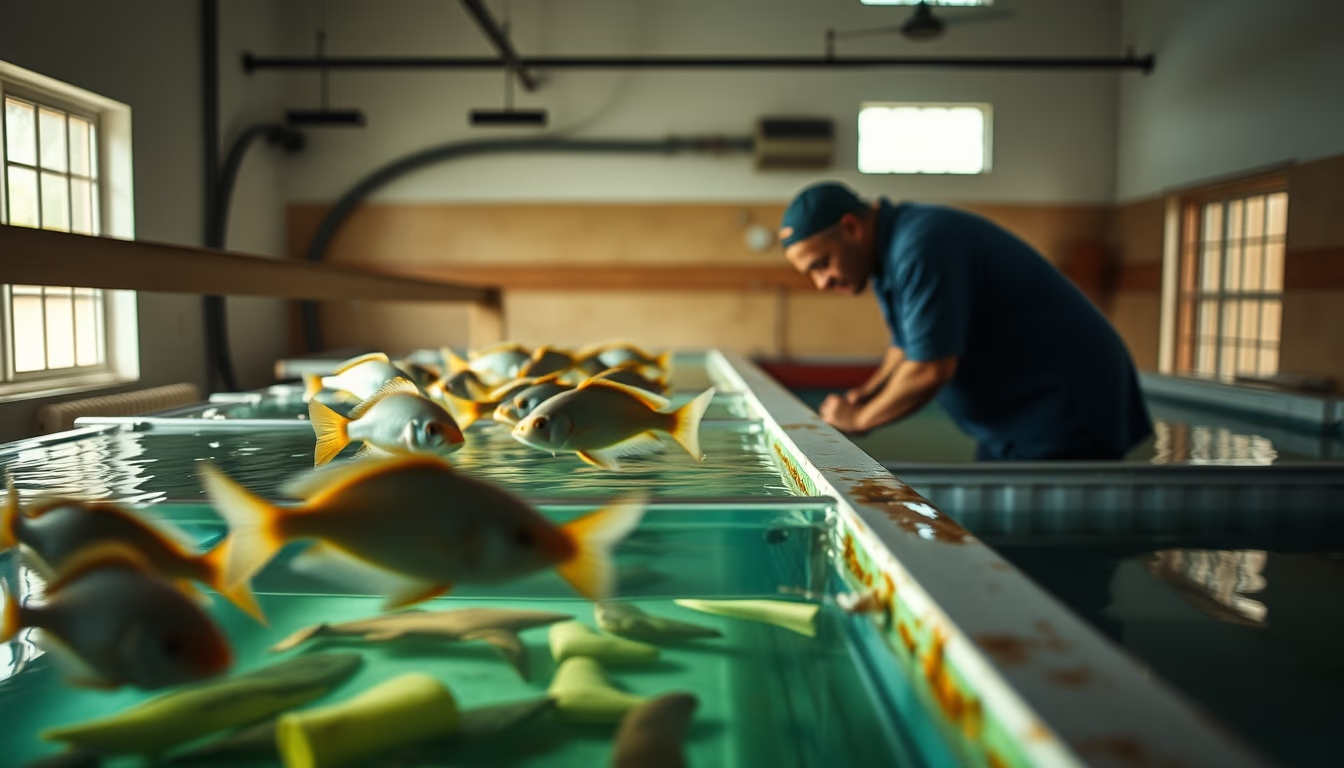
Tilapia tanks indoor
1344×768 · AVIF · CC BY 4.0
Indoor tilapia tanks: how controlled environment aquaculture revolutionizes fish production in Brazil.
About this subject
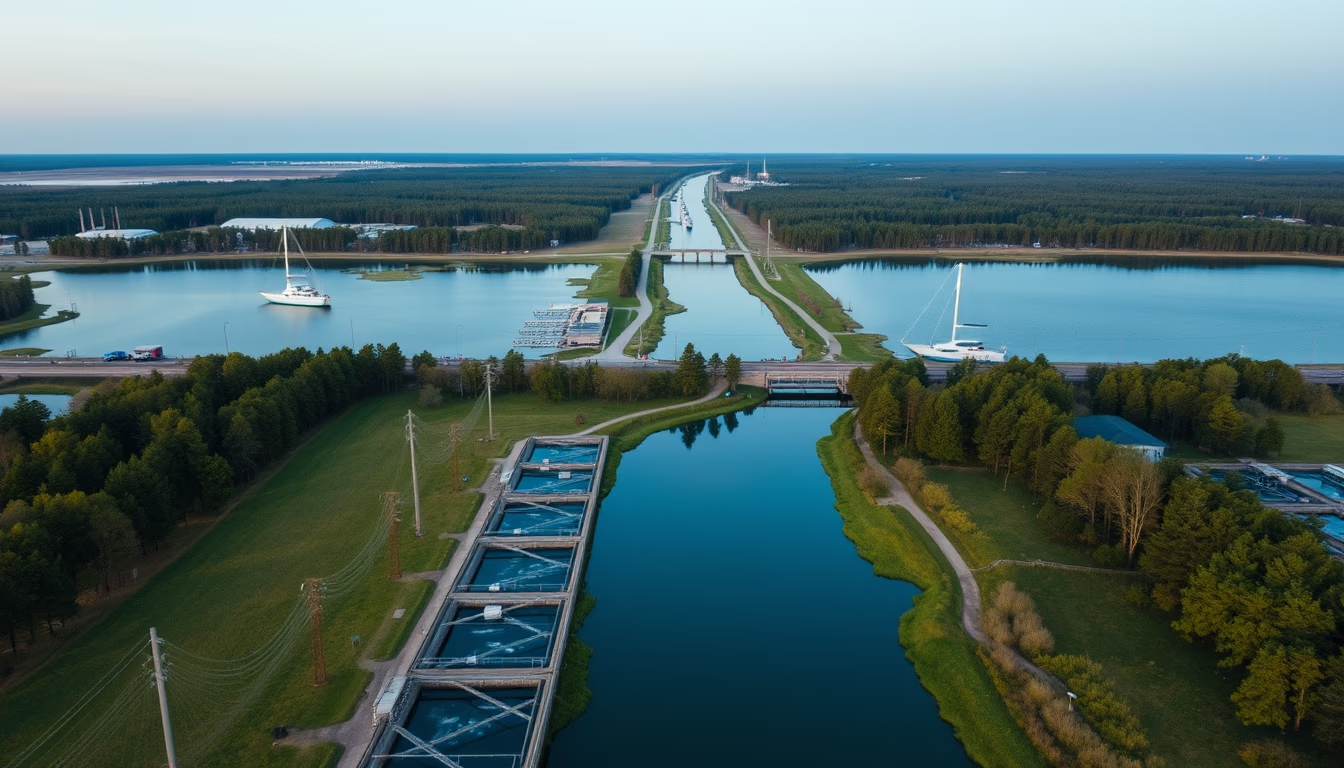
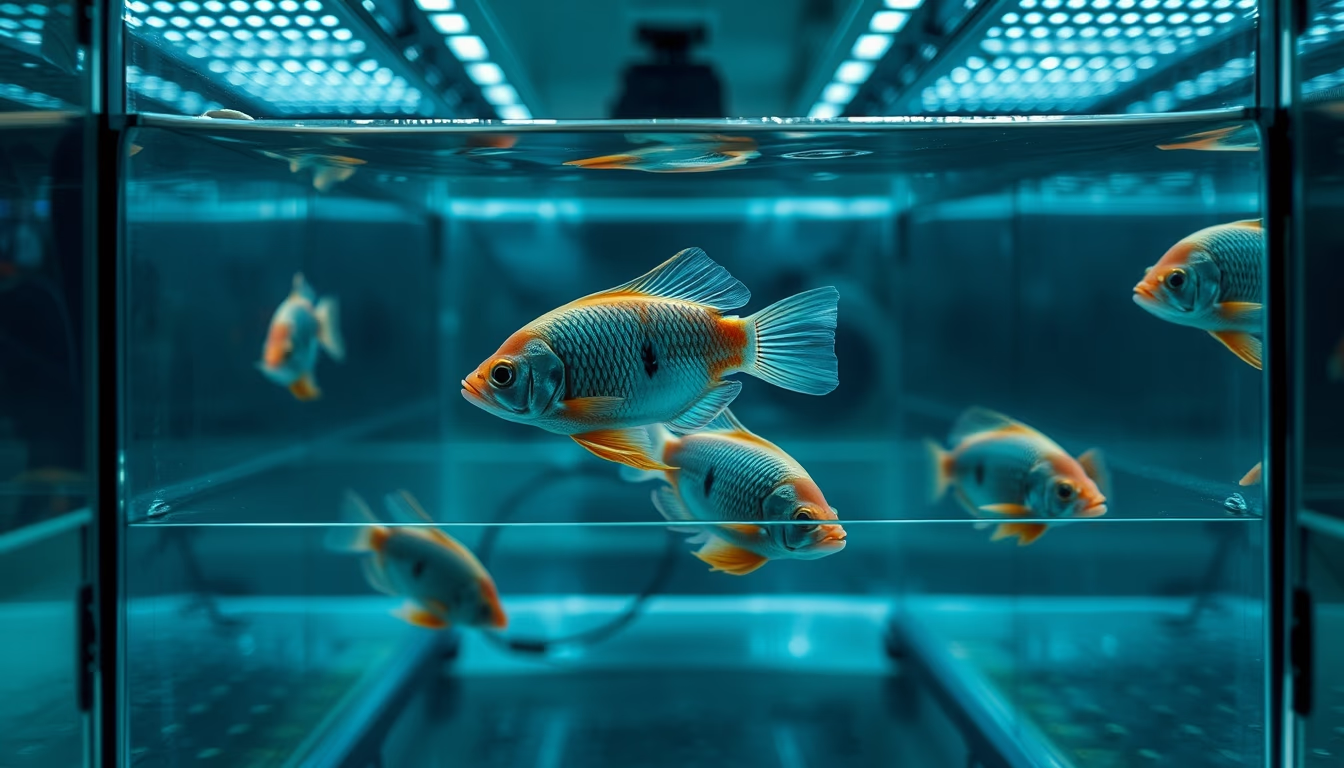
Tilapia is one of the most farmed fish worldwide, and in Brazil it leads national fish farming. Indoor tanks, also known as recirculating aquaculture systems (RAS), allow tilapia to be raised in fully controlled environments, regardless of climate or water availability. In these systems, water is filtered, reoxygenated, and reused, reducing water consumption by up to 90% compared to traditional earthen ponds.
Indoor production offers significant advantages: higher stocking density, lower disease incidence, and the ability to operate near consumer centers. Brazil is the fourth largest producer of tilapia globally, with highlights in states like São Paulo, Paraná, and Bahia. The Nile tilapia (Oreochromis niloticus) is the most cultivated species, valued for its fast growth and mild white flesh.
Fun facts: tilapia are warm-water fish, ideal for Brazil's tropical climate. In indoor systems, water temperature is kept between 26°C and 30°C to optimize growth. Additionally, tilapia are omnivorous, feeding on balanced feed, and can reach harvest weight (about 800 grams) in just 8 to 10 months. Technologies like bioflocs (BFT) are increasingly used in indoor tanks to maintain water quality.
The expansion of indoor tilapia farming in Brazil reflects the pursuit of sustainability and food security. Integrated projects with solar energy and waste reuse are making these systems even more efficient. Despite the high initial investment, the return is quick due to high productivity and the added value of controlled-environment fish.
Frequently Asked Questions
What are the main advantages of indoor tilapia tanks?
Advantages include water savings (up to 90% less than traditional ponds), better health control, year-round production, higher fish density per cubic meter, and the ability to be located near consumer markets.
How does a recirculating aquaculture system for tilapia work?
Water from the tanks goes through mechanical and biological filters (where bacteria convert ammonia to nitrate), is oxygenated, and returns to the tanks. Losses from evaporation and cleaning are replenished with fresh water.
Is tilapia farmed in indoor systems sustainable?
Yes, with proper energy and feed management. Indoor systems can use solar energy and recycle waste as fertilizer, making production more sustainable than wild fishing.
Direct URL
https://pub-c7d6a6ea828543ac903a74a341ccb2e1.r2.dev/imagens/tilapia-tanks-indoor-studio-still-life-fresh12.avifHow to credit
Include a visible link back to UtilizAí. Copy one of the snippets below:
<a href="https://xn--utiliza-eza.com/en/midia/imagens/tilapia-tanks-indoor-studio-still-life-fresh12">Tilapia tanks indoor</a> by <a href="https://xn--utiliza-eza.com">UtilizAí</a>, licensed under <a href="https://creativecommons.org/licenses/by/4.0/">CC BY 4.0</a>.
[Tilapia tanks indoor](https://xn--utiliza-eza.com/en/midia/imagens/tilapia-tanks-indoor-studio-still-life-fresh12) by [UtilizAí](https://xn--utiliza-eza.com), CC BY 4.0
License: CC-BY-4.0