Tea bricks china
1344×768 · AVIF · CC BY 4.0
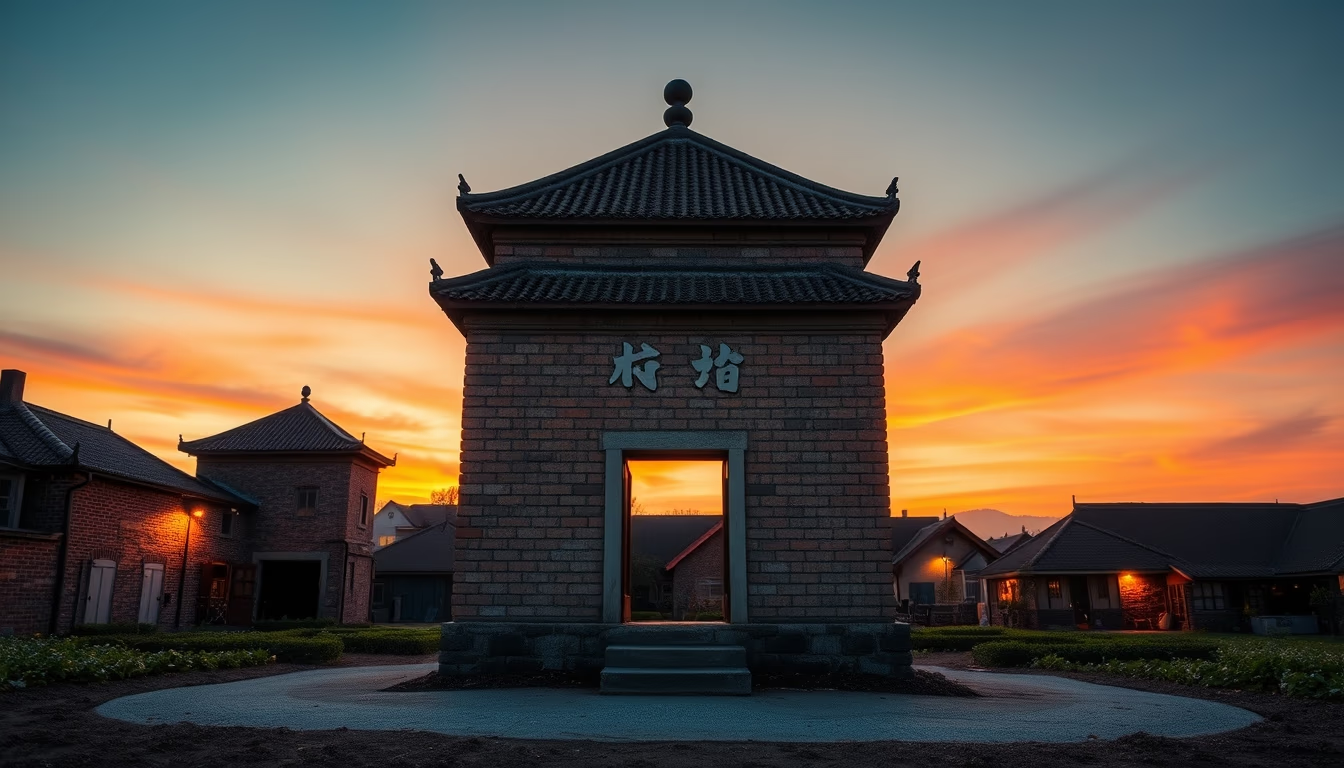
Chinese tea bricks, a traditional form of compressed tea for transport and trade, circulated as currency along the Tea Horse Road.
About this subject
Chinese tea bricks (cha bing) are compacted blocks of tea leaves originating from China, dating back to the Tang dynasty (618-907 AD). During this period, tea was pressed for easy transport along vast trade routes, especially the Tea Horse Road linking southwest China to Tibet and Central Asia. Compression not only reduced volume but also preserved the tea for years, allowing its use as a currency for barter. The bricks varied in size and shape, from small disks to large rectangular blocks, and could be made from green, black, or post-fermented tea (such as pu-erh).
Tea brick production involves steaming the leaves, pressing them into molds, and drying them in the sun or in ovens. Often, the leaves were aged before or after pressing, developing complex, earthy flavors. In Tibet, tea bricks were essential for making butter tea, a calorie-rich, energizing beverage. During the Ming dynasty (1368-1644), loose tea became more popular, but bricks continued to be produced for export and ceremonial use.
Today, Chinese tea bricks are valued by collectors and tea enthusiasts, especially aged pu-erh. They can fetch high prices at auctions. The pressing technique is also used for other teas, such as Yunnan black tea and white tea. Modern production maintains traditional methods but with machinery for pressing and humidity control. Bricks are often wrapped in rice paper or bamboo leaves for protection.
A curious fact: in the 1990s, ancient tea bricks were discovered in dynastic tombs, some over 500 years old, still in drinkable condition. This demonstrates the exceptional durability of compressed tea. Today, the tea brick is a cultural symbol of Chinese heritage and an export item to global markets.
Frequently Asked Questions
How were tea bricks used as currency?
Along the trade routes of Central Asia and Tibet, tea bricks were accepted as payment due to their durability, standardized weight, and intrinsic value as food and stimulant. They could be exchanged for horses, furs, and other goods.
What is the difference between tea bricks and regular tea?
Tea bricks are compressed into blocks, altering the oxidation and aging process, resulting in more earthy and complex flavors. Additionally, their shelf life is much longer, and they can be stored for decades without losing quality.
Are tea bricks still produced today?
Yes, especially pu-erh teas from Yunnan, which are pressed and aged. Many artisanal producers and modern factories continue to manufacture tea bricks for domestic consumption and export.
Direct URL
https://pub-c7d6a6ea828543ac903a74a341ccb2e1.r2.dev/imagens/tea-bricks-china-long-exposure-fresh1.avifHow to credit
Include a visible link back to UtilizAí. Copy one of the snippets below:
<a href="https://xn--utiliza-eza.com/en/midia/imagens/tea-bricks-china-long-exposure-fresh1">Tea bricks china</a> by <a href="https://xn--utiliza-eza.com">UtilizAí</a>, licensed under <a href="https://creativecommons.org/licenses/by/4.0/">CC BY 4.0</a>.
[Tea bricks china](https://xn--utiliza-eza.com/en/midia/imagens/tea-bricks-china-long-exposure-fresh1) by [UtilizAí](https://xn--utiliza-eza.com), CC BY 4.0
License: CC-BY-4.0