Taj mahal symmetric reflection
1344×768 · AVIF · CC BY 4.0
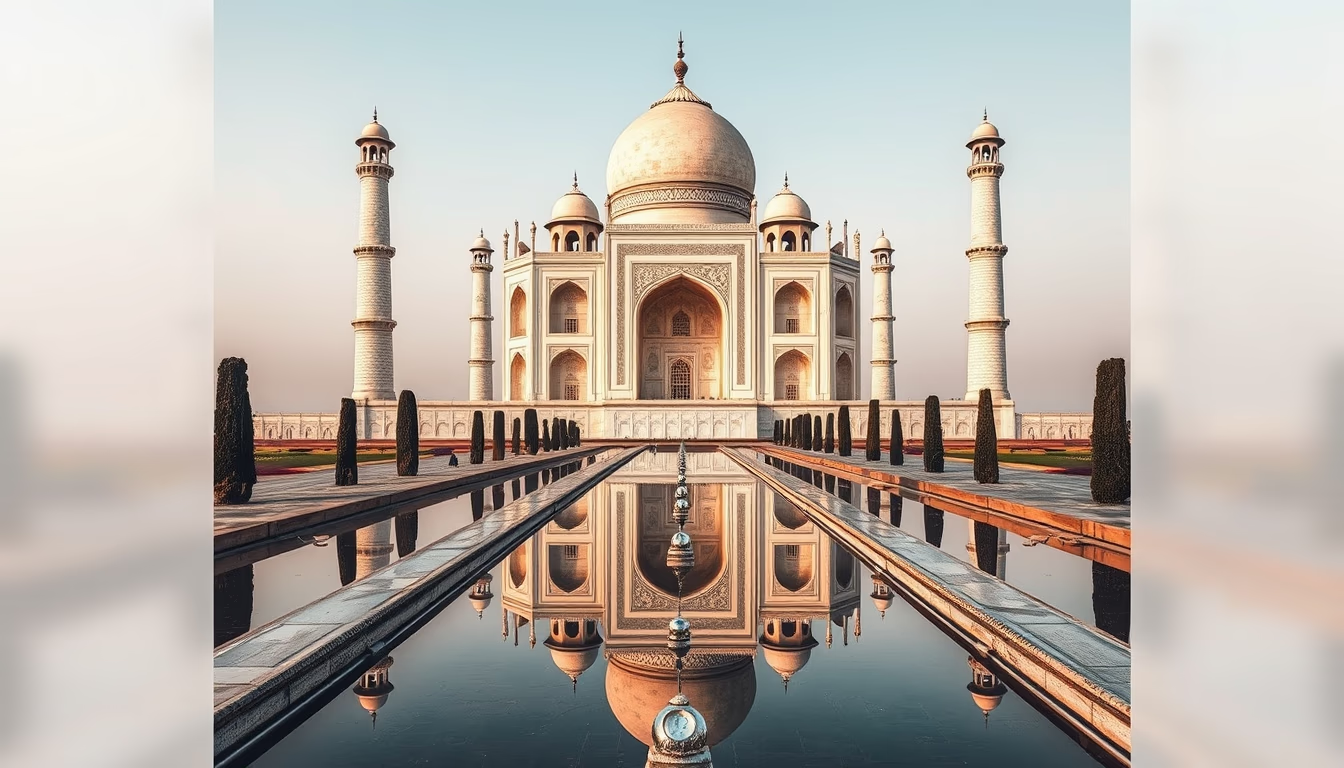
The Taj Mahal in Agra, India, is a white marble mausoleum renowned for its perfect symmetry and reflection in the garden's water channel.
About this subject
The Taj Mahal was commissioned by the Mughal emperor Shah Jahan in 1632 to house the tomb of his wife Mumtaz Mahal, completed in 1653. It is a masterpiece of Mughal architecture and a UNESCO World Heritage site, celebrated for its axial symmetry. The main structure, with its massive onion dome, is flanked by four minarets slightly tilted outward as a structural safeguard against earthquakes. The Chahar Bagh garden, divided by water channels, represents the Islamic concept of paradise. The central water channel perfectly reflects the Taj Mahal, particularly at dawn and dusk when soft light enhances the white marble.
Symmetry in the Taj Mahal is both visual and symbolic, reflecting divine order and spiritual harmony. The building is adorned with pietra dura inlay using semi-precious stones in geometric and floral patterns. The central dome rises 35 meters, topped by a gold finial. Interestingly, the four minarets, each 40 meters tall, appear slightly more inclined when viewed from the base, an optical illusion that strengthens symmetry.
The reflection pool is one of the most photographed aspects of the monument. The channel, about 300 meters long, aligns with the Yamuna River behind. During seasonal floods, water levels rise and the reflection becomes even sharper. The marble changes color throughout the day: pinkish at sunrise, milky white at noon, and golden under moonlight, a phenomenon that has fascinated visitors for centuries.
Conservation of the Taj Mahal faces major challenges, notably air pollution in Agra, which yellows the marble. The Indian government has implemented measures such as restricting vehicle proximity and using traditional mud packs (multani mitti) for cleaning. Despite these threats, the complex's symmetry remains stunning, and the reflection in the water channel continues to symbolize the eternal beauty Shah Jahan intended for his beloved.
Frequently Asked Questions
Why is the Taj Mahal so symmetrical?
The symmetry of the Taj Mahal reflects the Mughal pursuit of divine harmony. The entire complex is aligned along a central axis, with the mausoleum at the center, flanked by identical minarets and mirrored gardens, creating perfect visual balance.
What is the significance of the reflection pool in the Taj Mahal garden?
The central water channel of the Chahar Bagh garden not only mirrors the monument but also symbolizes the rivers of paradise in the Quran. It is aligned with the Yamuna River and provides a mirrored image that enhances the symmetry and beauty of the Taj Mahal.
How does the Taj Mahal change color throughout the day?
The white marble of the Taj Mahal reacts to sunlight, shifting hues: soft pink at dawn, milky white during the day, and golden under moonlight. This phenomenon is due to the texture and purity of the Makrana marble, which reflects different wavelengths of light.
Direct URL
https://pub-c7d6a6ea828543ac903a74a341ccb2e1.r2.dev/imagens/taj-mahal-symmetric-reflection-magazine-editorial-p7.avifHow to credit
Include a visible link back to UtilizAí. Copy one of the snippets below:
<a href="https://xn--utiliza-eza.com/en/midia/imagens/taj-mahal-symmetric-reflection-magazine-editorial-p7">Taj mahal symmetric reflection</a> by <a href="https://xn--utiliza-eza.com">UtilizAí</a>, licensed under <a href="https://creativecommons.org/licenses/by/4.0/">CC BY 4.0</a>.
[Taj mahal symmetric reflection](https://xn--utiliza-eza.com/en/midia/imagens/taj-mahal-symmetric-reflection-magazine-editorial-p7) by [UtilizAí](https://xn--utiliza-eza.com), CC BY 4.0
License: CC-BY-4.0