Submarine surfacing ocean
1344×768 · AVIF · CC BY 4.0
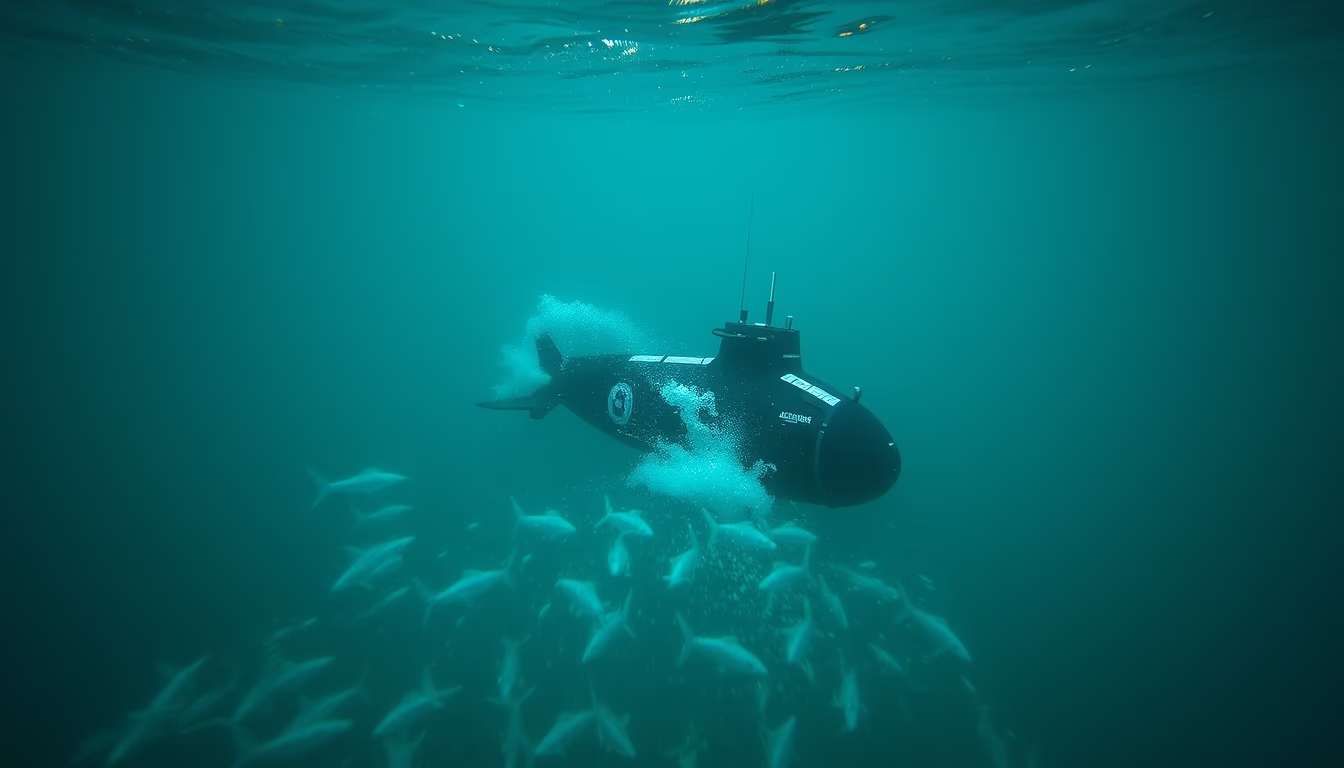
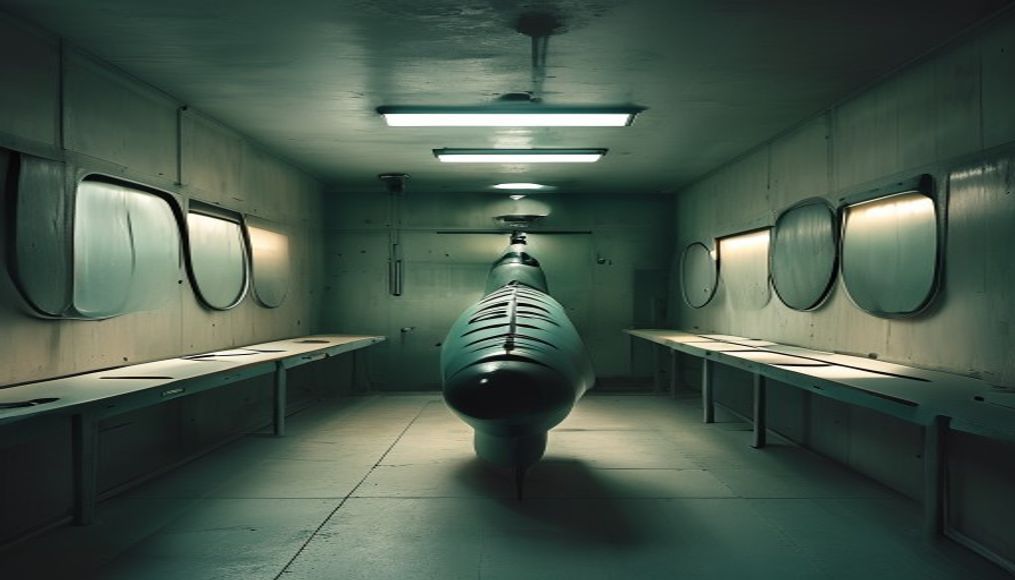
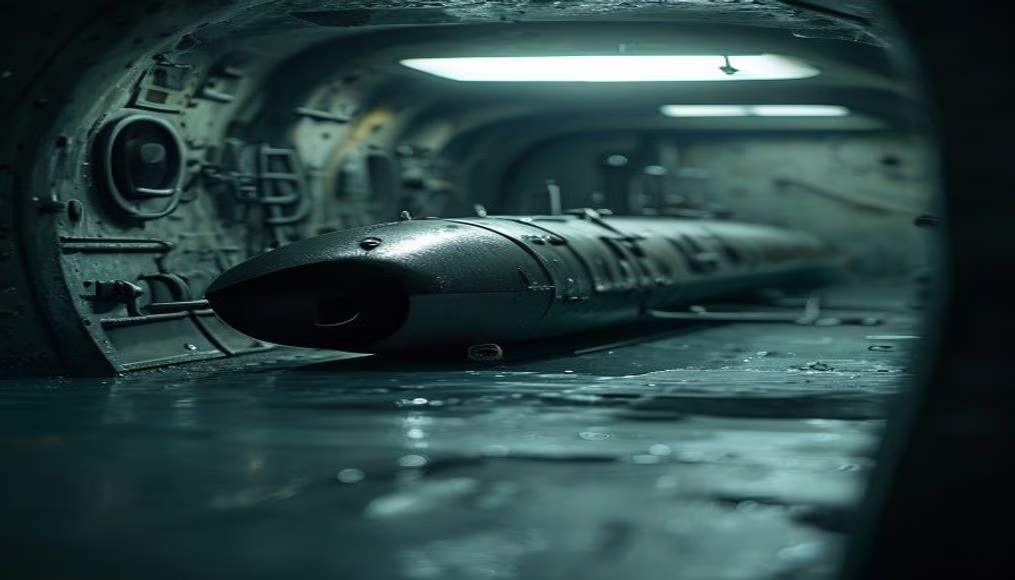
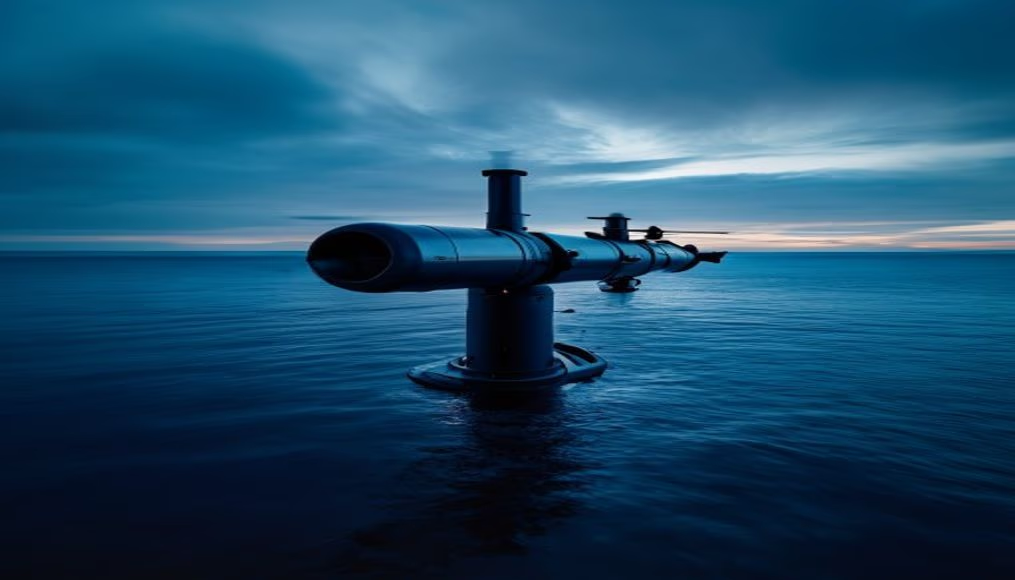
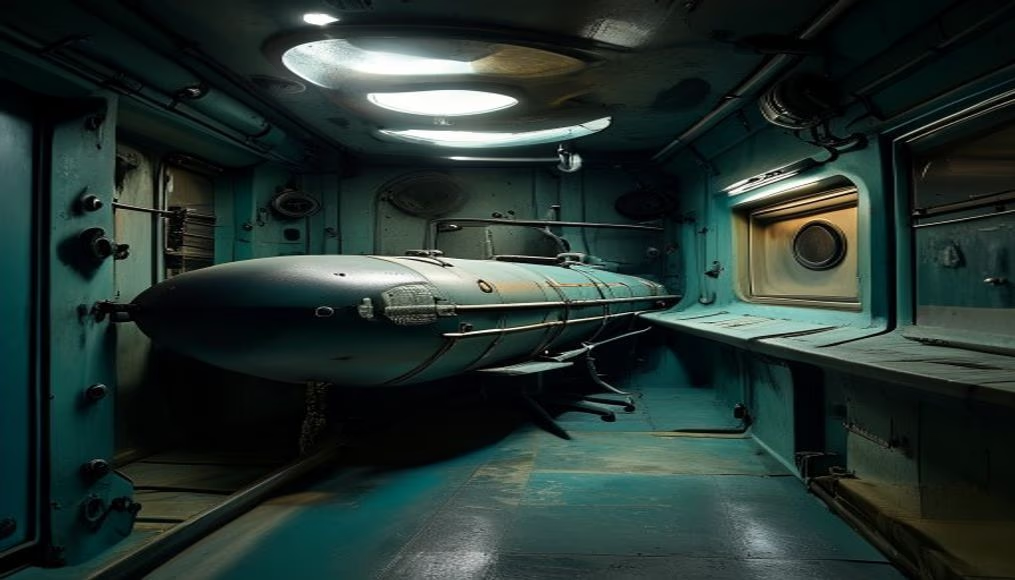
A submarine surfaces from the ocean depths in a controlled maneuver, combining naval engineering and underwater navigation.
About this subject
Submarines are vessels designed to operate underwater, capable of surfacing through ballast systems that control buoyancy. The ascent involves flooding or blowing ballast tanks with compressed air to expel water, making the craft less dense than the surrounding water. This maneuver, called "emergency surfacing" or simply "surfacing," is carefully planned to avoid collisions and ensure crew safety. On the surface, the submarine can communicate via radio, recharge batteries (in conventional models), or conduct surveillance missions.
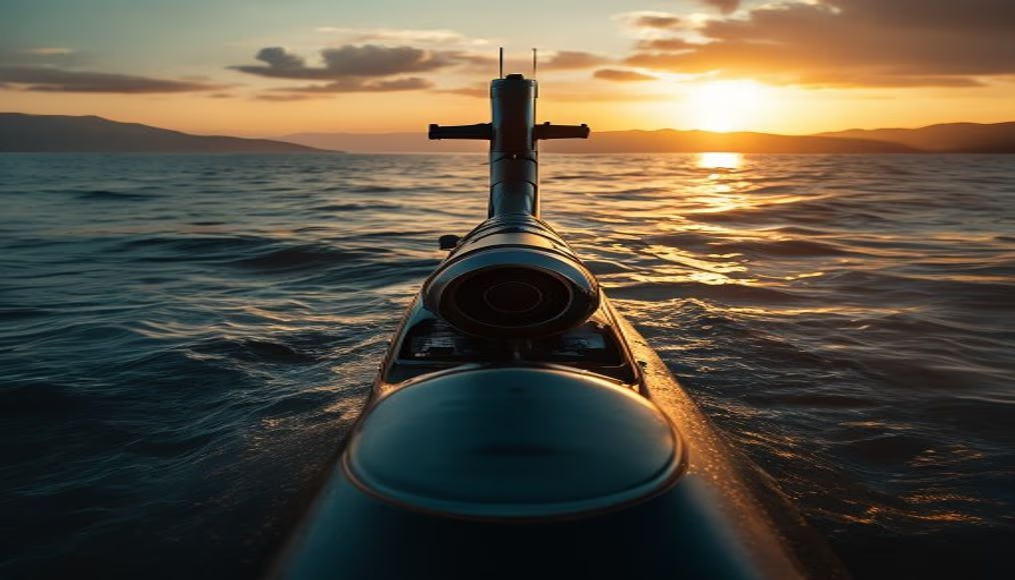
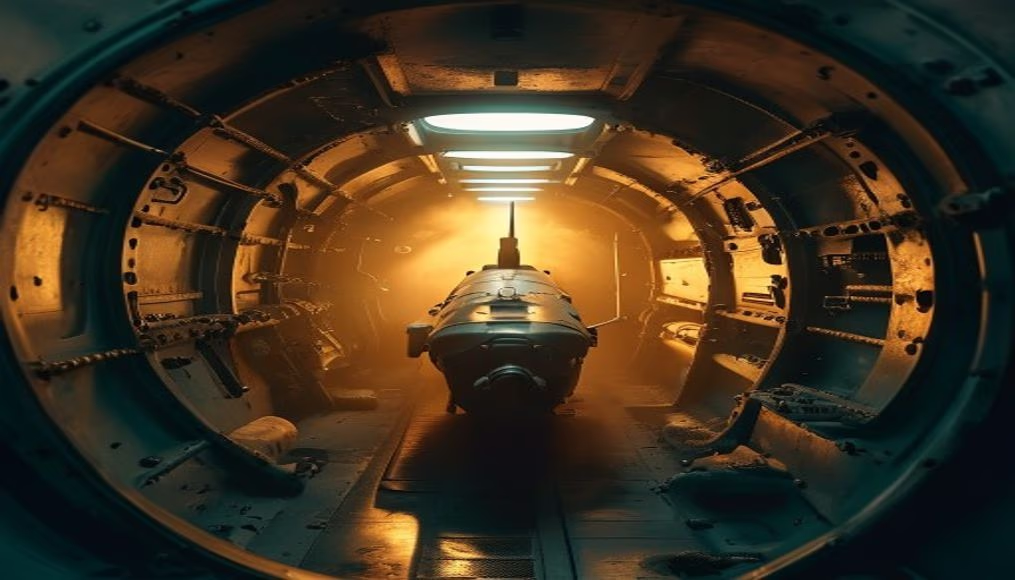
Historically, military submarine development accelerated during World War I with German U-boats and evolved into modern nuclear-powered submarines that can stay submerged for months. The submarine in the image, styled in National Geographic fashion, suggests a documentary or exploration photograph, highlighting the imposing hull emerging from the waves. Naval vessels often feature a streamlined hull and a sail (vertical structure) housing periscopes and masts.
Technically, operational depth varies: nuclear attack submarines can exceed 300 meters, while research submersibles reach abyssal depths. Surfacing exposes the vessel to weather and radar detection, making it a critical moment. In non-military contexts, research submarines like Alvin explore hydrothermal vents and marine life.
Interestingly, "surfacing" is also a metaphor in technology and psychology for something coming to light. In National Geographic style photography, dramatic lighting and low angles emphasize the machine's power and the ocean's mystery.
Frequently Asked Questions
Why does a submarine need to surface?
Submarines surface to communicate via radio, refresh air, recharge batteries (in conventional models), perform external maintenance, or conduct surface missions. Nuclear submarines surface less often but still require it for some operations.
What is the maximum depth a submarine can reach?
It depends on the type. Modern military submarines operate between 300 and 600 meters. Research submersibles like Trieste have reached over 10,000 meters at the ocean floor.
What characterizes the National Geographic style in submarine photography?
The National Geographic style emphasizes dramatic lighting, framing that highlights the subject's grandeur, natural colors, and an angle that conveys adventure or scientific discovery, often focusing on the contrast between the machine and the oceanic environment.
Direct URL
https://pub-c7d6a6ea828543ac903a74a341ccb2e1.r2.dev/imagens/submarine-surfacing-ocean-national-geographic-style-p4.avifHow to credit
Include a visible link back to UtilizAí. Copy one of the snippets below:
<a href="https://xn--utiliza-eza.com/en/midia/imagens/submarine-surfacing-ocean-national-geographic-style-p4">Submarine surfacing ocean</a> by <a href="https://xn--utiliza-eza.com">UtilizAí</a>, licensed under <a href="https://creativecommons.org/licenses/by/4.0/">CC BY 4.0</a>.
[Submarine surfacing ocean](https://xn--utiliza-eza.com/en/midia/imagens/submarine-surfacing-ocean-national-geographic-style-p4) by [UtilizAí](https://xn--utiliza-eza.com), CC BY 4.0
License: CC-BY-4.0