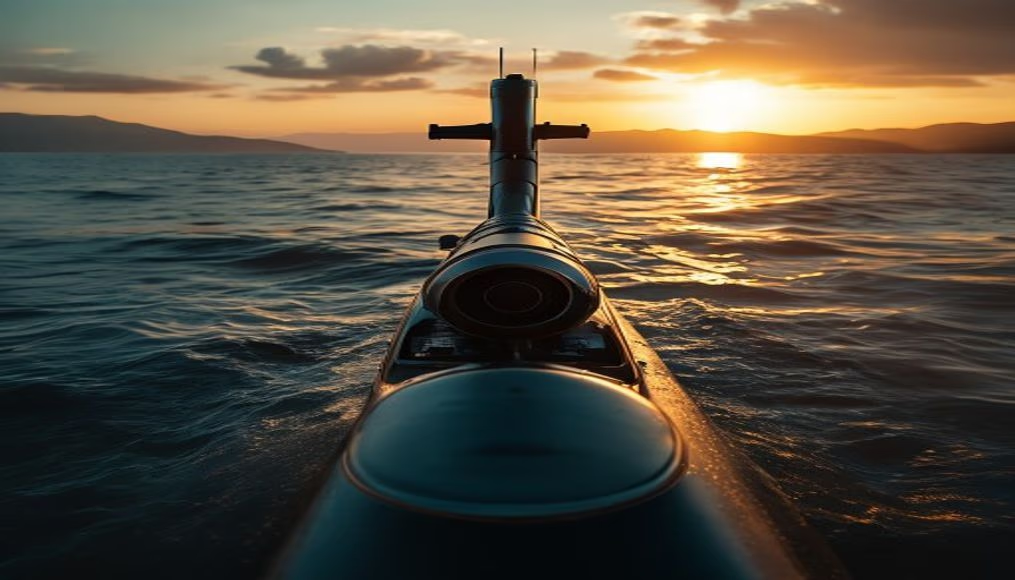
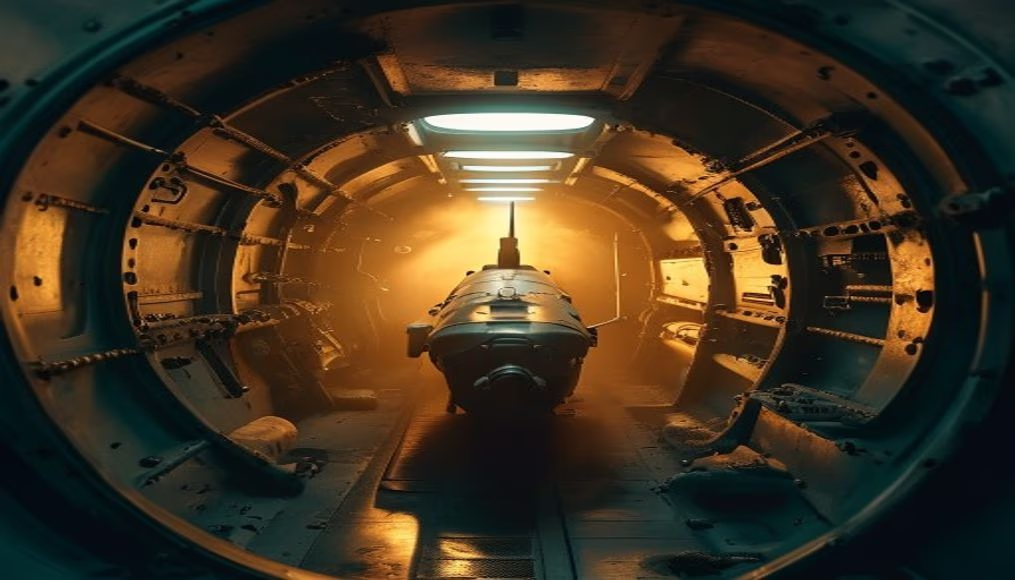
Submarine surfacing ocean
1344×768 · AVIF · CC BY 4.0
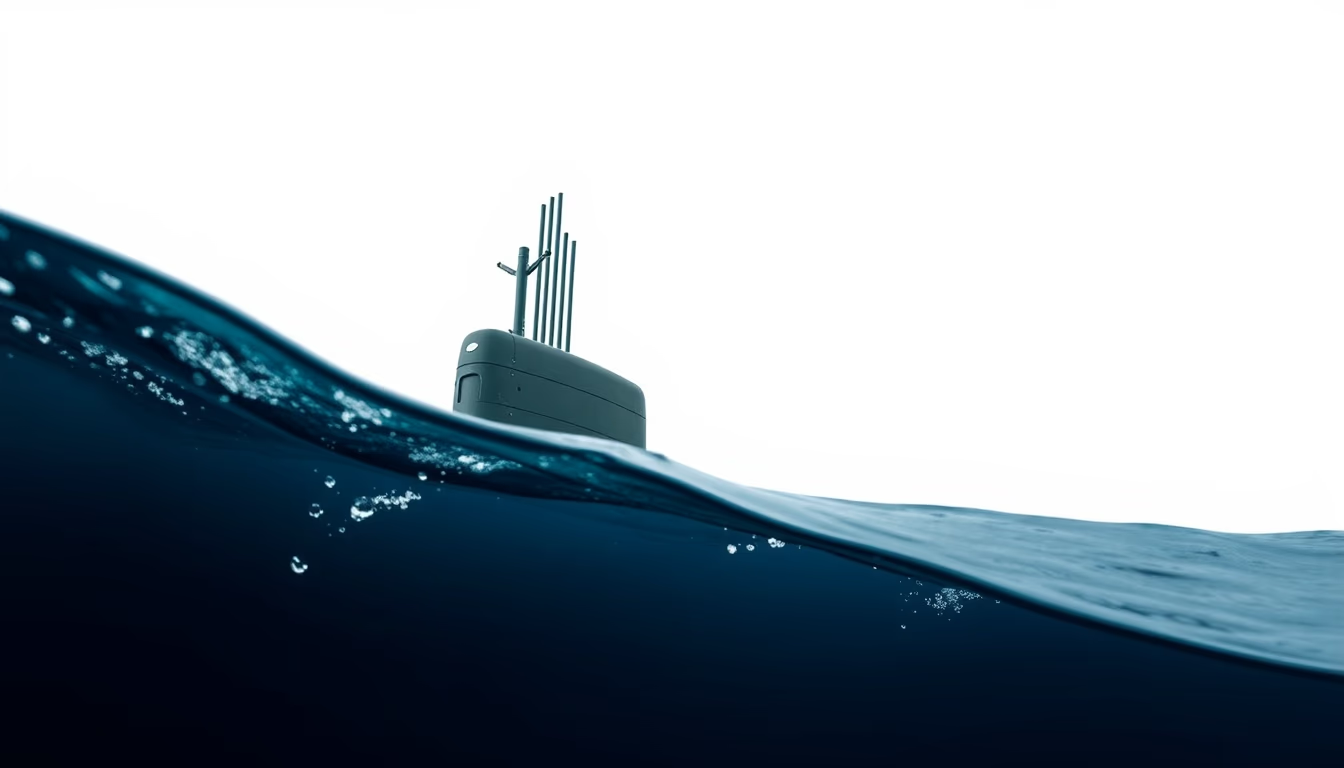
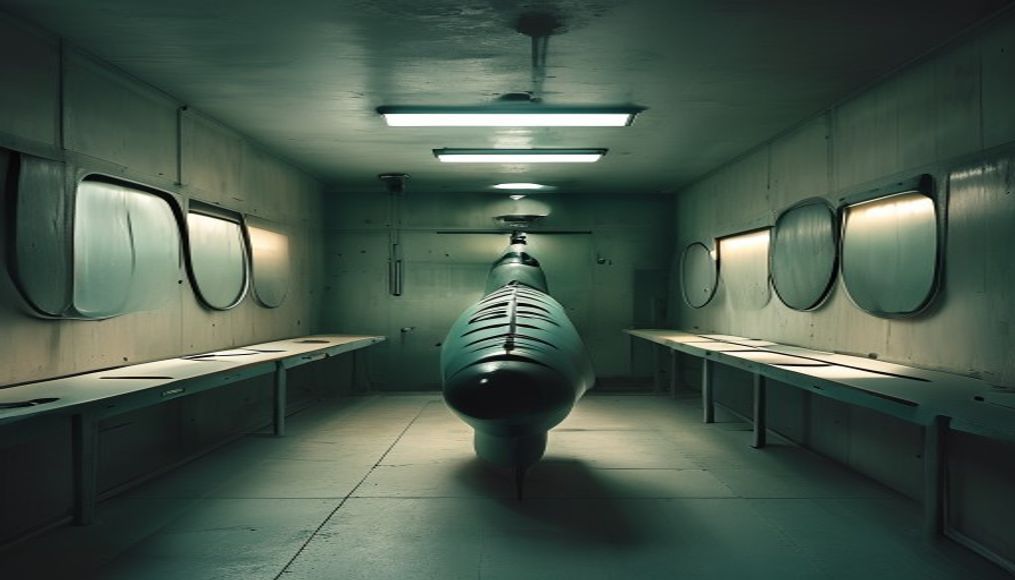
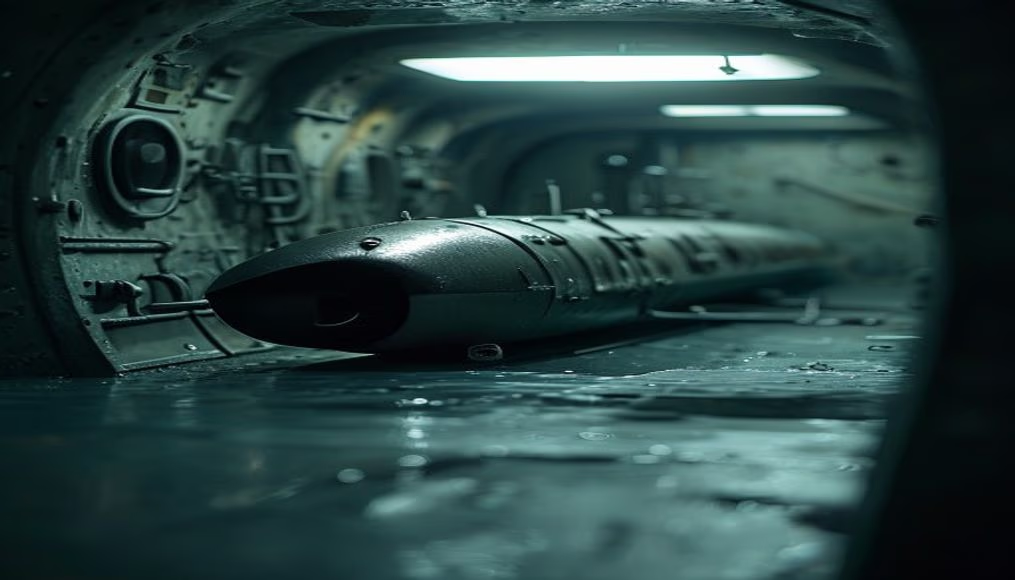
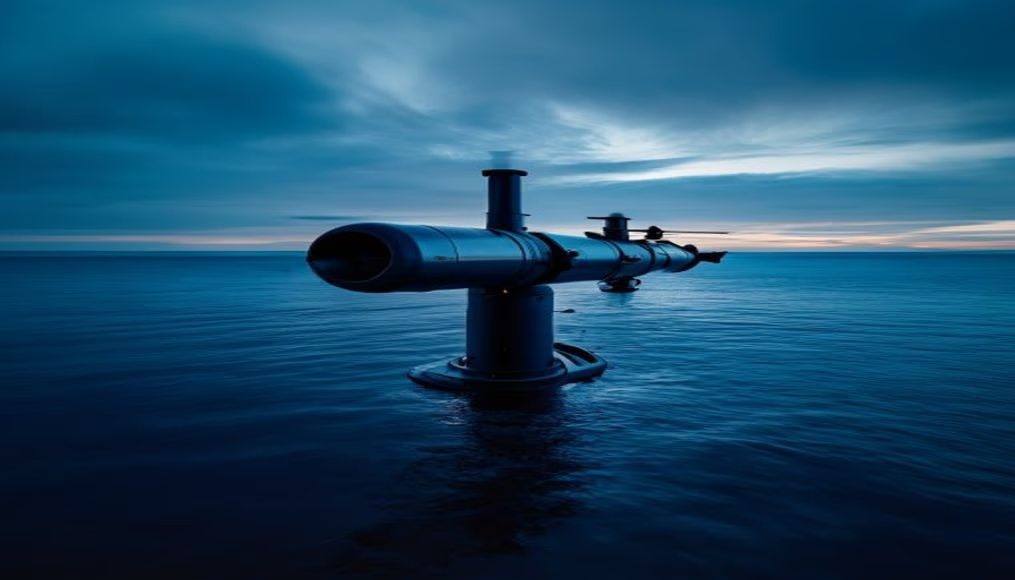
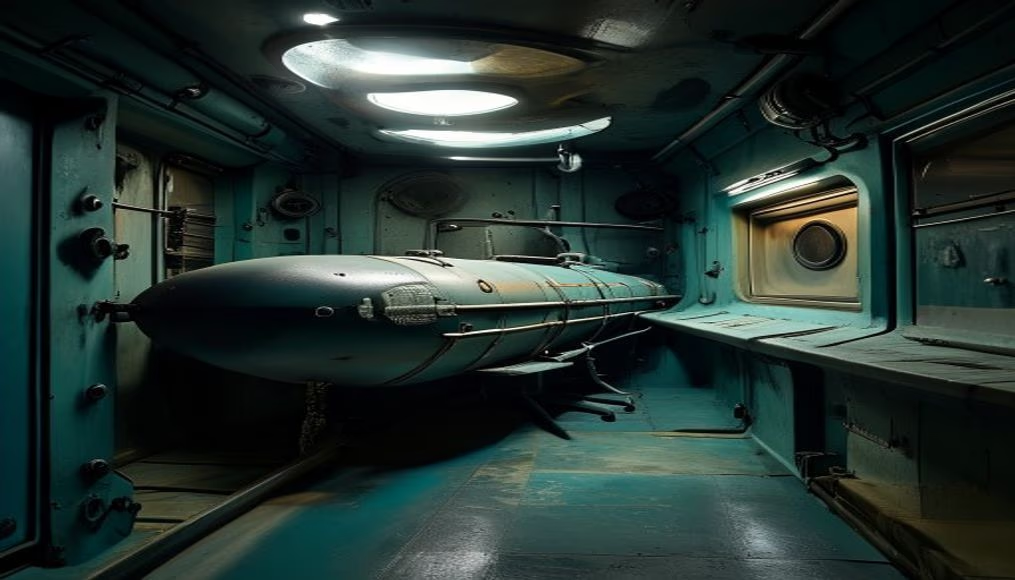
A submarine surfacing in the ocean, a critical navigation and communication maneuver that involves specific techniques and safety protocols.
About this subject
The surfacing process is one of the most delicate maneuvers for submarines. Unlike a conventional ship, the submarine must carefully control buoyancy to rise safely, avoiding collisions or hull damage. During ascent, the crew monitors depth, pitch angle, and hull pressure. Ascent speed is limited to avoid cavitation and sudden exposure to the surface.
Upon surfacing, the submarine performs a series of checks. First, the periscope antenna or communications mast is extended to establish contact with naval bases or satellites. Modern submarines use satellite communication and radar systems before fully exposing the hull. Surfacing also allows the submarine to ventilate internal air and recharge batteries with diesel generators (in conventional submarines) or nuclear reactors (in nuclear submarines).
Military submarines typically surface in safe areas away from maritime traffic, as part of routine or emergency procedures. Scientific research submarines also surface to collect data or perform maintenance. Interestingly, nuclear submarines can remain submerged for months but still need to surface periodically for communications and logistics. There are different surfacing modes: emergency (for escape) or routine. The maneuver is controlled by ballast and dive planes.
Submarine designs vary, but Archimedes' principle governs ascent. When surfacing, the ocean surface presents risks such as large waves or debris. Therefore, radar and sonar sensors are used to ensure safety. Legendary submarines like the USS Nautilus pioneered long submerged voyages. Today, submarine technology is crucial for defense, oceanographic research, and resource exploration.
Frequently Asked Questions
How long does a submarine take to surface from maximum depth?
The time depends on depth and ascent speed, typically limited to 0.5-2 meters per second. From 300 meters, it can take 2-10 minutes with pauses for equalization.
Why does a submarine need to surface to communicate?
Radio waves do not penetrate saltwater. Submarines use masts or buoys extended to the surface for satellite or radio contact.
What is the difference between emergency surfacing and routine surfacing?
Emergency surfacing uses compressed air to rapidly blow ballast tanks, ascending quickly. Routine surfacing uses pumps and gradual adjustments for stability.
Direct URL
https://pub-c7d6a6ea828543ac903a74a341ccb2e1.r2.dev/imagens/submarine-surfacing-ocean-commercial-product-photography-p2.avifHow to credit
Include a visible link back to UtilizAí. Copy one of the snippets below:
<a href="https://xn--utiliza-eza.com/en/midia/imagens/submarine-surfacing-ocean-commercial-product-photography-p2">Submarine surfacing ocean</a> by <a href="https://xn--utiliza-eza.com">UtilizAí</a>, licensed under <a href="https://creativecommons.org/licenses/by/4.0/">CC BY 4.0</a>.
[Submarine surfacing ocean](https://xn--utiliza-eza.com/en/midia/imagens/submarine-surfacing-ocean-commercial-product-photography-p2) by [UtilizAí](https://xn--utiliza-eza.com), CC BY 4.0
License: CC-BY-4.0