Studio monitor speaker
1344×768 · AVIF · CC BY 4.0
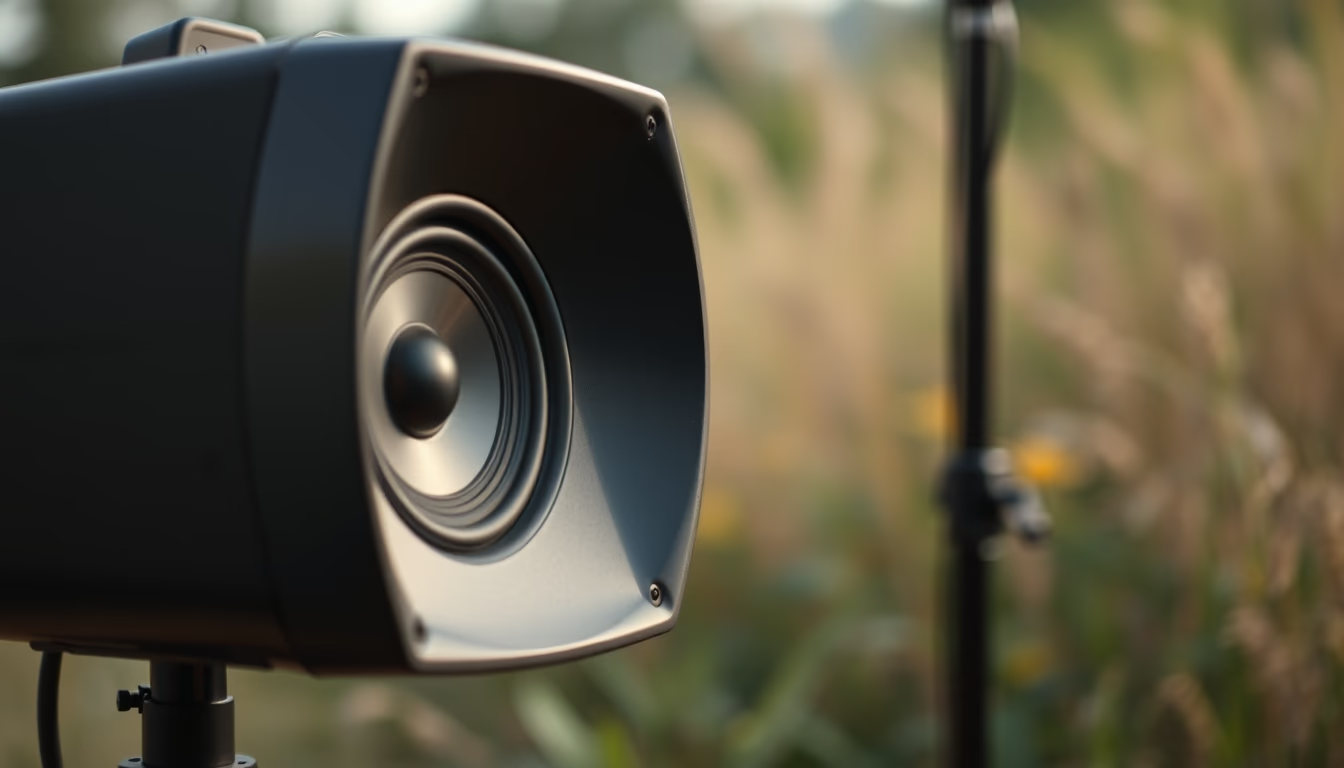
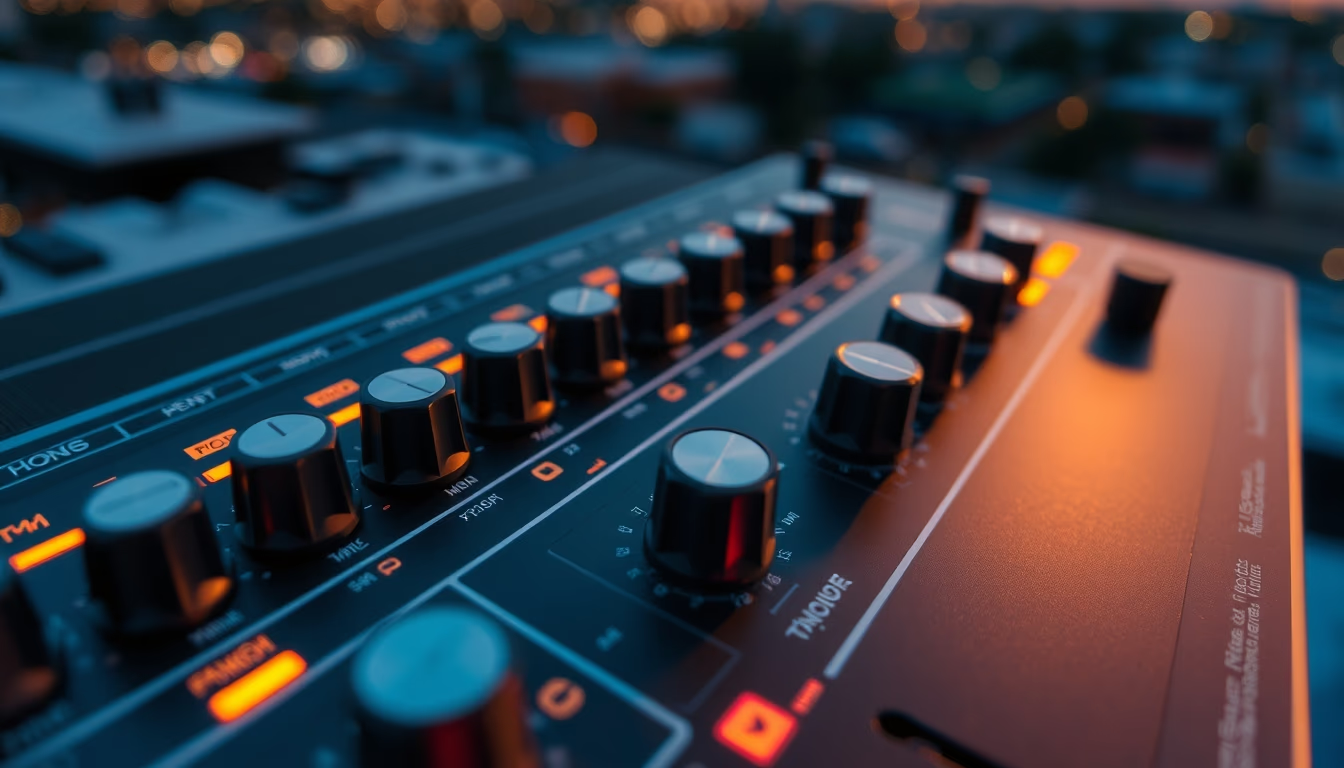
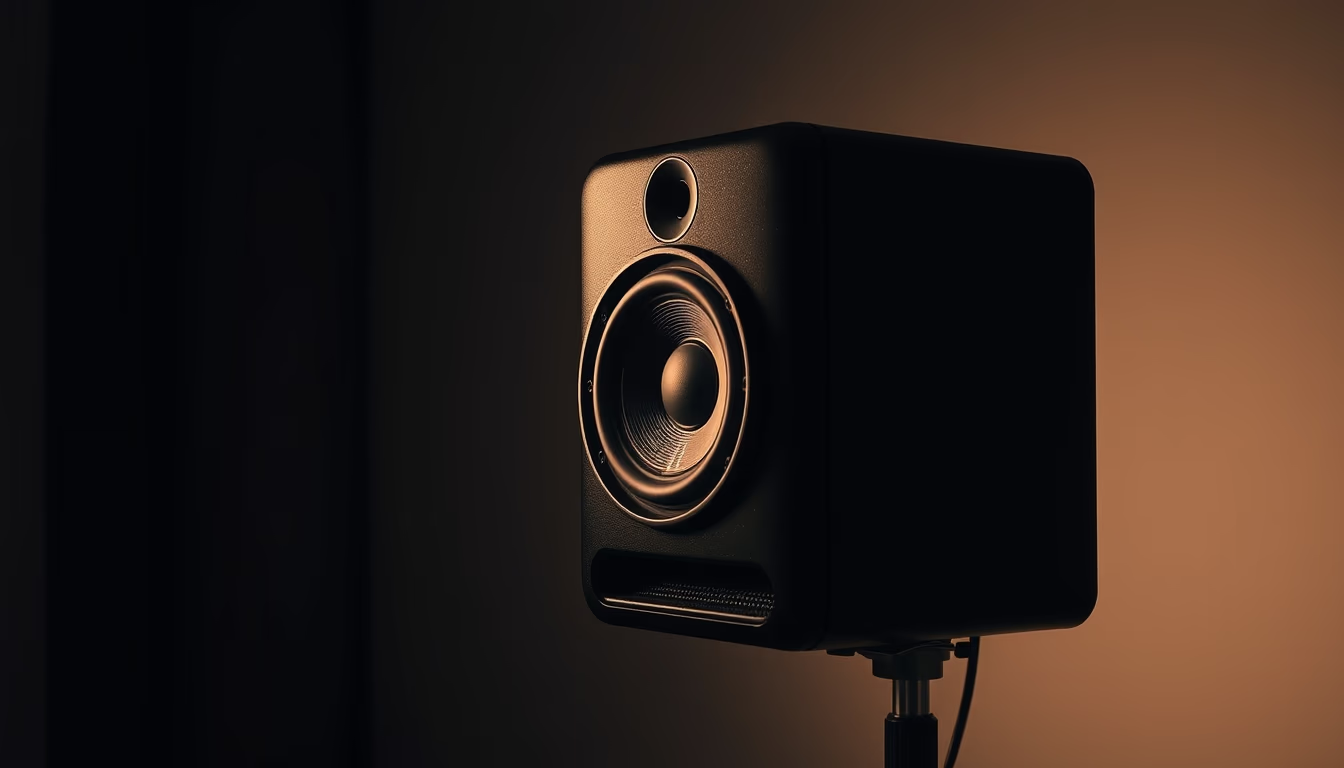
Studio monitors are loudspeakers designed for accurate, uncolored sound reproduction, crucial for professional mixing and mastering.
About this subject
Studio monitors, also known as reference monitors, differ from consumer speakers by prioritizing sound fidelity rather than enhancing frequencies to please listeners. They are designed with a flat frequency response, meaning they do not emphasize bass, mids, or treble, allowing audio engineers to detect imperfections in recordings. This equipment is indispensable in recording studios, radio stations, television facilities, and post-production suites.
Technology behind monitors has evolved significantly since the 1970s, when models like the Yamaha NS-10 became a global reference. Today, there are active monitors (with built-in amplifiers) and passive ones (requiring external amplifiers). Most professional studios use near-field monitors, positioned about one meter from the engineer, to minimize the influence of room acoustics. Calibration with measurement microphones and software such as Sonarworks is common to adjust response to the room.
Interestingly, studio monitors typically feature balanced connectors (XLR or TRS) to reduce noise, and many models include equalization adjustments to compensate for walls or corners. Crossover frequencies, woofer size, and tweeter type (soft dome, ribbon, etc.) directly affect accuracy. In the music industry, choosing a monitor is as personal as choosing a microphone, varying by musical genre and engineer preference.
Frequently Asked Questions
What is the difference between studio monitors and regular speakers?
Studio monitors have a flat frequency response without bass or treble emphasis, allowing engineers to hear the raw recording, while regular speakers color the sound to be more pleasing.
Why are studio monitors so expensive?
They require high-precision components, careful acoustic design, and low-distortion amplifiers. Professional models undergo individual calibration and use materials that ensure durability and accuracy.
Can I use studio monitors for casual music listening at home?
Yes, but they will reveal imperfections in commercial recordings, which may sound less pleasant. Musicians and audiophiles use them precisely for that transparency.
Direct URL
https://pub-c7d6a6ea828543ac903a74a341ccb2e1.r2.dev/imagens/studio-monitor-speaker-documentary-nature-style-fresh8.avifHow to credit
Include a visible link back to UtilizAí. Copy one of the snippets below:
<a href="https://xn--utiliza-eza.com/en/midia/imagens/studio-monitor-speaker-documentary-nature-style-fresh8">Studio monitor speaker</a> by <a href="https://xn--utiliza-eza.com">UtilizAí</a>, licensed under <a href="https://creativecommons.org/licenses/by/4.0/">CC BY 4.0</a>.
[Studio monitor speaker](https://xn--utiliza-eza.com/en/midia/imagens/studio-monitor-speaker-documentary-nature-style-fresh8) by [UtilizAí](https://xn--utiliza-eza.com), CC BY 4.0
License: CC-BY-4.0