Stonehenge england
1344×768 · AVIF · CC BY 4.0
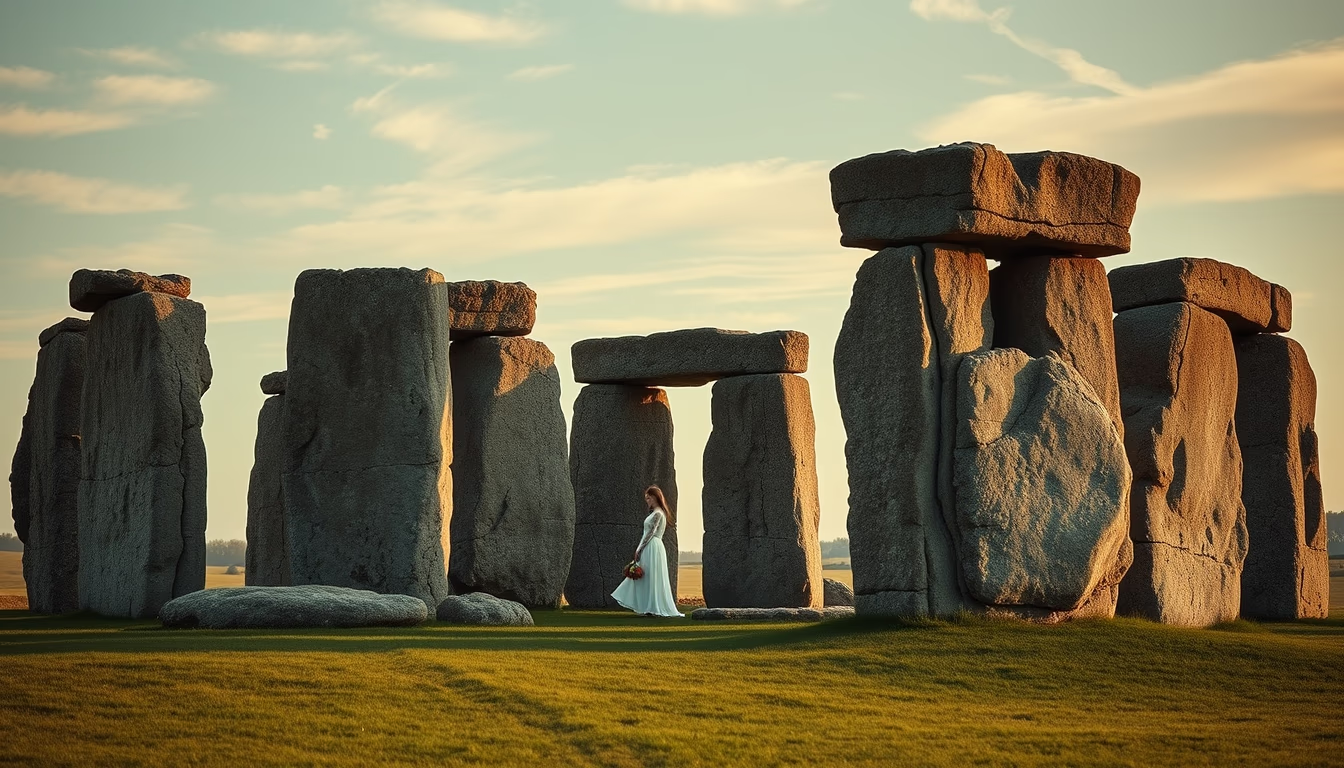
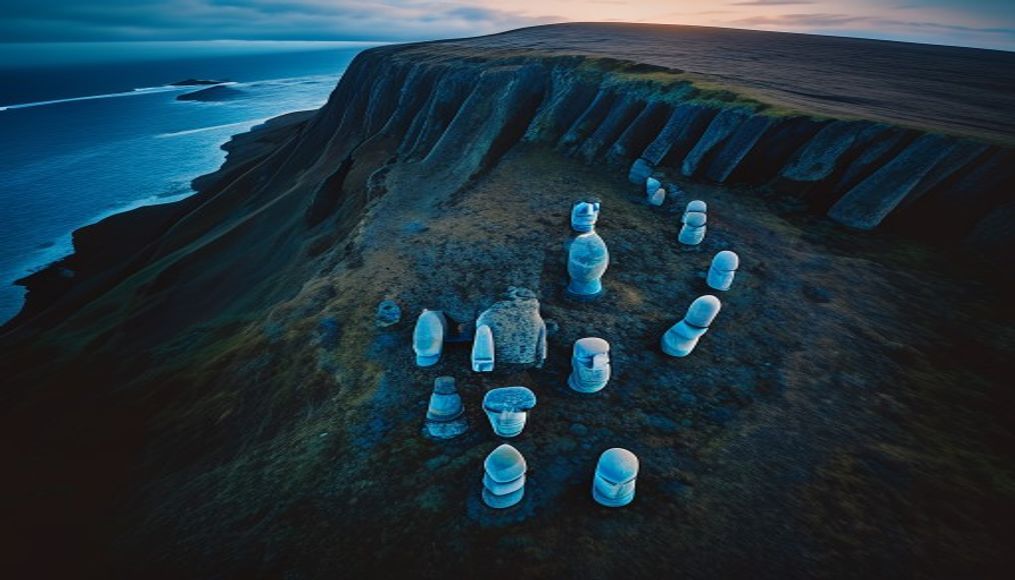
Stonehenge is a Bronze Age megalithic monument on Salisbury Plain in England, renowned for its circular arrangement of standing stones.
About this subject
Stonehenge, built between 3000 and 2000 BC, is one of the world's most iconic prehistoric monuments. Located in Wiltshire, England, its construction occurred in several phases: first a circular ditch and bank, then the erection of the stones. Although its exact purpose is debated, it is believed to have served as an astronomical observatory and ceremonial site, aligned with the summer solstice. It has been a UNESCO World Heritage Site since 1986.
The monument consists of two main types of stones: sarsens, huge sandstone blocks up to 9 meters high and weighing 25 tons, sourced from Marlborough Downs 30 km away; and bluestones, smaller blue-gray stones (2 to 5 tons) brought from the Preseli Hills in Wales, about 240 km away. The transportation of these stones without modern technology remains one of archaeology's greatest puzzles.
Culturally, Stonehenge is associated with spiritual practices and Druidry, although its construction predates these groups. Its alignment with the sunrise at the summer solstice attracts thousands of visitors each year. Today, the site is managed by English Heritage, which implements preservation measures, allowing limited access during solstices and equinoxes.
Recent archaeological research, such as excavations at Durrington Walls and Avebury, has revealed that Stonehenge was part of a larger ritual complex. It is thought that the monument was a healing center or a gathering place for Neolithic tribes. With around 1.3 million visitors annually, Stonehenge continues to be a symbol of mystery and fascination, drawing scholars and tourists from around the world.
Frequently Asked Questions
Who built Stonehenge?
It is not known for certain, but archaeological evidence suggests it was built by Neolithic and Bronze Age peoples living in Britain, possibly organized into local tribes or chiefdoms.
How old is Stonehenge?
The earliest parts date to around 3100 BC, with the stones erected between 2500 and 2000 BC, making it about 5,000 years old.
Why were the stones brought from such distances?
The exact reason is unknown, but it is believed that the bluestones held spiritual or medicinal significance for the builders, possibly associated with healing properties or rituals.
Direct URL
https://pub-c7d6a6ea828543ac903a74a341ccb2e1.r2.dev/imagens/stonehenge-england-magazine-editorial-p4.avifHow to credit
Include a visible link back to UtilizAí. Copy one of the snippets below:
<a href="https://xn--utiliza-eza.com/en/midia/imagens/stonehenge-england-magazine-editorial-p4">Stonehenge england</a> by <a href="https://xn--utiliza-eza.com">UtilizAí</a>, licensed under <a href="https://creativecommons.org/licenses/by/4.0/">CC BY 4.0</a>.
[Stonehenge england](https://xn--utiliza-eza.com/en/midia/imagens/stonehenge-england-magazine-editorial-p4) by [UtilizAí](https://xn--utiliza-eza.com), CC BY 4.0
License: CC-BY-4.0