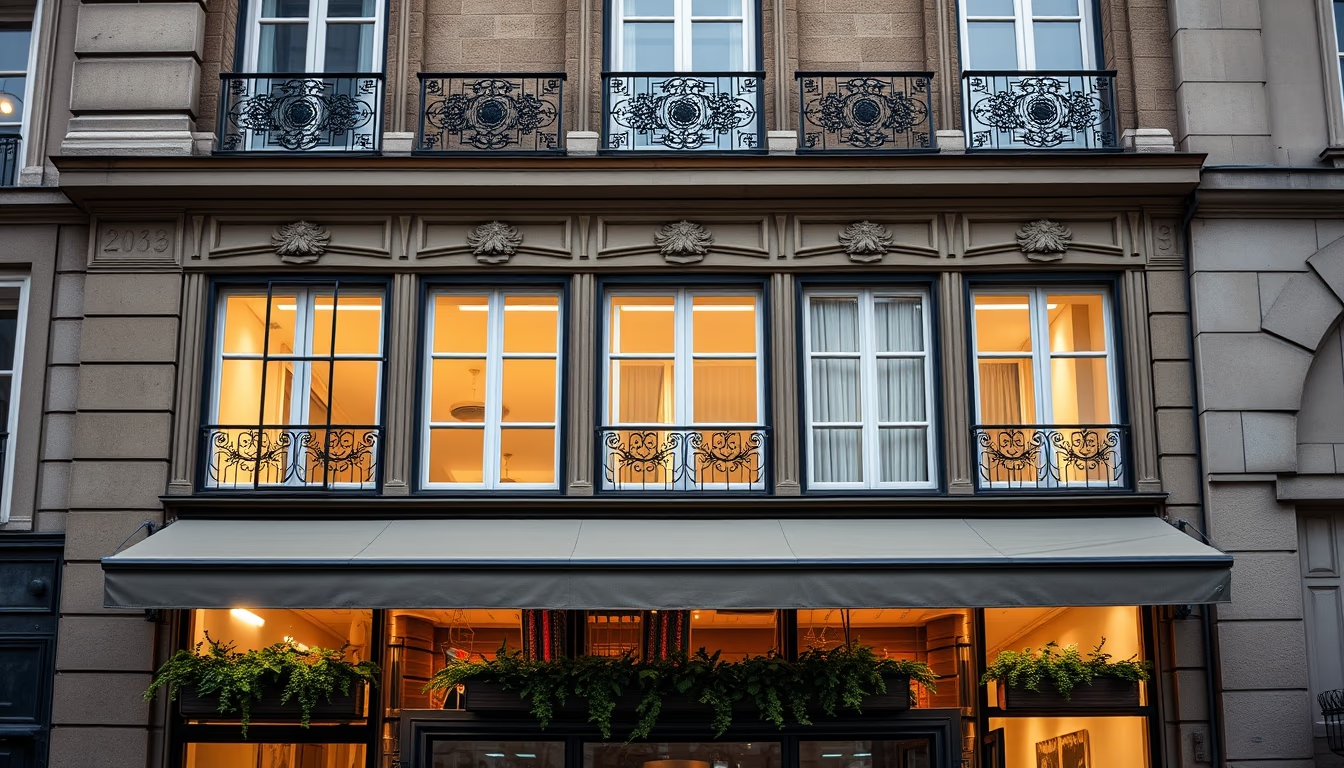
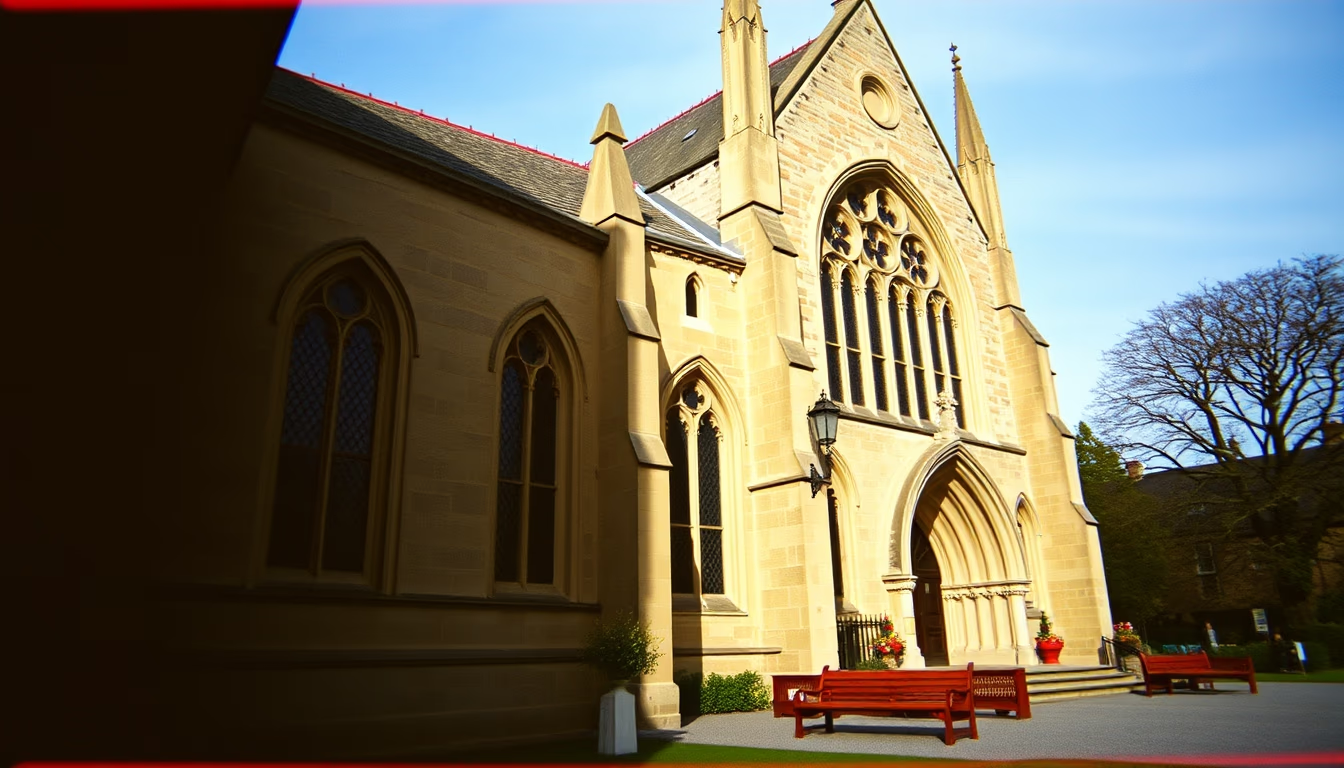
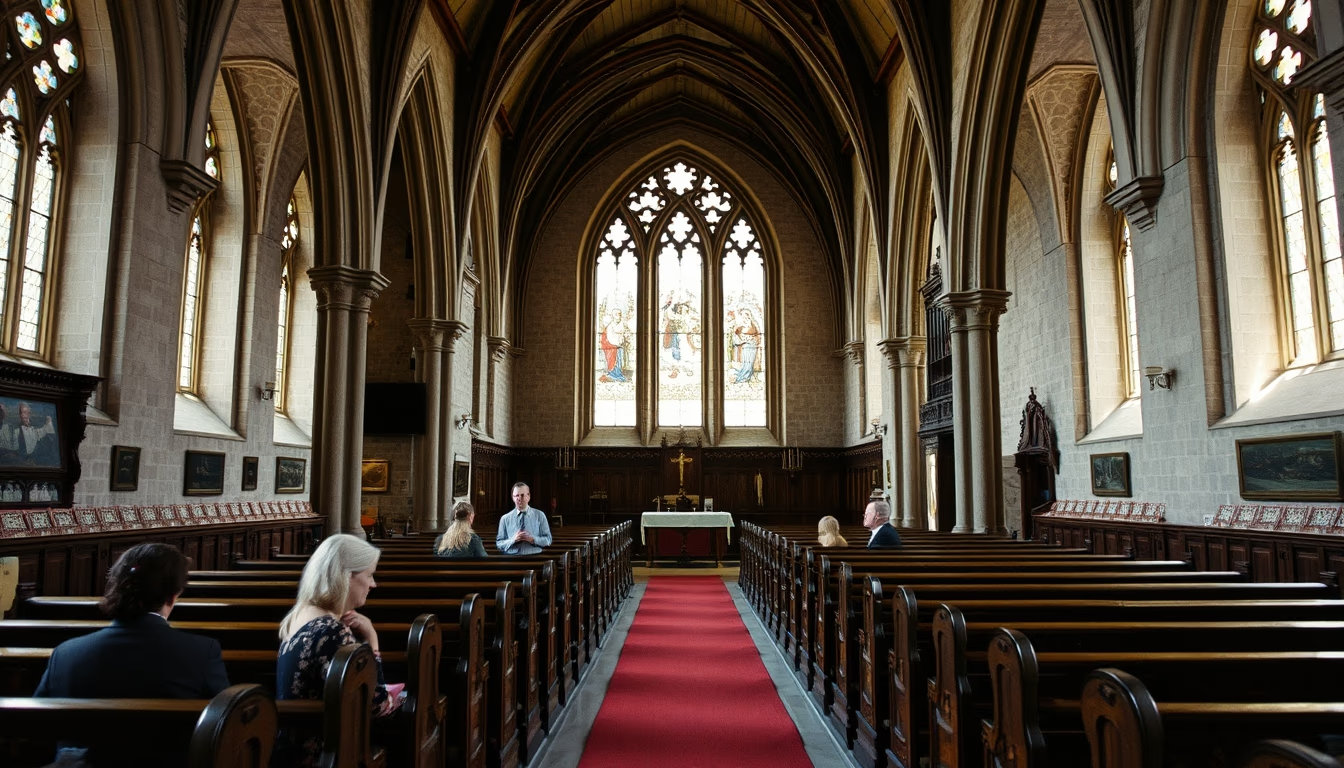
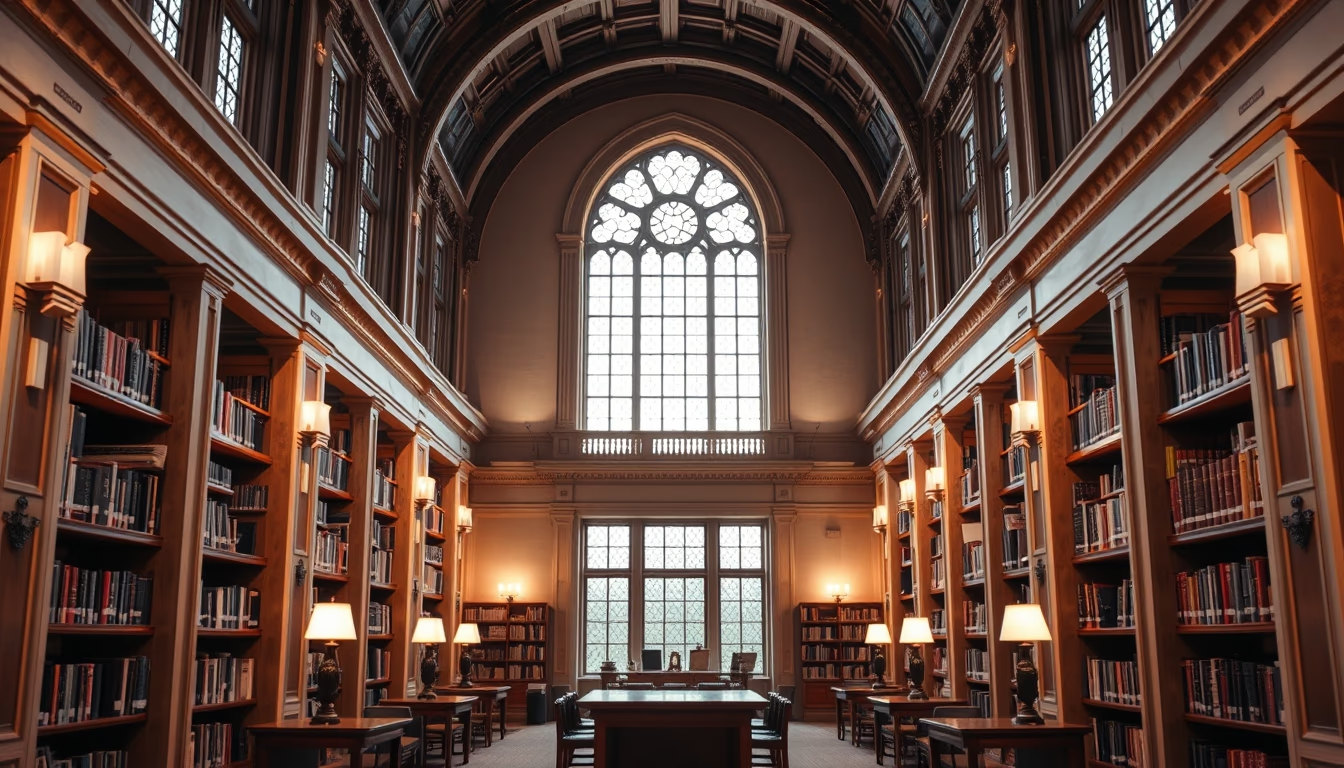
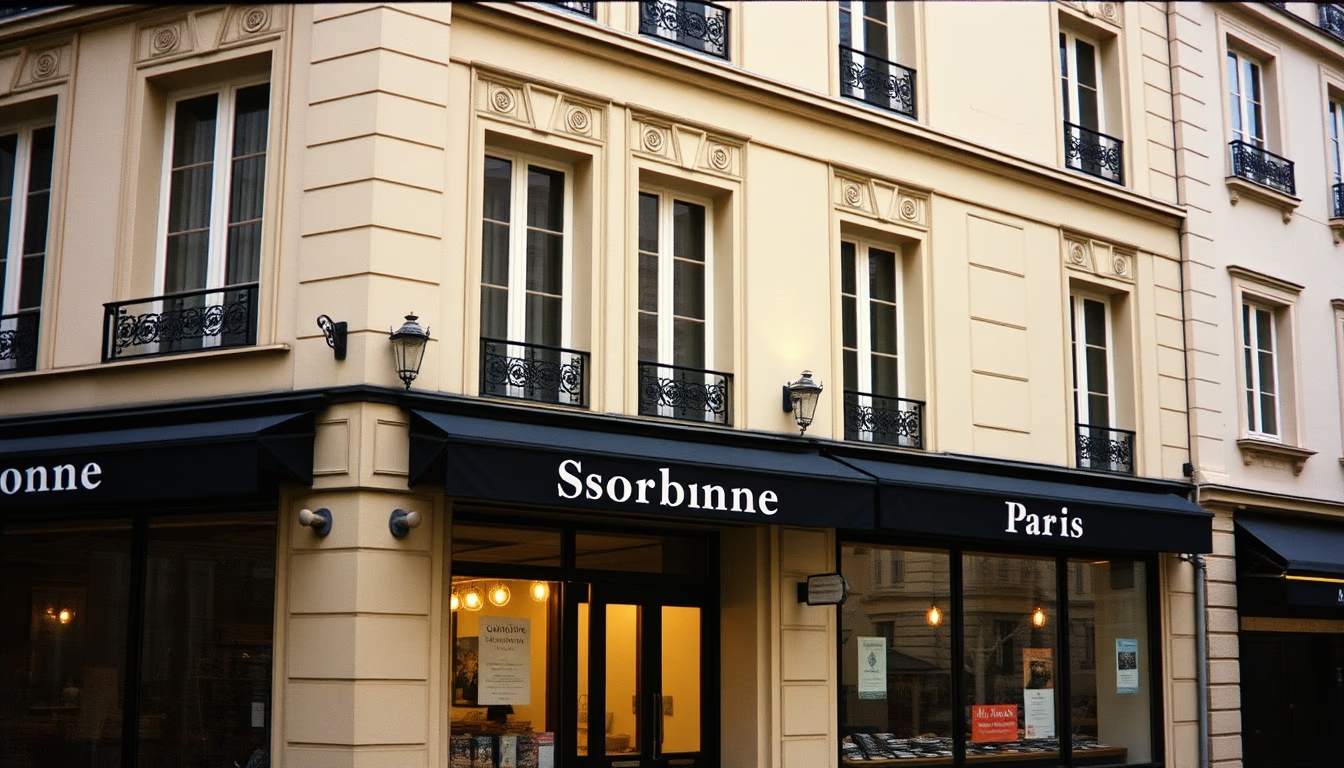
Sorbonne paris facade
1344×768 · AVIF · CC BY 4.0
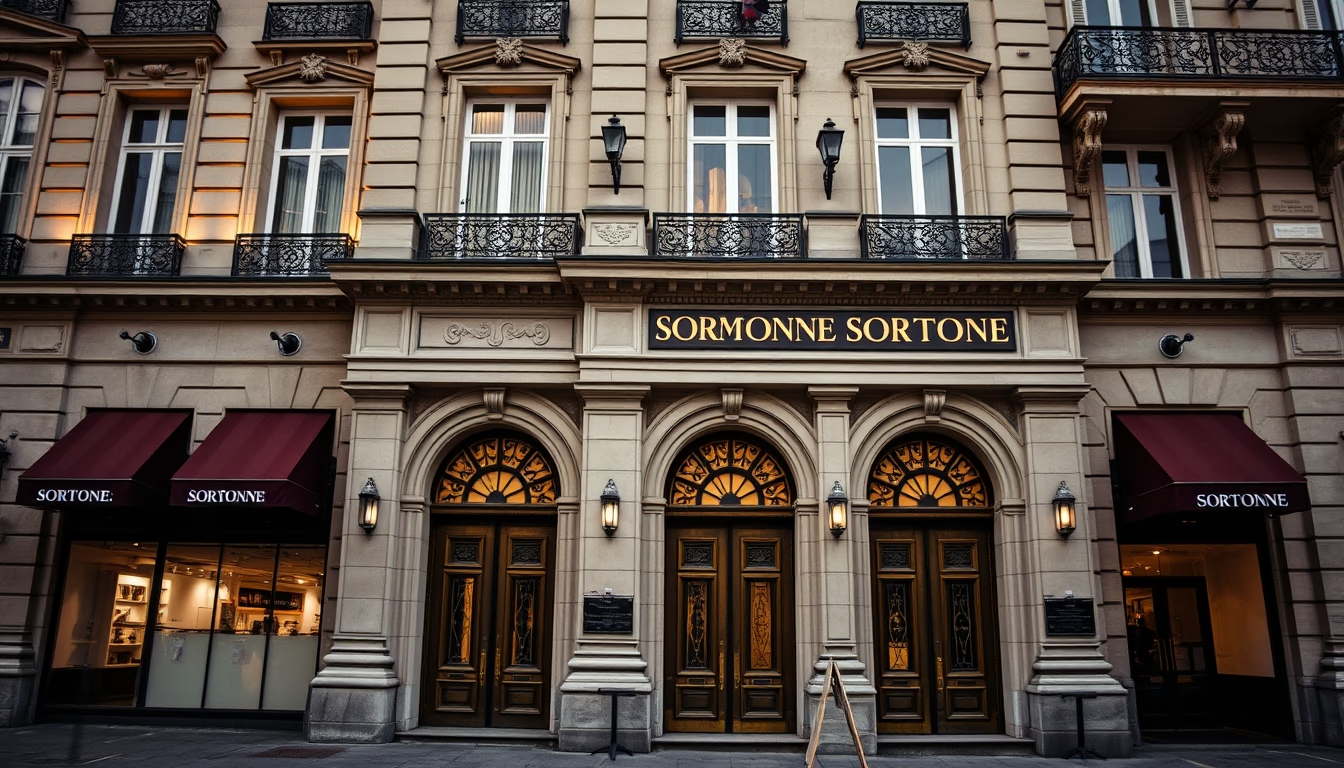
The Sorbonne facade in Paris bears witness to centuries of academic history and classical French architecture.
About this subject
The Sorbonne, formally the University of Paris, is one of the oldest and most prestigious higher education institutions in the world. Its main facade, located in the Latin Quarter, reflects the neoclassical style of the 19th century, designed by architect Henri Labrouste after the renovation of the original building. The facade features a portico with Corinthian columns, a sculpted pediment, and Latin inscriptions celebrating knowledge and education.
Originally founded in the 13th century by Robert de Sorbon as a college for theology students, the Sorbonne became the heart of the University of Paris. During the French Revolution it was closed, then reopened in the 19th century under Napoleon III, when Labrouste and other architects rebuilt the complex. The current facade dates from this period, incorporating elements that symbolize scholarship and the Republic.
Culturally, the Sorbonne is a Parisian icon, associated with figures like Pierre and Marie Curie, Victor Hugo, and many other intellectuals. The square in front, Place de la Sorbonne, is a meeting point for students and tourists. The building houses the Sainte-Ursule chapel and the famous Richelieu amphitheater. The facade architecture is a notable example of French neoclassical style, with details such as allegorical reliefs and a statue of Wisdom on top.
A curiosity: the Sorbonne is no longer a single university; since 1971 it has been divided into 13 independent universities, but the historic building is still used for academic ceremonies and events. The facade is one of the most photographed landmarks in Paris, attracting visitors from around the world interested in its history and architectural beauty.
Frequently Asked Questions
When was the current facade of the Sorbonne built?
The current facade dates from the 19th century, specifically the renovations under Napoleon III, designed by architect Henri Labrouste, completed around 1885.
What does the Latin inscription on the facade mean?
The inscription reads 'Universitas Sorbonae Parisiensis' and on the pediment 'Soli Deo Honor et Gloria' (To God alone honor and glory), reflecting the institution's religious origins.
Can visitors tour the interior of the Sorbonne?
Yes, the building opens to the public on specific days, such as during European Heritage Days, or through guided tours. The chapel and the amphitheater are highlights.
Direct URL
https://pub-c7d6a6ea828543ac903a74a341ccb2e1.r2.dev/imagens/sorbonne-paris-facade-high-fashion-editorial-fresh14.avifHow to credit
Include a visible link back to UtilizAí. Copy one of the snippets below:
<a href="https://xn--utiliza-eza.com/en/midia/imagens/sorbonne-paris-facade-high-fashion-editorial-fresh14">Sorbonne paris facade</a> by <a href="https://xn--utiliza-eza.com">UtilizAí</a>, licensed under <a href="https://creativecommons.org/licenses/by/4.0/">CC BY 4.0</a>.
[Sorbonne paris facade](https://xn--utiliza-eza.com/en/midia/imagens/sorbonne-paris-facade-high-fashion-editorial-fresh14) by [UtilizAí](https://xn--utiliza-eza.com), CC BY 4.0
License: CC-BY-4.0