Sistine chapel detail
1344×768 · AVIF · CC BY 4.0
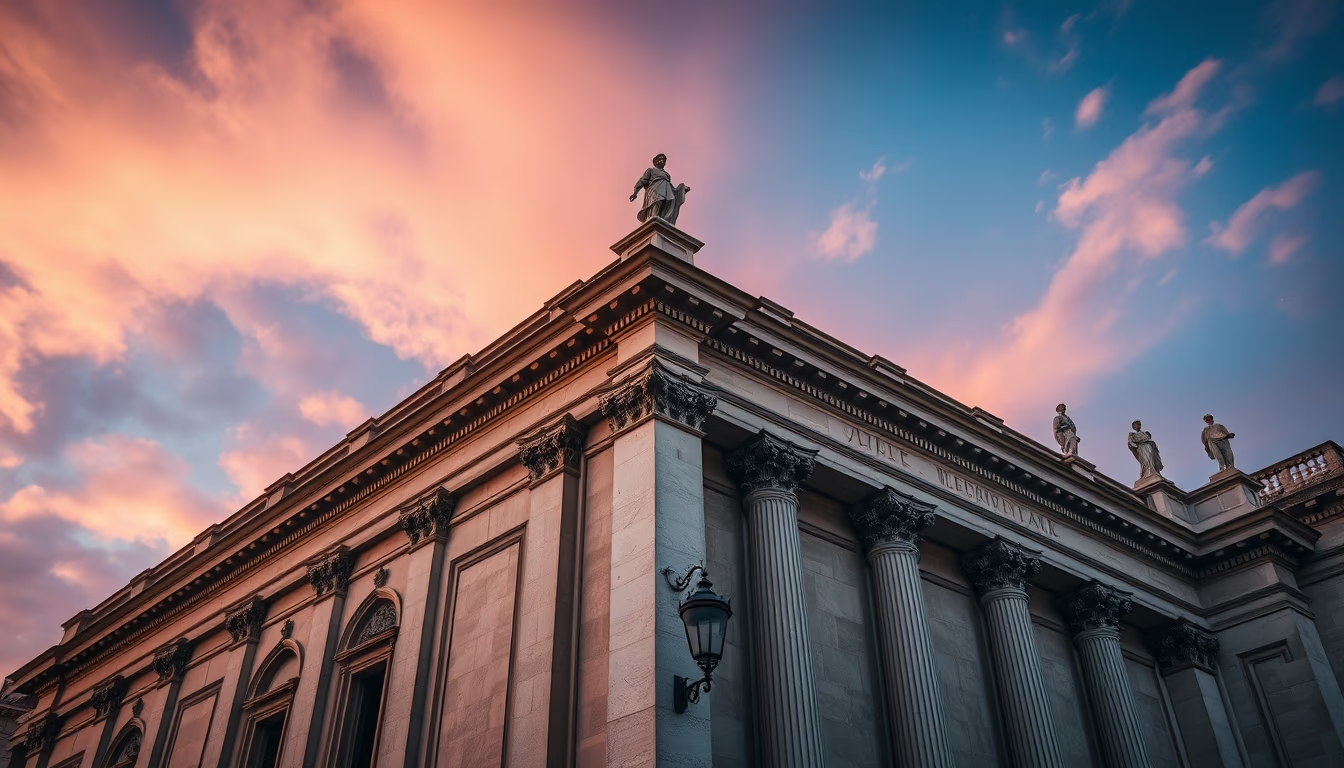
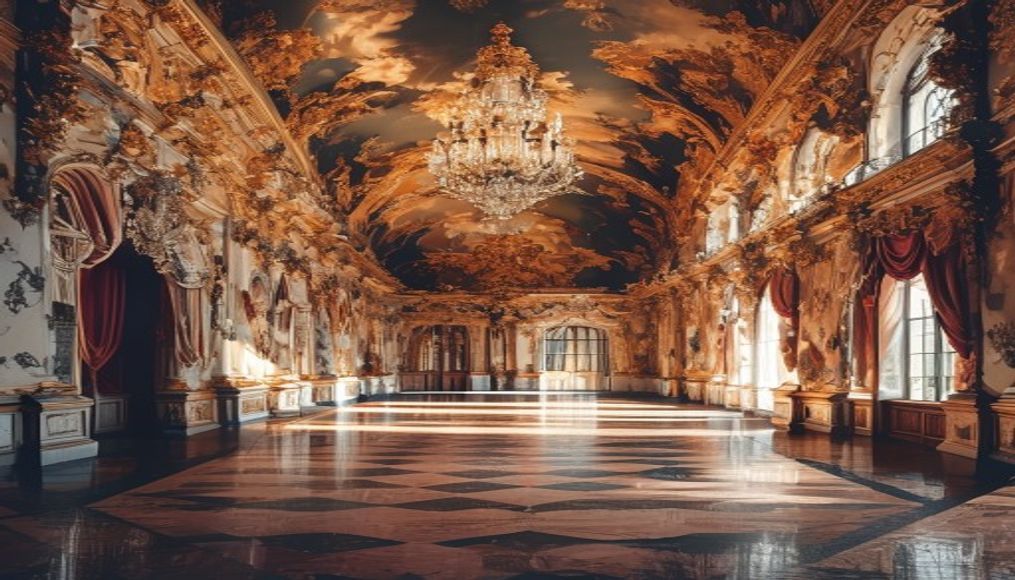
Detail of Michelangelo's frescoes in the Sistine Chapel, a Renaissance masterpiece depicting biblical scenes on the ceiling and altar wall.
About this subject
The Sistine Chapel, located in the Apostolic Palace in Vatican City, is one of the world's most important religious and artistic spaces. Its ceiling and altar wall were painted by Michelangelo between 1508 and 1512 (ceiling) and 1536 to 1541 (The Last Judgment), commissioned by Pope Julius II. The ceiling depicts nine scenes from the Book of Genesis, including the famous Creation of Adam where God's finger touches Adam's. The figures are characterized by monumental proportions, vibrant colors, and deep anatomical knowledge.
The Last Judgment, on the altar wall, was added years later and covers the entire surface. It shows Christ in the center surrounded by saints and angels, while the dead rise and are judged. The scene is dramatic and complex, with over 400 figures. Michelangelo included self-portraits and portrayed critics of the work, such as Biagio da Cesena, with donkey ears. The work caused controversy at the time for its nude figures, leading to the addition of fig leaves and loincloths by Daniele da Volterra, nicknamed "Il Braghettone" (the breeches maker).
The Sistine Chapel also serves as the site of the papal conclave, where cardinals gather to elect a new pope. The frescoes underwent a major restoration between 1980 and 1994, removing centuries of soot and revealing vibrant original colors. The restoration was highly debated, with some scholars arguing the brightness was not intended. Today, the chapel attracts millions of visitors annually, who must observe silence and a ban on photography to preserve the works.
In addition to Michelangelo, other Renaissance artists such as Botticelli, Ghirlandaio, and Perugino painted the side walls with scenes from the lives of Moses and Christ. Together, they form a complete theological narrative from Creation to the Last Judgment. The Sistine Chapel is a symbol of the fusion of faith, art, and papal power, continuing to inspire admirers worldwide.
Frequently Asked Questions
How long did Michelangelo take to paint the Sistine Chapel ceiling?
Michelangelo worked on the ceiling from 1508 to 1512, about four years. He painted standing on scaffolding, with his head tilted back, causing neck and eye strain.
Why was The Last Judgment controversial?
The Last Judgment was criticized for displaying nude figures in a sacred space. After Michelangelo's death, the Council of Trent ordered the genitals covered, a task carried out by Daniele da Volterra.
Is the Sistine Chapel still used for religious ceremonies?
Yes, the chapel is used for important papal ceremonies, such as the conclave to elect a new pope. However, most of the year it is open to the public as a museum.
Direct URL
https://pub-c7d6a6ea828543ac903a74a341ccb2e1.r2.dev/imagens/sistine-chapel-detail-long-exposure-p5.avifHow to credit
Include a visible link back to UtilizAí. Copy one of the snippets below:
<a href="https://xn--utiliza-eza.com/en/midia/imagens/sistine-chapel-detail-long-exposure-p5">Sistine chapel detail</a> by <a href="https://xn--utiliza-eza.com">UtilizAí</a>, licensed under <a href="https://creativecommons.org/licenses/by/4.0/">CC BY 4.0</a>.
[Sistine chapel detail](https://xn--utiliza-eza.com/en/midia/imagens/sistine-chapel-detail-long-exposure-p5) by [UtilizAí](https://xn--utiliza-eza.com), CC BY 4.0
License: CC-BY-4.0