Shoji screen wooden
1344×768 · AVIF · CC BY 4.0
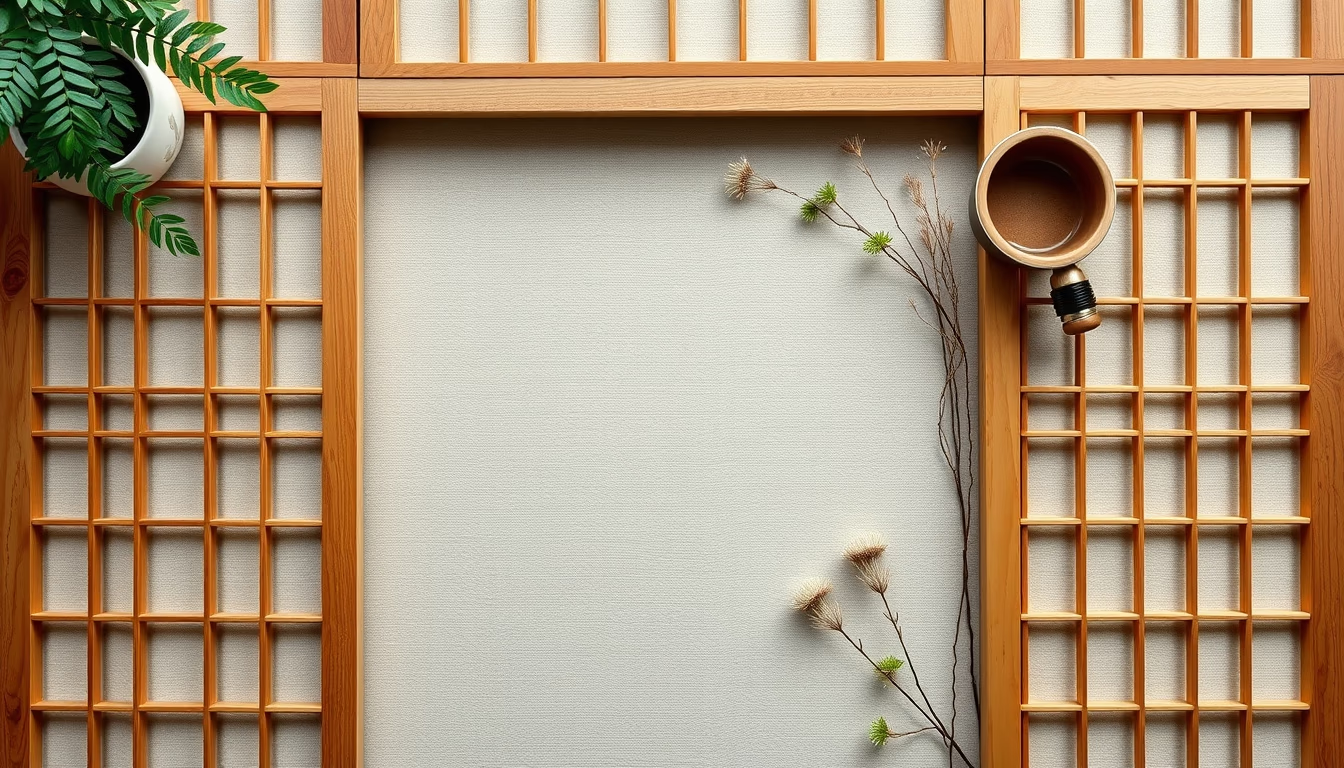
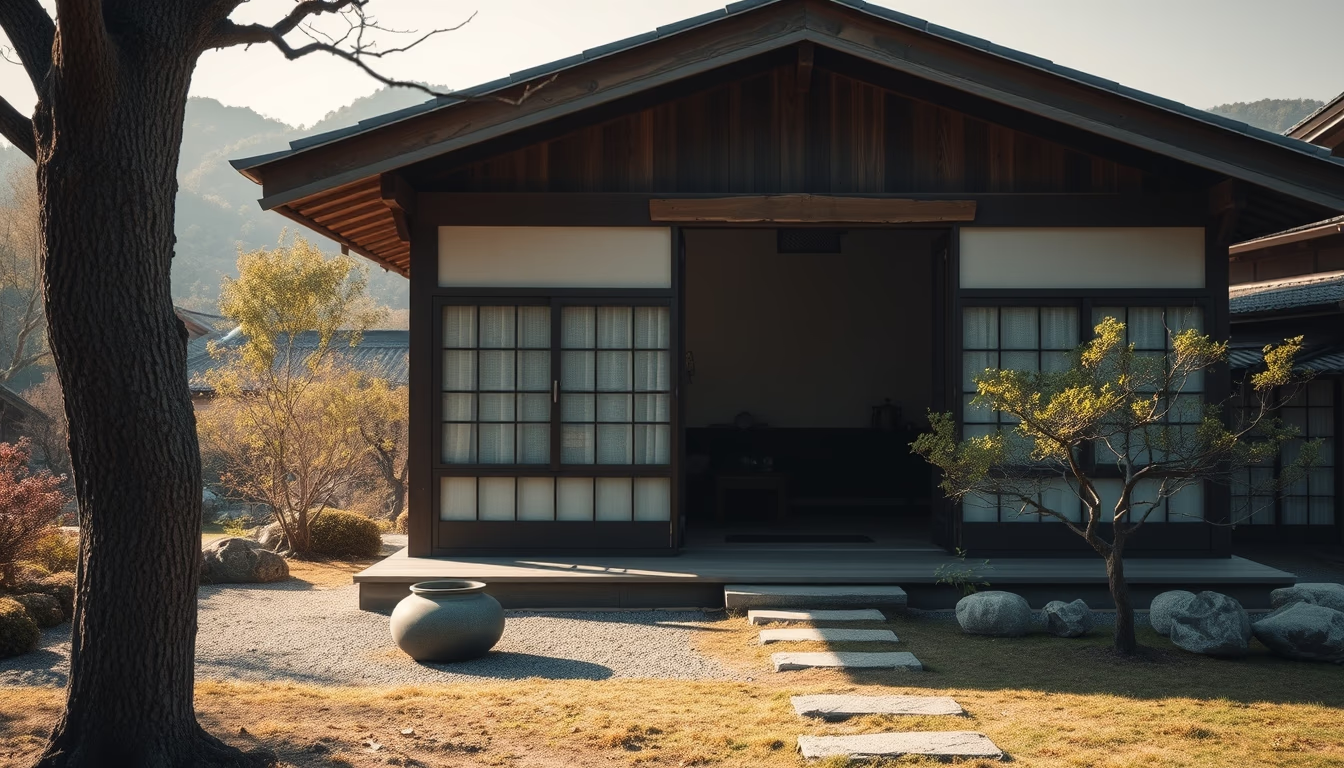
Wooden shoji screens are traditional Japanese sliding panels that combine functionality and zen aesthetics, made with a wooden frame and washi paper.
About this subject
The shoji is a traditional Japanese architectural element used as a door, window, or room divider. It consists of a lightweight wooden frame, usually made of cedar or cypress, filled with handmade washi paper that diffuses light, creating a soft and serene atmosphere. Its origins date back to the Heian period (794-1185), inspired by Chinese screens, but it quickly adapted to the Japanese lifestyle, emphasizing flexible interior spaces.
The wood used in shoji is crafted with precise joinery, without nails, showcasing the skill of Japanese carpenters. Washi paper, made from mulberry fibers, offers durability and translucency. Over time, shoji became an icon of Japanese design, influencing Western architects like Frank Lloyd Wright, who incorporated the concept of indoor-outdoor integration in his works.
Beyond practical functions of light control and privacy, shoji carries deep cultural meaning. It represents the Zen principle of simplicity and harmony with nature. In modern Japan, it is still common in traditional houses (minka) and temples, but also adapted in contemporary interiors as a decorative element. Maintenance involves periodic paper replacement, which may feature subtle patterns or remain plain, preserving the minimalist aesthetic.
Interestingly, shoji also inspired sliding panels in other countries and is often confused with fusuma, an opaque panel used for internal partitions. While fusuma uses thick fabric or opaque paper, shoji is always translucent, favoring natural light. This feature made shoji a symbol of Japanese aesthetics, valued worldwide for its ability to transform spaces with elegance and tranquility.
Frequently Asked Questions
What is the difference between shoji and fusuma?
Shoji is a sliding panel with a wooden frame and translucent washi paper, allowing light to pass through. Fusuma is opaque, typically covered with fabric or thick paper, used for internal partitions requiring more privacy.
What type of wood is traditionally used for shoji?
Traditionally, shoji is made from lightweight woods like Japanese cedar (sugi) or cypress (hinoki), chosen for their strength, durability, and pleasant aroma.
How did shoji influence Western architecture?
Architects like Frank Lloyd Wright were inspired by shoji to create integrated indoor-outdoor spaces, using sliding panels and diffused lighting, as seen in Fallingwater.
Direct URL
https://pub-c7d6a6ea828543ac903a74a341ccb2e1.r2.dev/imagens/shoji-screen-wooden-isometric-flat-lay-fresh4.avifHow to credit
Include a visible link back to UtilizAí. Copy one of the snippets below:
<a href="https://xn--utiliza-eza.com/en/midia/imagens/shoji-screen-wooden-isometric-flat-lay-fresh4">Shoji screen wooden</a> by <a href="https://xn--utiliza-eza.com">UtilizAí</a>, licensed under <a href="https://creativecommons.org/licenses/by/4.0/">CC BY 4.0</a>.
[Shoji screen wooden](https://xn--utiliza-eza.com/en/midia/imagens/shoji-screen-wooden-isometric-flat-lay-fresh4) by [UtilizAí](https://xn--utiliza-eza.com), CC BY 4.0
License: CC-BY-4.0