Seedlings tray nursery
1344×768 · AVIF · CC BY 4.0
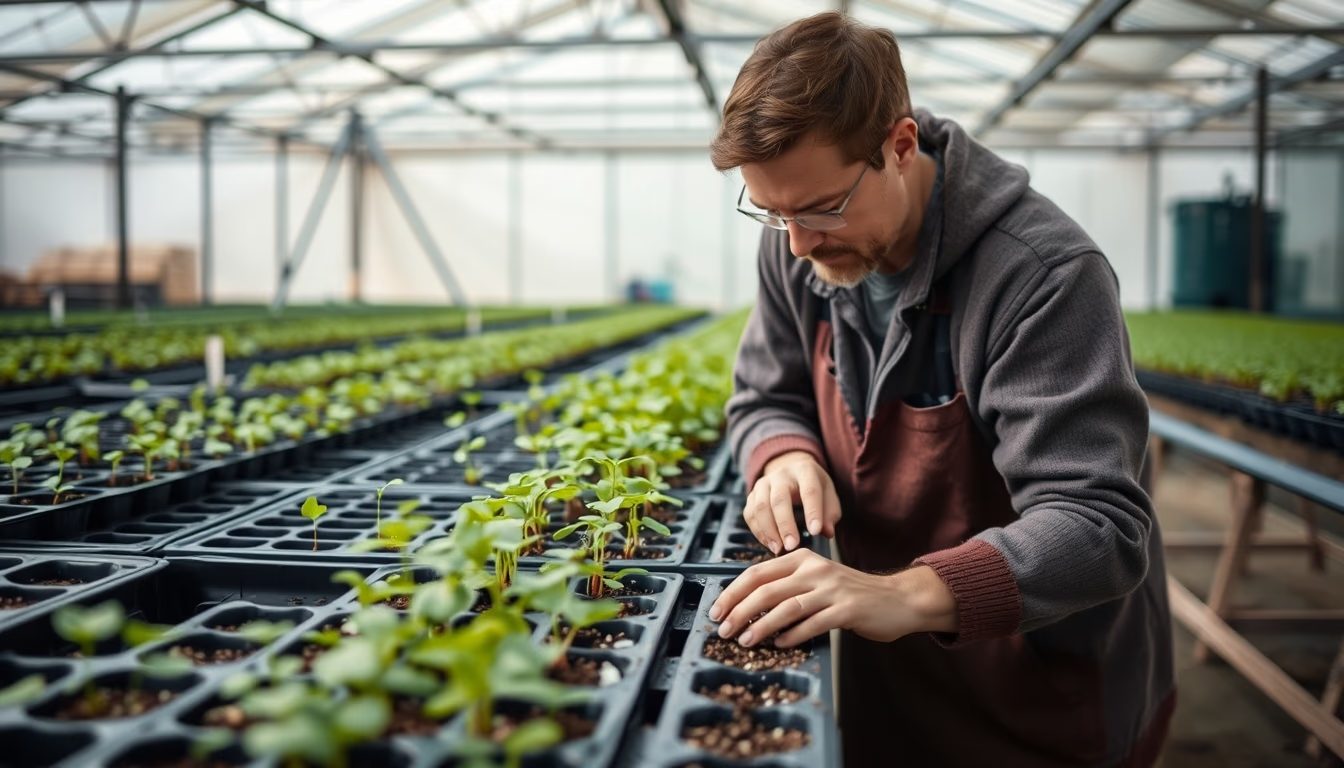
Seedling trays are essential in modern agriculture, optimizing the cultivation of vegetables and ornamental plants for high productivity.
About this subject
Seedling trays, also known as germination trays or plug trays, are containers with multiple compartments (cells) designed to start plant growth from seeds. This method is widely used in greenhouses and commercial nurseries because it allows strict control over irrigation, substrate, and nutrition, resulting in uniform and vigorous seedlings. The technique emerged in the 1960s with the popularization of plastics and became established with the rise of precision agriculture. In Brazil, seedling trays are used for crops like tomatoes, bell peppers, lettuce, kale, and flowers, helping reduce losses and increase efficiency during transplanting to the field. Cell sizes vary by species: larger cells for fast-growing plants like melon, and smaller cells for lettuce and herbs. Reusing trays after proper sanitization is common, but current trends favor biodegradable materials to reduce environmental impact. Correct management includes sterile, lightweight substrate, sowing at optimal depth, and moisture monitoring. Using seedling trays reduces transplant shock because the root system remains intact, accelerating establishment in the final soil. Data from Embrapa indicates that using tray-grown seedlings can boost productivity by up to 30% compared to direct seeding, especially in tropical climates.
Frequently Asked Questions
What are the advantages of using seedling trays instead of direct seeding?
Seedling trays allow precise control of irrigation and nutrients, produce uniform seedlings, reduce early pest and disease losses, and minimize transplant shock, increasing survival rate and productivity.
How to choose the right cell size for different plant types?
The cell size depends on the seedling’s staying time and the species’ size. For short-cycle vegetables like lettuce, cells of 50 to 200 ml are used; for larger seedlings like tomatoes or eggplants, 300 to 500 ml cells are recommended.
Can seedling trays be reused and what is the best cleaning method?
Yes, as long as they are cleaned and disinfected after each use to prevent fungal and bacterial contamination. Recommended washing with soap and water, soaking in a 1% sodium hypochlorite solution for 30 minutes, and rinsing thoroughly before reuse.
Direct URL
https://pub-c7d6a6ea828543ac903a74a341ccb2e1.r2.dev/imagens/seedlings-tray-nursery-documentary-photography-p4.avifHow to credit
Include a visible link back to UtilizAí. Copy one of the snippets below:
<a href="https://xn--utiliza-eza.com/en/midia/imagens/seedlings-tray-nursery-documentary-photography-p4">Seedlings tray nursery</a> by <a href="https://xn--utiliza-eza.com">UtilizAí</a>, licensed under <a href="https://creativecommons.org/licenses/by/4.0/">CC BY 4.0</a>.
[Seedlings tray nursery](https://xn--utiliza-eza.com/en/midia/imagens/seedlings-tray-nursery-documentary-photography-p4) by [UtilizAí](https://xn--utiliza-eza.com), CC BY 4.0
License: CC-BY-4.0