Seaweed farm asian
1344×768 · AVIF · CC BY 4.0
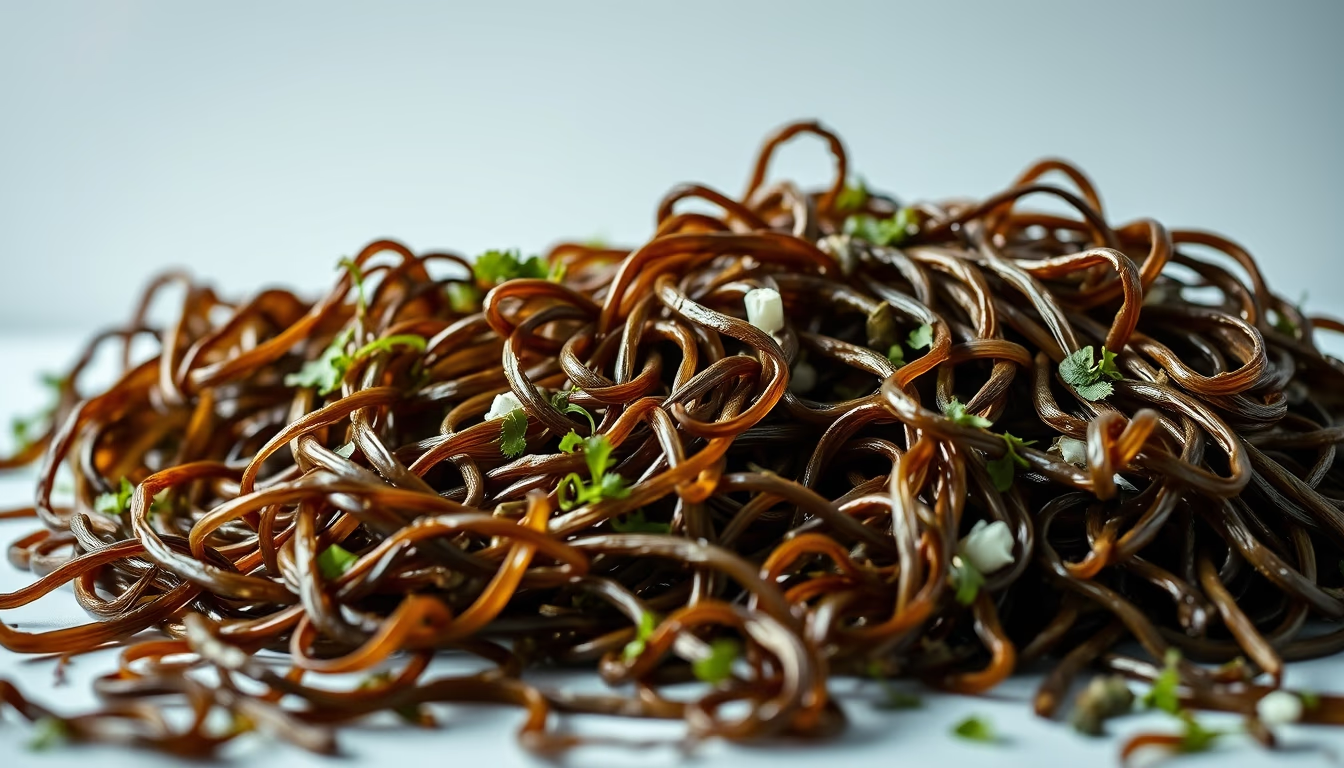
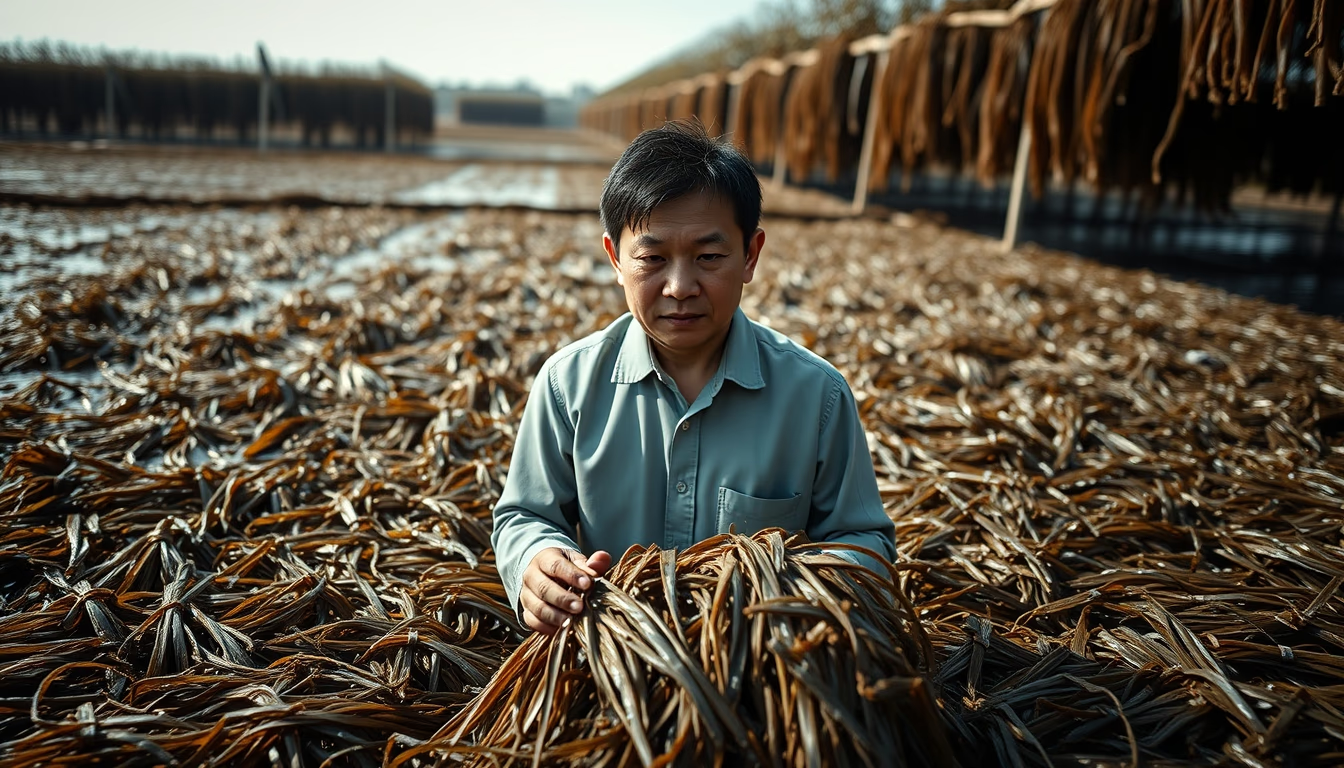
Seaweed farming in Asia blends ancient tradition with sustainable innovation, supplying food and pharmaceutical industries worldwide.
About this subject
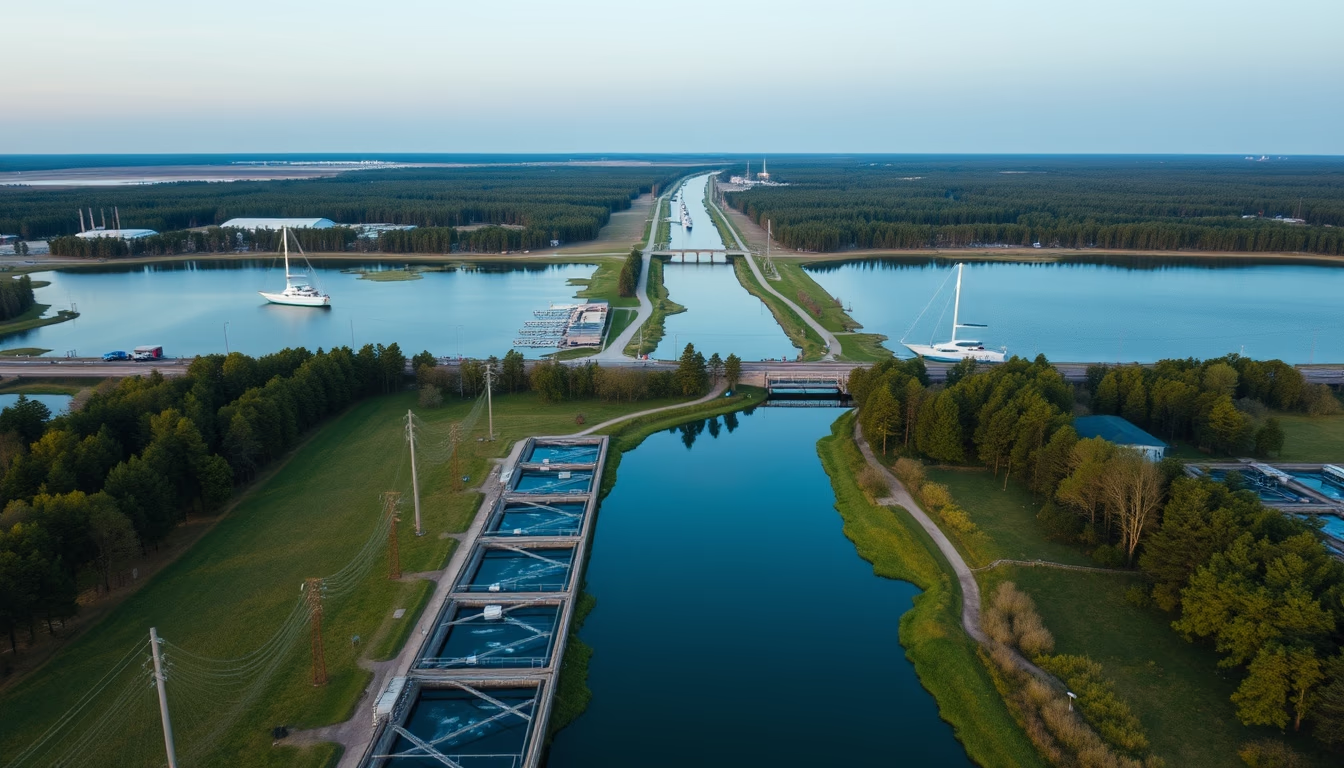
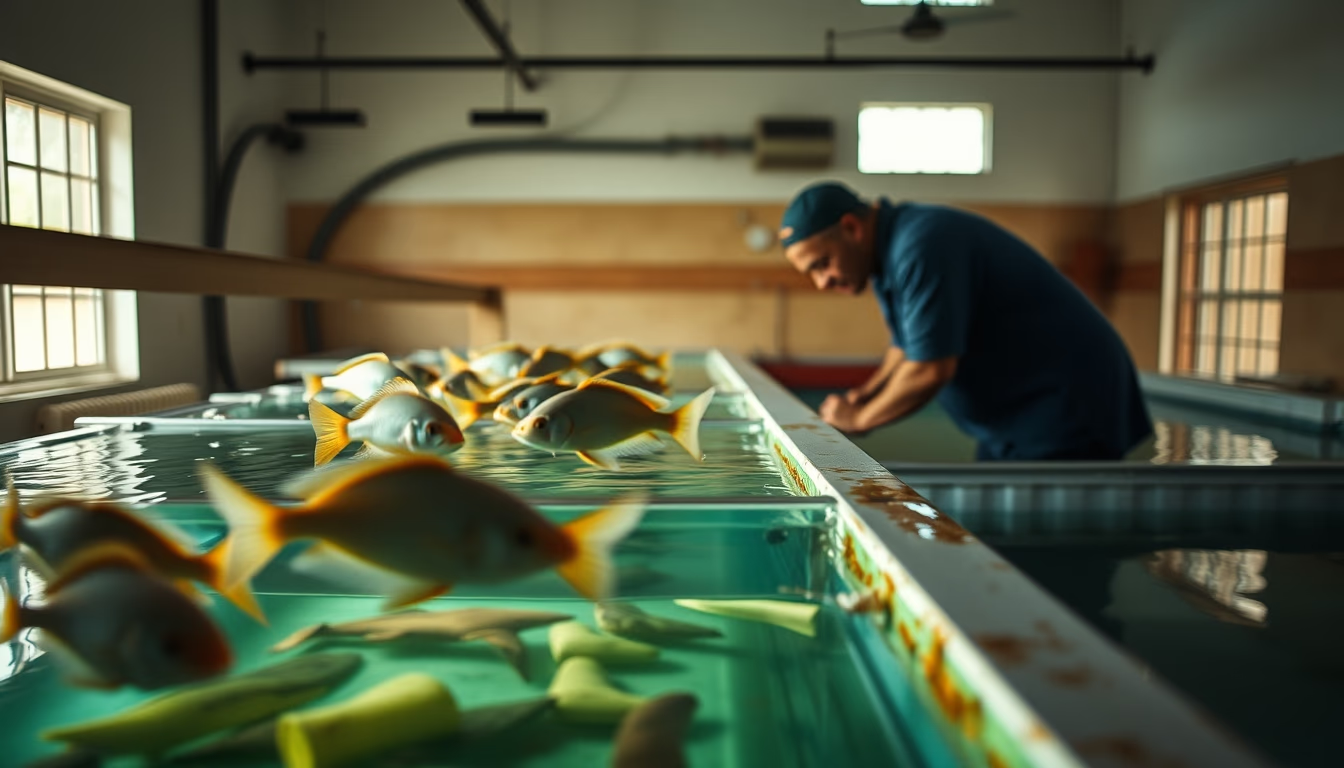
Seaweed aquaculture is a well-established activity in Asia, accounting for over 95% of global production. Leading countries include China, Indonesia, the Philippines, and South Korea, cultivating species such as nori (Porphyra), kombu (Saccharina japonica), and wakame (Undaria pinnatifida). These seaweeds are grown in sheltered coastal areas using floating structures like bamboo rafts, rope nets, or long lines anchored to the seabed. The cultivation cycle ranges from 45 to 90 days, depending on species and environmental conditions.
Economically, the industry generates millions of direct and indirect jobs, especially in coastal communities. In China, kombu production exceeds 10 million tons annually. Beyond human consumption, seaweeds are used to extract agar-agar, carrageenan, and alginate, ingredients for processed foods, pharmaceuticals, and cosmetics. Cultivation requires no fertilizers or freshwater, reducing environmental impact.
Environmentally, seaweed farms act as carbon sinks, absorbing CO₂ and mitigating ocean acidification. They also provide habitat for fish and invertebrates, enhancing local biodiversity. In regions like Indonesia, seaweed farming offers a sustainable alternative to overfishing, promoting food security and household income. Current research focuses on developing strains resistant to diseases and climate change, ensuring the sector's resilience.
Frequently Asked Questions
Which Asian countries lead seaweed production?
China, Indonesia, and the Philippines are the top producers, with China accounting for over half of global output.
How are seaweeds cultivated on marine farms?
Seaweeds are attached to ropes or nets suspended from floating bamboo or buoys, growing submerged in shallow coastal waters.
Why is seaweed farming considered sustainable?
Seaweeds absorb CO₂, require no fertilizers or freshwater, and provide marine habitat, while generating income without ecosystem degradation.
Direct URL
https://pub-c7d6a6ea828543ac903a74a341ccb2e1.r2.dev/imagens/seaweed-farm-asian-studio-still-life-fresh7.avifHow to credit
Include a visible link back to UtilizAí. Copy one of the snippets below:
<a href="https://xn--utiliza-eza.com/en/midia/imagens/seaweed-farm-asian-studio-still-life-fresh7">Seaweed farm asian</a> by <a href="https://xn--utiliza-eza.com">UtilizAí</a>, licensed under <a href="https://creativecommons.org/licenses/by/4.0/">CC BY 4.0</a>.
[Seaweed farm asian](https://xn--utiliza-eza.com/en/midia/imagens/seaweed-farm-asian-studio-still-life-fresh7) by [UtilizAí](https://xn--utiliza-eza.com), CC BY 4.0
License: CC-BY-4.0