Sculpture david michelangelo
1344×768 · AVIF · CC BY 4.0
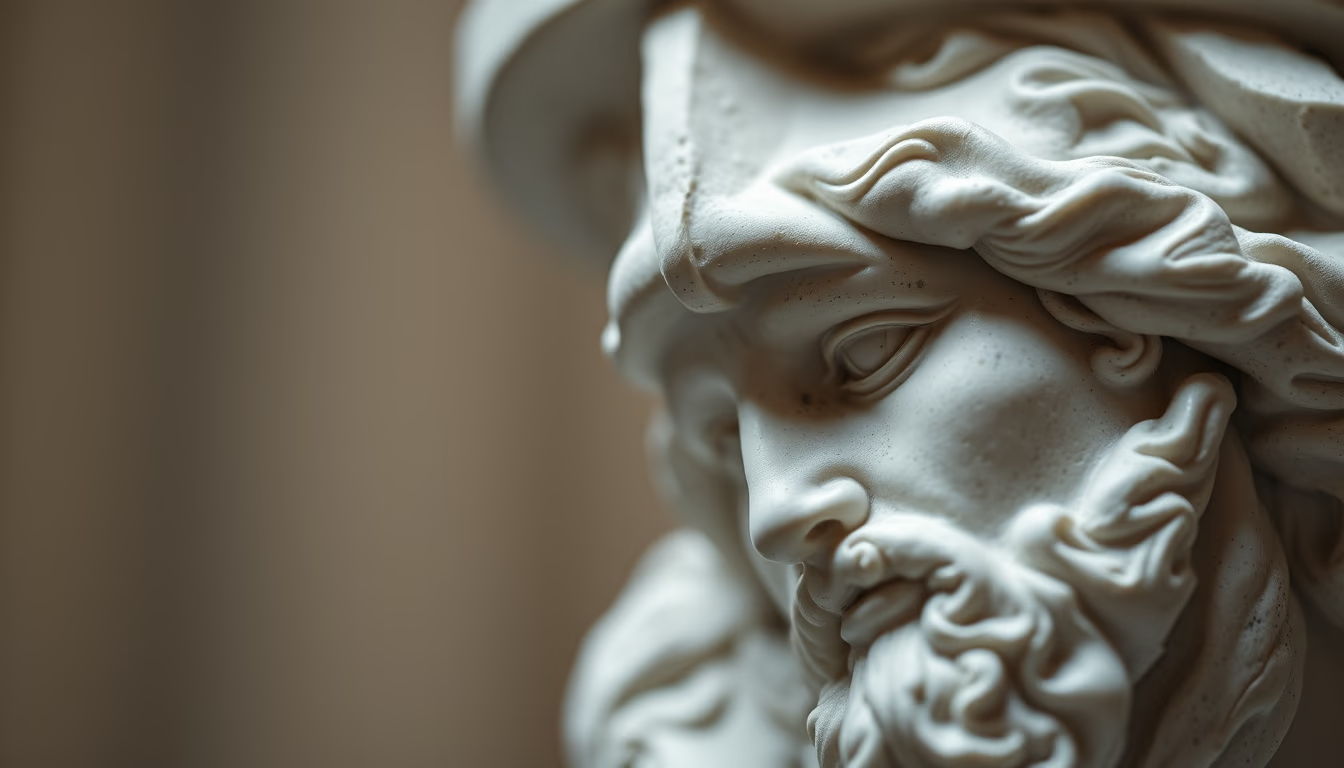
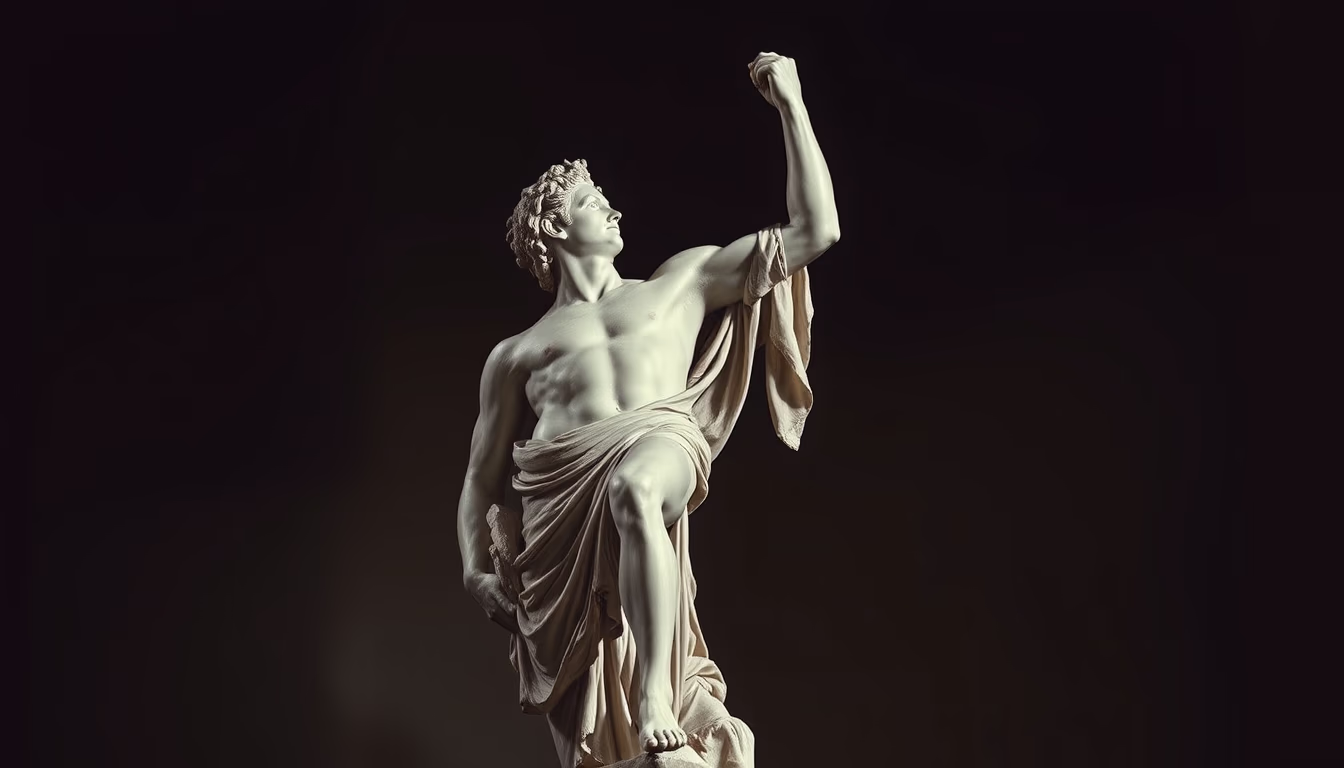
Michelangelo's David, a Renaissance marble masterpiece, depicts the biblical hero with ideal proportions and a tense expression.
About this subject
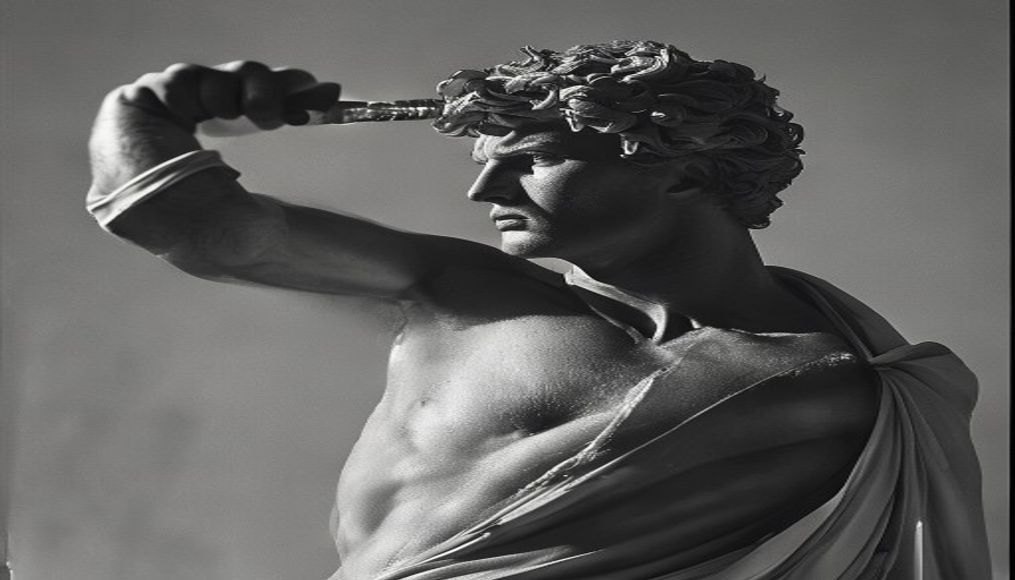
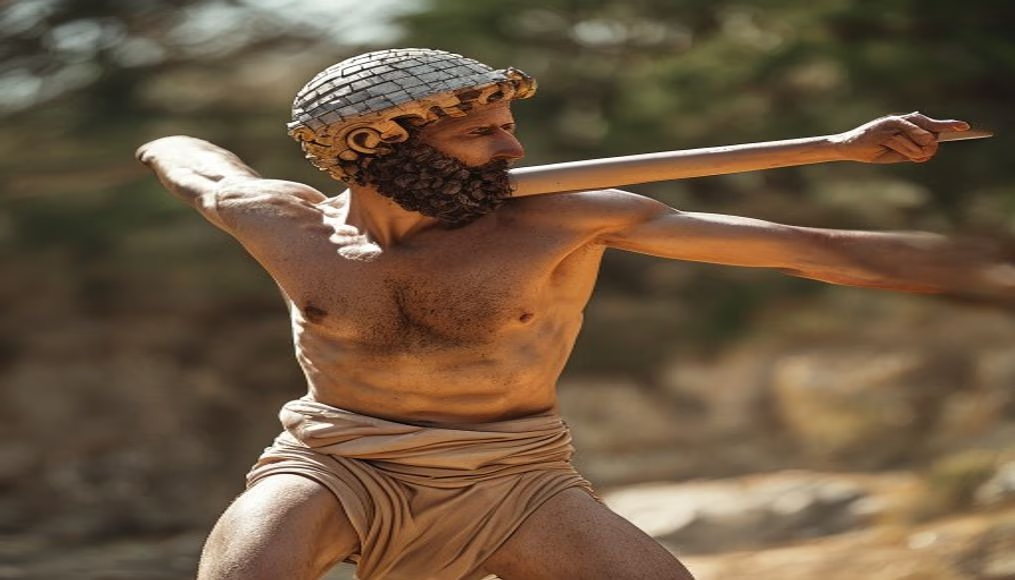
Michelangelo's David is one of the most iconic sculptures of the Italian Renaissance. Carved between 1501 and 1504 from white Carrara marble, the figure stands 5.17 meters tall and depicts the biblical hero David before his battle with Goliath. Unlike earlier representations, such as those by Donatello and Verrocchio, Michelangelo chose to show David in the moment of tension before the fight, with his body in contrapposto and his gaze focused, the sling resting on his shoulder.
The work was commissioned by the Opera del Duomo for the Cathedral of Santa Maria del Fiore in Florence but was eventually placed in the Piazza della Signoria as a symbol of the Florentine Republic. David represented courage and the defense of civil liberty against tyranny. In 1873, it was moved to the Galleria dell'Accademia to protect it from the elements, where it remains today. A plaster replica occupies the original location.
Technically, Michelangelo overcame the limitations of the marble block, which was thin and had been poorly worked by previous sculptors. He used the shape to create an elongated and elegant figure, with precise anatomical details such as the veins of the hands and tense musculature. The facial expression blends concentration and determination, capturing the crucial psychological moment of the biblical story.
Interestingly, David's right hand is disproportionately large, interpreted as a reference to the nickname “manu fortis” (strong hand) or to the strength needed to defeat the giant. The sculpture has suffered damage over the centuries, including a fracture in the left leg during riots in 1527 and vandalism in 1991 when a man broke one of the toes with a hammer.
Frequently Asked Questions
Why is David's right hand so large?
The disproportionately large hand is often explained as a reference to the nickname 'manu fortis' (strong hand) or as a symbol of the divine strength needed to defeat Goliath. It may also be a stylistic device to emphasize the gesture and tension of the moment.
Where is the original David by Michelangelo located?
The original is housed in the Galleria dell'Accademia in Florence since 1873. Previously, it stood in the Piazza della Signoria, where a plaster replica now stands.
What is the political meaning of Michelangelo's David?
The sculpture was adopted as a symbol of the Florentine Republic, representing courage and the defense of liberty against tyranny, alluding to Florence's struggle against its enemies.
Direct URL
https://pub-c7d6a6ea828543ac903a74a341ccb2e1.r2.dev/imagens/sculpture-david-michelangelo-macro-closeup-p8.avifHow to credit
Include a visible link back to UtilizAí. Copy one of the snippets below:
<a href="https://xn--utiliza-eza.com/en/midia/imagens/sculpture-david-michelangelo-macro-closeup-p8">Sculpture david michelangelo</a> by <a href="https://xn--utiliza-eza.com">UtilizAí</a>, licensed under <a href="https://creativecommons.org/licenses/by/4.0/">CC BY 4.0</a>.
[Sculpture david michelangelo](https://xn--utiliza-eza.com/en/midia/imagens/sculpture-david-michelangelo-macro-closeup-p8) by [UtilizAí](https://xn--utiliza-eza.com), CC BY 4.0
License: CC-BY-4.0