Salmon farm offshore
1344×768 · AVIF · CC BY 4.0
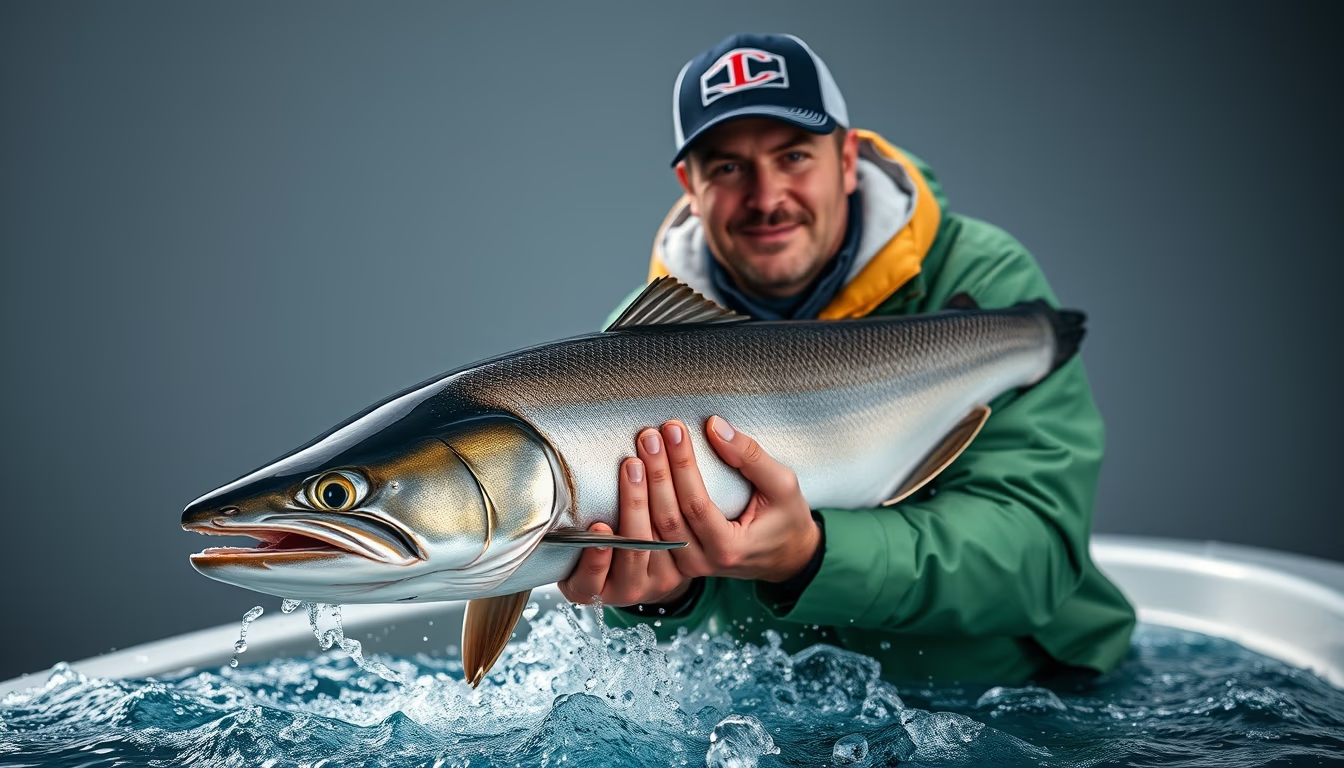
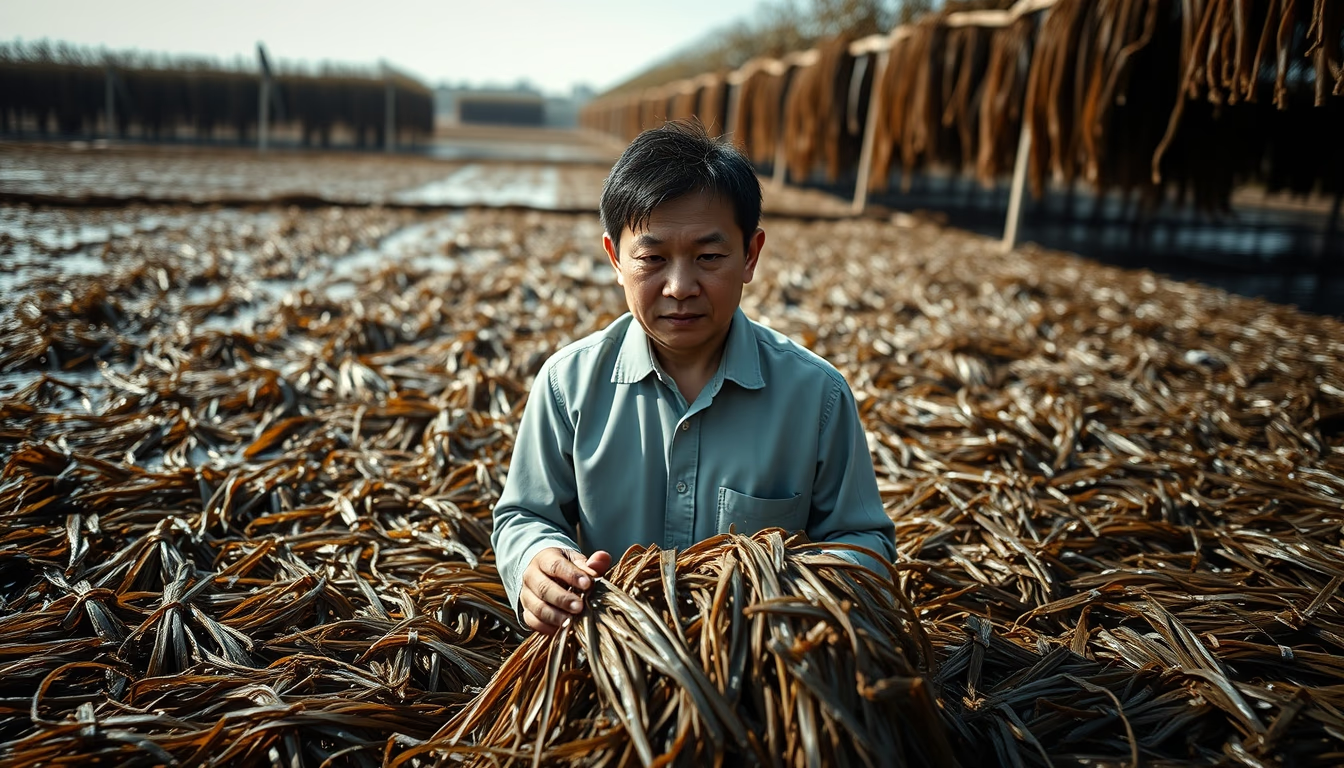
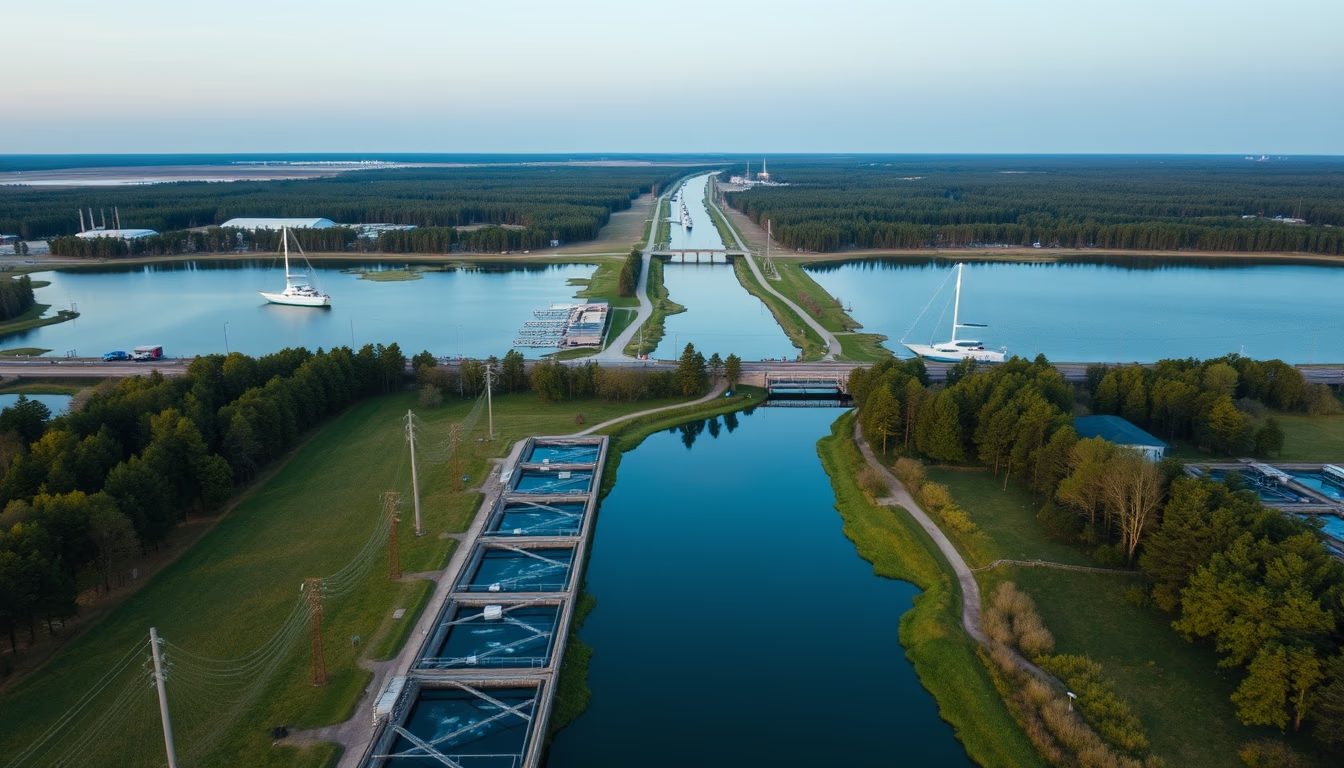
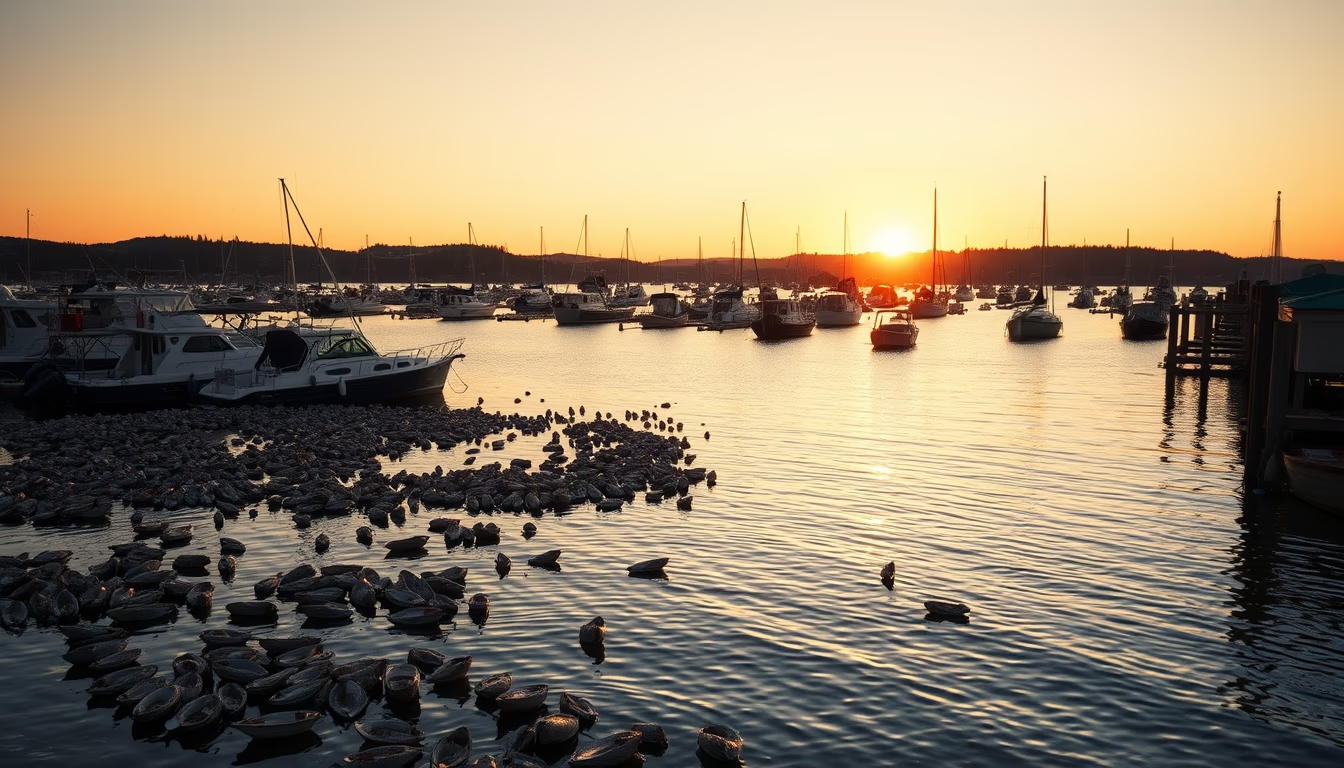
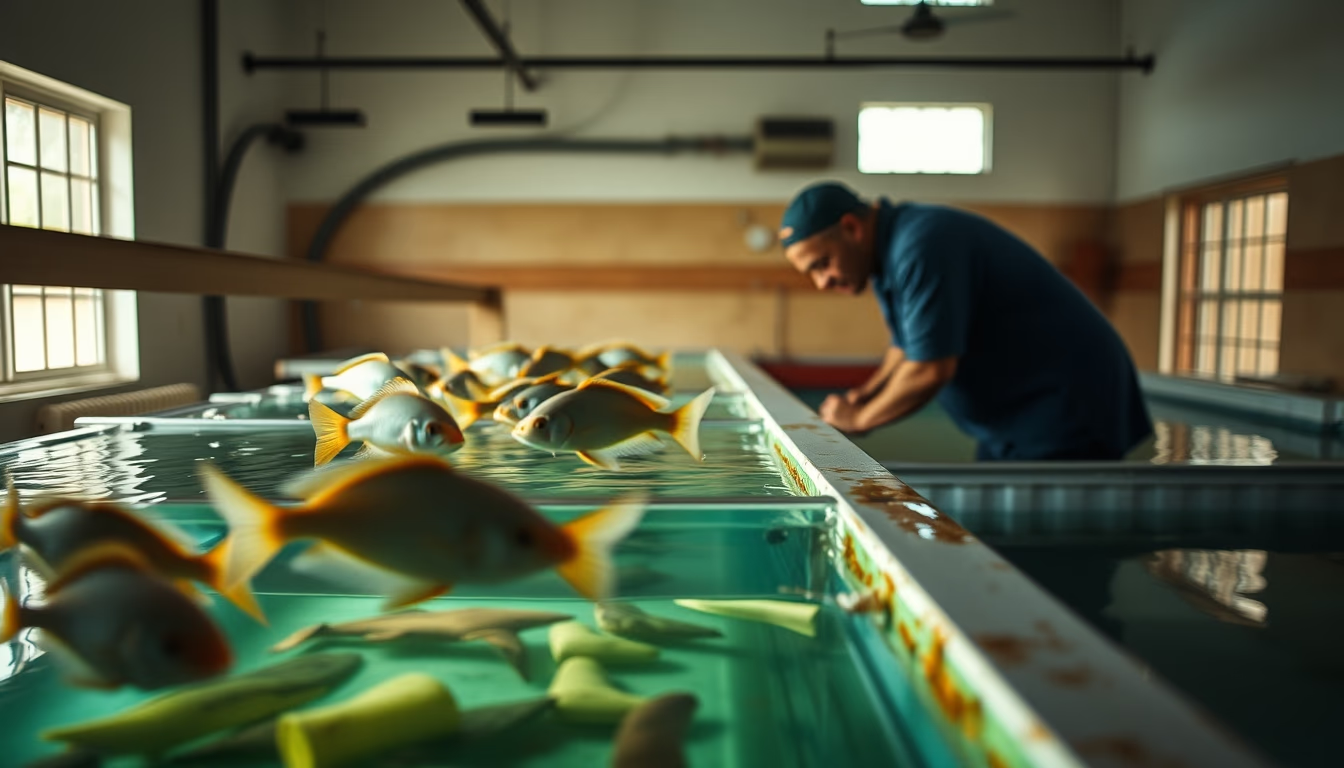
Offshore salmon farming expands salmon aquaculture to open ocean, using innovative technology to withstand harsh conditions and boost sustainable production.
About this subject
Offshore salmon farming is an evolution of traditional salmon aquaculture, moving operations from sheltered coastal areas to the open ocean. This approach aims to overcome limitations such as scarcity of suitable spaces in fjords and bays, and to reduce local environmental impacts like waste accumulation and fish escapes. Offshore farms use robust structures, such as submersible or semi-submersible cages anchored to the seabed, designed to withstand high waves and strong currents. Automated feeding systems and remote monitoring enable precise control of fish conditions and water quality, even in distant locations.
Countries like Norway, Chile, and Canada have heavily invested in this technology, with pilot projects already demonstrating technical feasibility. In Norway, for instance, Ocean Farming AS operates the Ocean Farm 1, a 68-meter diameter cage in the Norwegian Sea. These ventures aim to increase global salmon production, currently around 2.5 million tons per year, without further pressure on coastal ecosystems. However, offshore salmon farming faces significant challenges: high construction and maintenance costs, complex logistics for feeding and harvesting, and risks of storms damaging structures. Fish health in oceanic environments requires vaccines and rigorous management to prevent diseases like sea lice.
From an environmental perspective, offshore farming may offer benefits such as greater waste dilution and reduced interaction with sensitive coastal habitats. But uncertainties remain about long-term impacts, including predator attraction and potential parasite spread. Technology continues to evolve, with research into stronger materials and safer containment systems. The sustainability of this activity depends on strict regulations and adaptive management practices for each region. Offshore salmon farming represents a promising frontier for global aquaculture, combining ocean engineering and marine biology to meet the growing demand for high-quality protein.
Frequently Asked Questions
Why is offshore salmon farming considered more sustainable than coastal farming?
It reduces local impacts like waste accumulation and escapes, as ocean currents disperse pollutants. It also avoids occupying sensitive coastal areas such as fjords and estuaries, which are critical habitats for other species.
What are the main technical challenges of offshore operations?
Key challenges include high structural strength to withstand waves and currents, complex logistics for feeding and harvesting, and the need for reliable remote monitoring. Additionally, high construction and maintenance costs are significant barriers.
Which countries are leading offshore salmon production?
Norway, Chile, and Canada are at the forefront, with pilot projects like Ocean Farm 1 in Norway and initiatives in Chile and Canada. Scotland has also been exploring the technology in the North Sea.
Direct URL
https://pub-c7d6a6ea828543ac903a74a341ccb2e1.r2.dev/imagens/salmon-farm-offshore-studio-editorial-portrait-fresh2.avifHow to credit
Include a visible link back to UtilizAí. Copy one of the snippets below:
<a href="https://xn--utiliza-eza.com/en/midia/imagens/salmon-farm-offshore-studio-editorial-portrait-fresh2">Salmon farm offshore</a> by <a href="https://xn--utiliza-eza.com">UtilizAí</a>, licensed under <a href="https://creativecommons.org/licenses/by/4.0/">CC BY 4.0</a>.
[Salmon farm offshore](https://xn--utiliza-eza.com/en/midia/imagens/salmon-farm-offshore-studio-editorial-portrait-fresh2) by [UtilizAí](https://xn--utiliza-eza.com), CC BY 4.0
License: CC-BY-4.0