Rv camper road trip
1344×768 · AVIF · CC BY 4.0
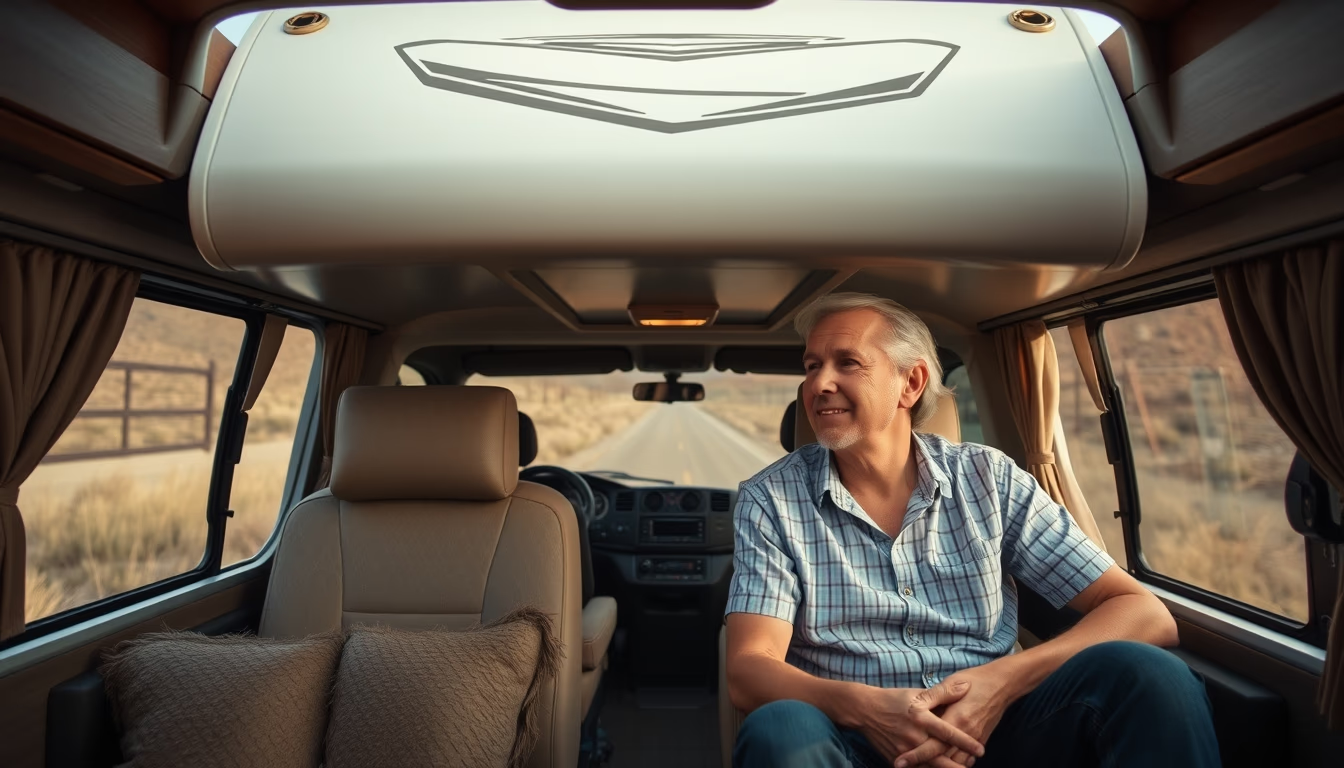
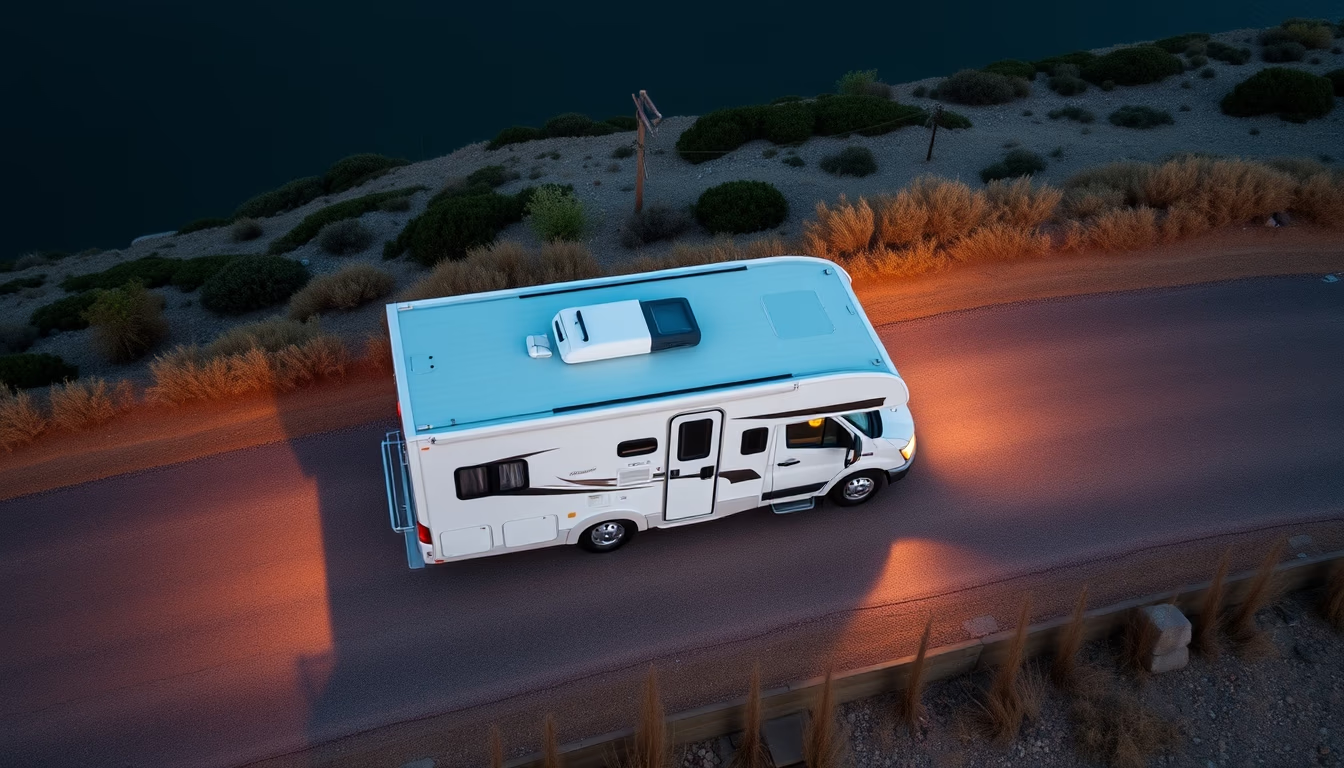
Van or motorhome trips around the world represent a nomadic lifestyle gaining more followers, combining freedom, affordability, and connection with nature.
About this subject
RV (Recreational Vehicle) or motorhome travel has become a global cultural phenomenon, especially in North America, Europe, and Australia. In the United States, Route 66 is an icon of this lifestyle, but countries like Canada, New Zealand, and Brazil also offer scenic routes that attract travelers. The freedom to wake up in a different landscape each day, without relying on hotels or fixed schedules, is the main appeal. Many opt for adapted vans, such as the classic Volkswagen Kombi, or fully equipped motorhomes with kitchen and bathroom. Costs can be lower than traditional travel, especially for families or groups, as it eliminates accommodation and dining expenses.
The "van life" culture has exploded on social media, with influencers documenting remote work routines in paradisiacal locations. However, the practice involves real challenges: vehicle maintenance, water and energy management, and compliance with parking and camping regulations. Countries like France have specific service areas for motorhomes, while in the United States the Bureau of Land Management (BLM) allows wild camping on public lands. Sustainability is also a growing concern, with many travelers adopting solar panels and composting systems.
In Brazil, motorhome tourism is growing, driven by destinations such as Serra Gaúcha, the northeastern coast, and the Pantanal. Route 101, connecting the South to the Northeast, is popular among adventurers. Unlike the US, where giant motorhomes are common, Brazil favors smaller models like kombis and trailers due to road conditions and traffic laws. Events like the National Motorhome Meeting bring enthusiasts together to exchange experiences and itineraries.
Frequently Asked Questions
What are the main advantages of traveling by motorhome?
Freedom of schedule and destinations, savings on accommodation and food, and greater contact with nature. It allows you to bring personal belongings, cook, and wake up in stunning locations.
Do I need a special driver's license to drive a motorhome?
It depends on the weight and size of the vehicle. In Brazil, motorhomes with a gross weight over 3.5 tons require category C or D. In the US, most only require a regular license, but some states require an endorsement for larger vehicles.
Where can I park and sleep overnight in a motorhome?
There are campgrounds, motorhome service areas (as in Europe), and wild camping on public lands (BLM in the US). In Brazil, parking is allowed in designated spots, but prohibited in urban areas without authorization.
Direct URL
https://pub-c7d6a6ea828543ac903a74a341ccb2e1.r2.dev/imagens/rv-camper-road-trip-documentary-photography-p3.avifHow to credit
Include a visible link back to UtilizAí. Copy one of the snippets below:
<a href="https://xn--utiliza-eza.com/en/midia/imagens/rv-camper-road-trip-documentary-photography-p3">Rv camper road trip</a> by <a href="https://xn--utiliza-eza.com">UtilizAí</a>, licensed under <a href="https://creativecommons.org/licenses/by/4.0/">CC BY 4.0</a>.
[Rv camper road trip](https://xn--utiliza-eza.com/en/midia/imagens/rv-camper-road-trip-documentary-photography-p3) by [UtilizAí](https://xn--utiliza-eza.com), CC BY 4.0
License: CC-BY-4.0