Running shoes on track
1344×768 · AVIF · CC BY 4.0
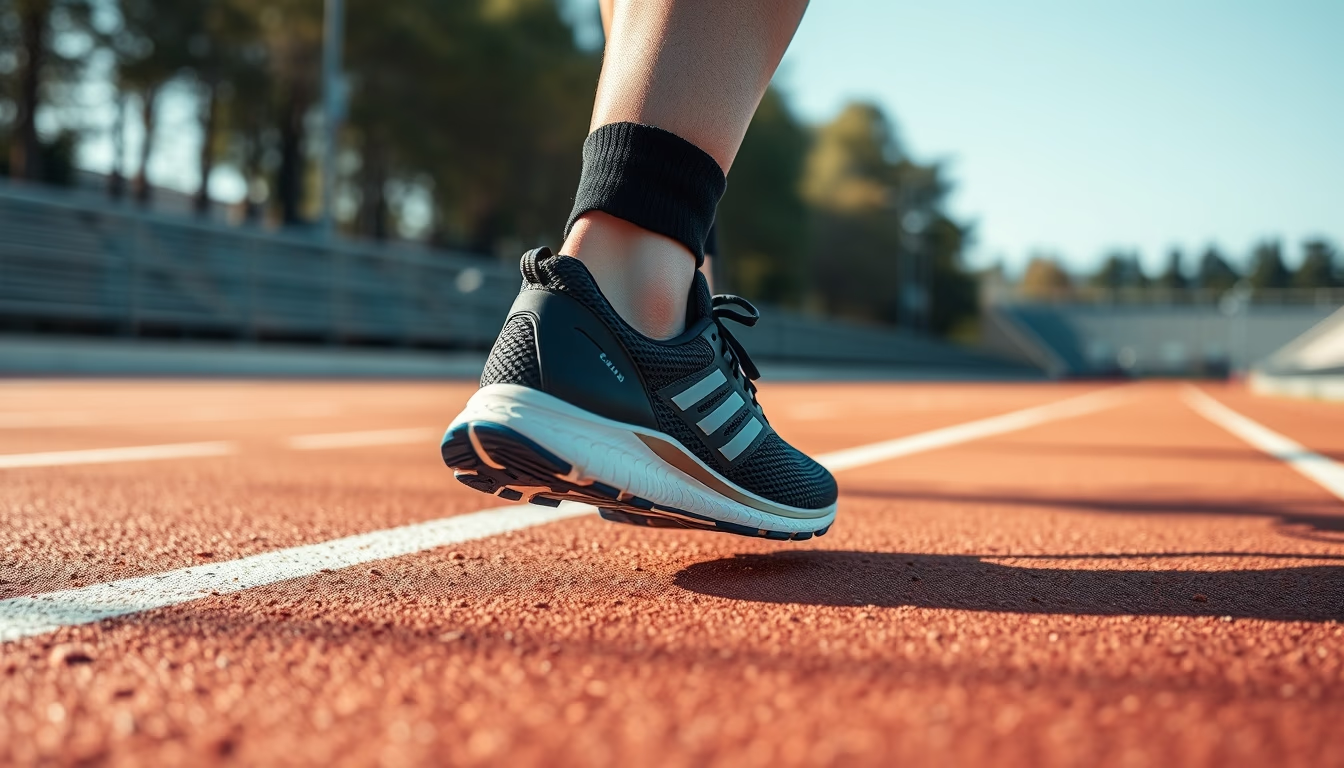
Tênis de corrida sobre pista atlética: equipamento essencial para atletas de alto rendimento e amadores, combinando tecnologia e minimalismo.
Sobre o tema
Os tênis de corrida evoluíram significativamente desde os primeiros modelos de lona e borracha. Hoje, incorporam espumas reativas como Nike React e Adidas Boost, além de placas de carbono que aumentam a eficiência da passada. A tendência minimalista, inspirada na corrida descalça, reduziu o drop e o peso, promovendo uma pisada mais natural. Marcas como Vibram FiveFingers e modelos barefoot ganharam espaço entre corredores que buscam fortalecer a musculatura do pé.
A pista de atletismo, geralmente feita de poliuretano ou borracha sintética, proporciona amortecimento controlado e aderência ideal para treinos de velocidade e provas oficiais. Superfícies como a pista vermelha do Estádio Olímpico de Tóquio são projetadas para maximizar o retorno de energia. Para os atletas, a escolha do tênis depende do tipo de pista: modelos com cravos são comuns em provas de campo, enquanto tênis de treino priorizam durabilidade.
O design minimalista nos calçados esportivos reflete a busca por eficiência e contato com o solo. Modelos com drop zero, como o Nike Free, e solas finas, como o Merrell Vapor Glove, estimulam a biomecânica natural. No entanto, a transição deve ser gradual para evitar lesões. Estudos mostram que corredores minimalistas tendem a ter menor frequência de lesões no joelho, mas maior incidência de problemas no calcanhar.
A manutenção dos tênis é crucial: a espuma perde capacidade de amortecimento após cerca de 500 km, e a pista sintética acelera o desgaste da sola. Corredores devem alternar pares e substituir o calçado regularmente para evitar impactos excessivos. A escolha entre modelos tradicionais e minimalistas depende do objetivo: provas de longa distância favorecem amortecimento, enquanto treinos de pista exigem resposta rápida.
Perguntas frequentes
O que é um tênis de corrida minimalista?
É um modelo com pouco amortecimento e drop baixo ou zero, que simula a corrida descalço, estimulando a pisada natural e fortalecendo os músculos do pé.
Qual a diferença entre pista sintética e asfalto para corrida?
A pista sintética oferece mais amortecimento e aderência, reduzindo o impacto nas articulações. O asfalto é mais duro e exige tênis com maior absorção de choque.
Como escolher o tênis ideal para treinos em pista?
Considere o tipo de pisada (pronada, supinada ou neutra), a distância percorrida e a preferência por amortecimento ou resposta rápida. Tênis leves e com boa tração são indicados para pista.
URL direta
https://pub-c7d6a6ea828543ac903a74a341ccb2e1.r2.dev/imagens/running-shoes-on-track-minimalist-composition-p3.avifComo creditar
Inclua um link visível de volta pro UtilizAí. Copie um dos snippets abaixo:
<a href="https://xn--utiliza-eza.com/midia/imagens/running-shoes-on-track-minimalist-composition-p3">Running shoes on track</a> by <a href="https://xn--utiliza-eza.com">UtilizAí</a>, licensed under <a href="https://creativecommons.org/licenses/by/4.0/">CC BY 4.0</a>.
[Running shoes on track](https://xn--utiliza-eza.com/midia/imagens/running-shoes-on-track-minimalist-composition-p3) by [UtilizAí](https://xn--utiliza-eza.com), CC BY 4.0
Licença: CC-BY-4.0