Ruby red gemstone
1344×768 · AVIF · CC BY 4.0
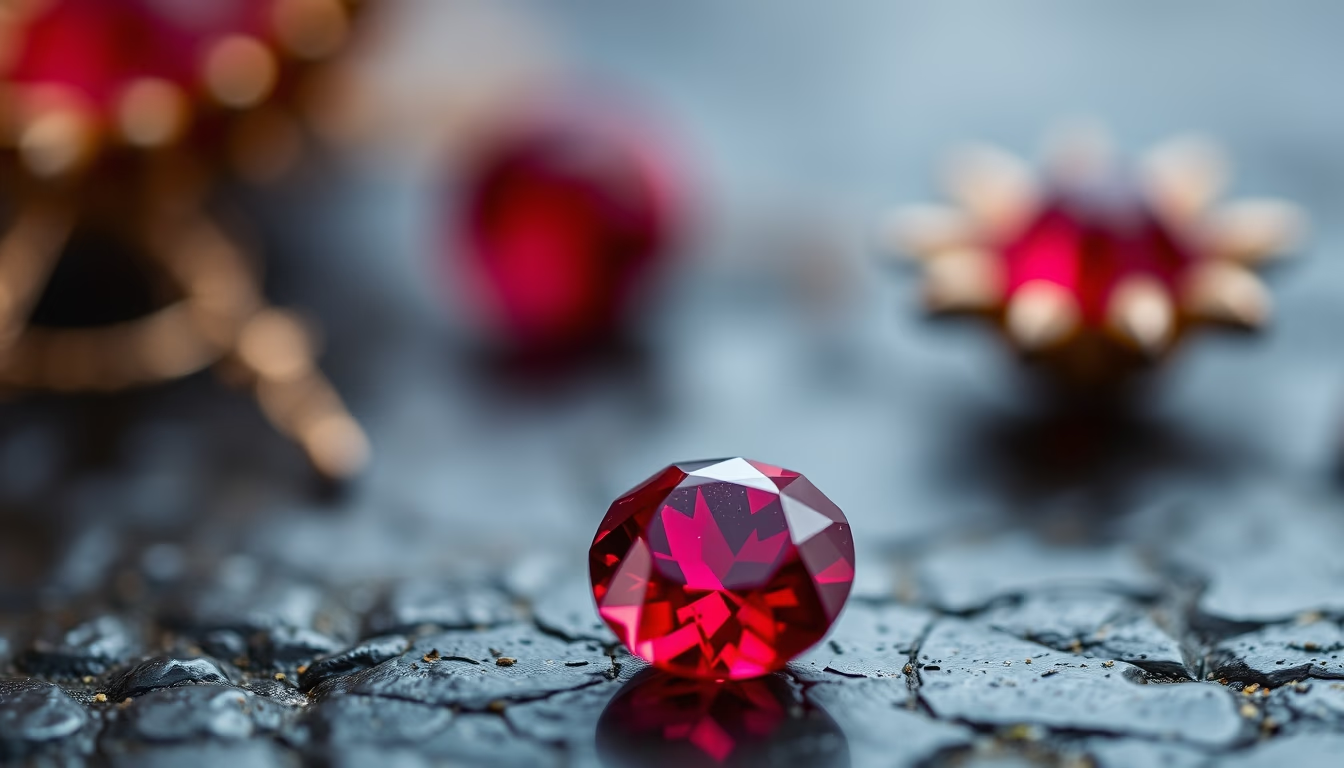
Ruby is a red variety of the mineral corundum, one of the most valuable gemstones in the world, known for its hardness and intense color.
About this subject
Ruby is a variety of the mineral corundum, composed of aluminum oxide. Its characteristic red color is caused by trace amounts of chromium in the crystal structure. With a hardness of 9 on the Mohs scale, it is the second hardest gemstone after diamond, making it ideal for everyday jewelry. Historically, ruby is known as the 'king of gemstones' and has been mentioned in ancient texts as a symbol of passion and power.
The most famous ruby deposits are in Mogok, Myanmar, where specimens of 'pigeon's blood' color are found, the most prized. Other important sources include Thailand, Sri Lanka, and Tanzania, especially the Monte Maria region. Each locality produces rubies with distinct hues and inclusions. Traditional mining in Myanmar is done manually, and high-quality rubies are extremely rare.
Ruby quality is assessed by four criteria: color, clarity, cut, and carat weight. Color is the most important factor, with preference for vivid, saturated red without brownish or orange tones. Natural untreated rubies are very rare; most undergo heat treatment to improve color and reduce inclusions. One of the most famous rubies is the 25.59-carat 'Estrela' sold for about 30 million dollars at auction.
Culturally, ruby is the stone of love, passion, and protection. It is the traditional gem for the 40th wedding anniversary. Beyond jewelry, ruby was used in the first ruby laser invented in 1960, which has applications in medicine and technology. Its beauty and durability continue to fascinate collectors and enthusiasts worldwide.
Frequently Asked Questions
What is the difference between ruby and sapphire?
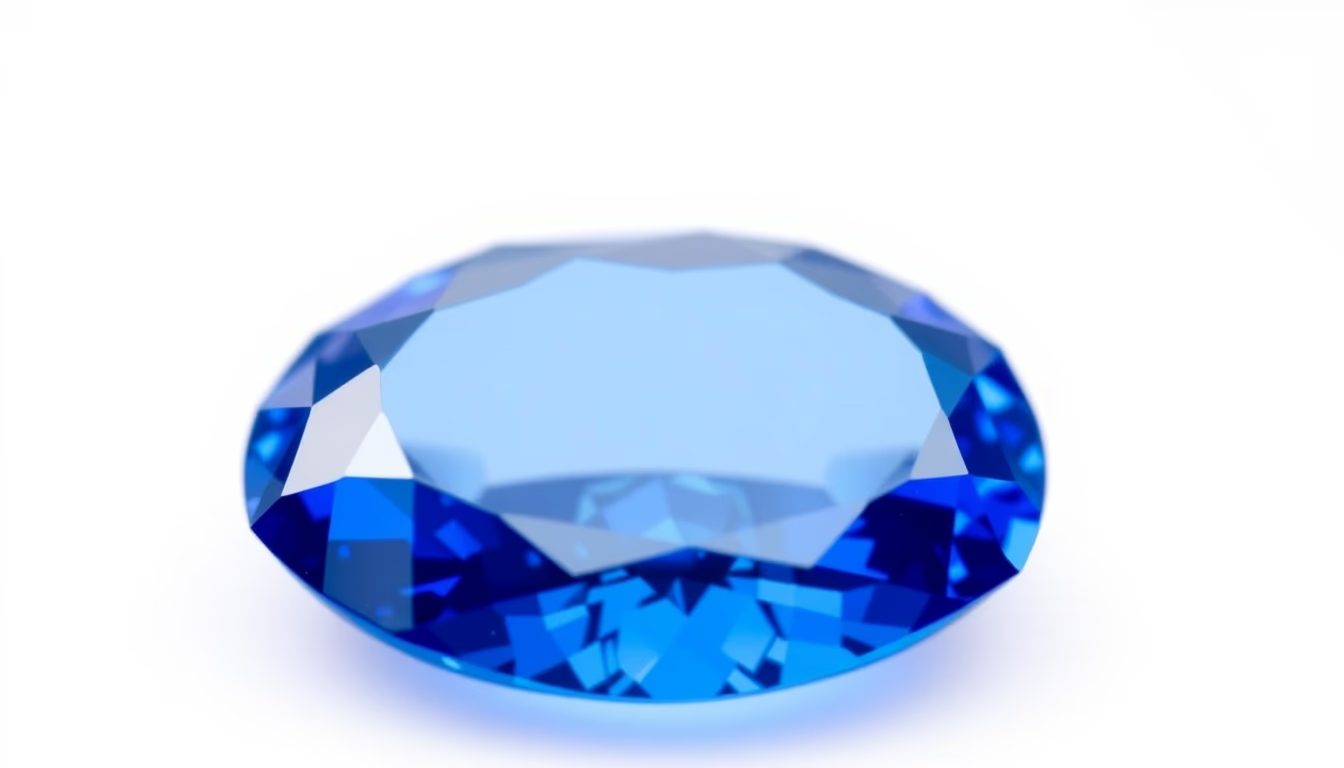
Rubies and sapphires are both corundum. The difference is color: rubies are specifically red, while sapphires can be any other color, such as blue, pink, yellow, or green.
How can you tell if a ruby is real?
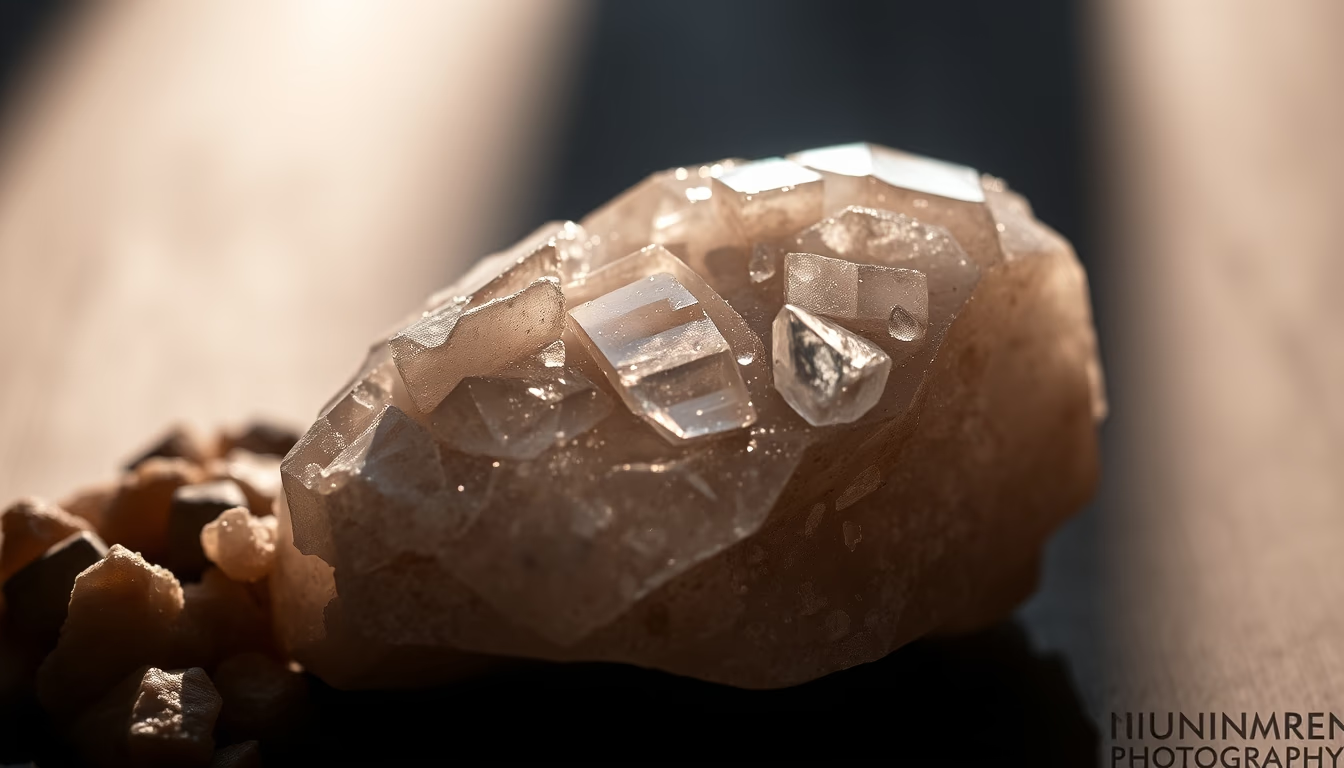
Characteristics like hardness (scratches glass), typical inclusions (silk), red fluorescence under UV light, and density help. However, the safest way is to consult a gemologist and obtain a certificate from a reputable laboratory.
Do treated rubies lose value?
Yes, value decreases depending on the type of treatment. Heat treatment is accepted in the market but reduces value compared to natural untreated rubies. Fracture filling treatments (like glass) lower value even more and affect durability.
Direct URL
https://pub-c7d6a6ea828543ac903a74a341ccb2e1.r2.dev/imagens/ruby-red-gemstone-tilt-shift-miniature-p3.avifHow to credit
Include a visible link back to UtilizAí. Copy one of the snippets below:
<a href="https://xn--utiliza-eza.com/en/midia/imagens/ruby-red-gemstone-tilt-shift-miniature-p3">Ruby red gemstone</a> by <a href="https://xn--utiliza-eza.com">UtilizAí</a>, licensed under <a href="https://creativecommons.org/licenses/by/4.0/">CC BY 4.0</a>.
[Ruby red gemstone](https://xn--utiliza-eza.com/en/midia/imagens/ruby-red-gemstone-tilt-shift-miniature-p3) by [UtilizAí](https://xn--utiliza-eza.com), CC BY 4.0
License: CC-BY-4.0