Rodin thinker statue
1344×768 · AVIF · CC BY 4.0
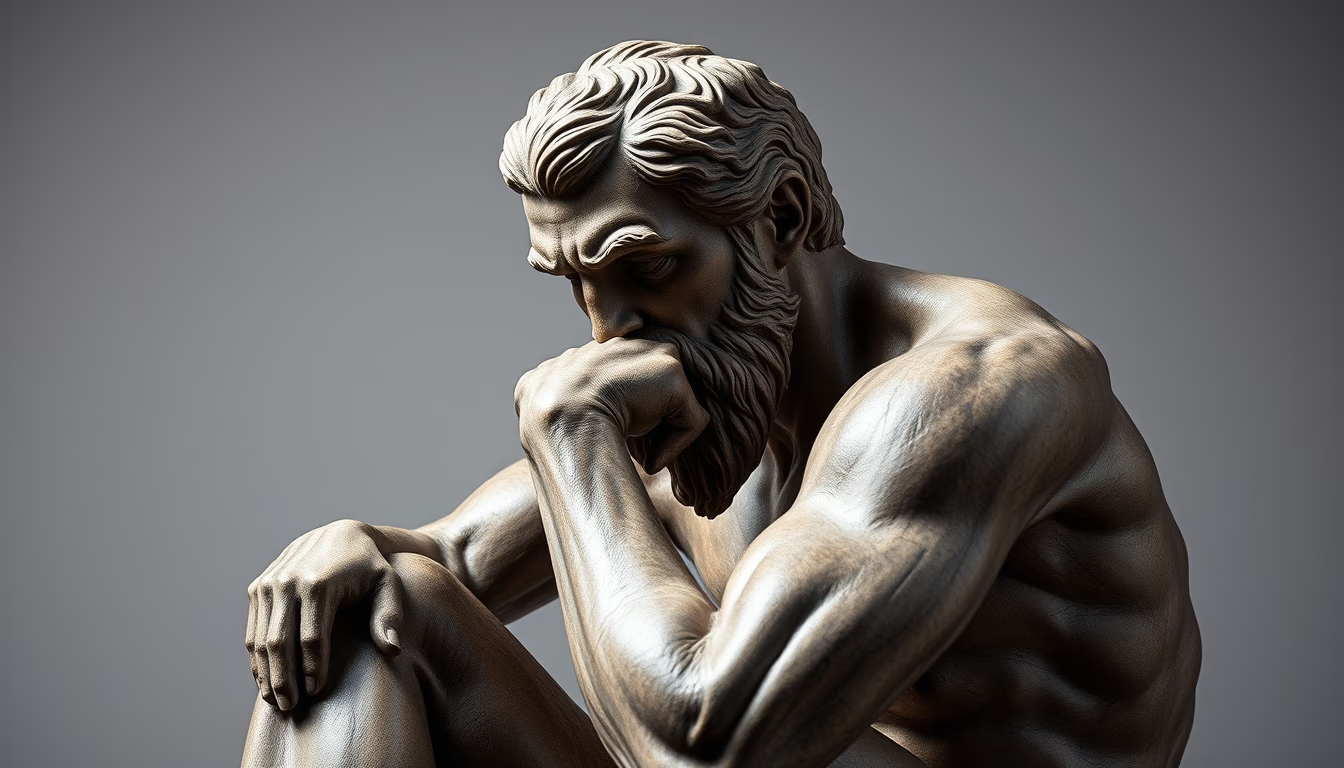
Rodin's The Thinker is one of the world's most iconic sculptures, symbolizing introspection and philosophy.
About this subject
The Thinker (Le Penseur) is a bronze sculpture created by French artist Auguste Rodin between 1880 and 1882. Originally conceived as part of a larger work called The Gates of Hell, inspired by Dante Alighieri's Divine Comedy, the figure represents Dante before the gates of hell, pondering his epic poem. The sculpture stands approximately 1.89 meters tall and depicts a nude man seated on a rock, with his chin resting on his hand, a posture that has become universally associated with deep thought.
Rodin created several versions of The Thinker in different sizes, and the piece was first exhibited in 1888 in Copenhagen. Today, original casts are housed in museums around the world, including the Rodin Museum in Paris and the Museum of Modern Art in New York. The sculpture has transcended its original context to become a symbol of philosophy, art, and the human condition. Interestingly, Rodin drew inspiration from Michelangelo's works, particularly the statue of Lorenzo de' Medici, as well as classical pieces like the Belvedere Torso.
Although often interpreted as an abstract thinker, the Thinker's pose is rooted in Rodin's meticulous observation of muscular tension and facial expression. The tense body and concentrated countenance convey a sense of suffering and profound contemplation. The work generated controversy at the time for its realism and nudity, but it was quickly hailed as a masterpiece of the Realist movement and a precursor to modernist sculpture.
Frequently Asked Questions
How many versions of The Thinker exist?
Rodin created multiple versions, including about 28 bronze casts and several plaster models. Copies are housed in museums such as the Rodin Museum in Paris and the Metropolitan Museum of Art in New York.
What inspired the pose of The Thinker?
The pose reflects the influence of Michelangelo, particularly the statue of Lorenzo de' Medici, as well as the Belvedere Torso. Rodin studied muscular tension to convey a state of deep reflection.
Was The Thinker part of a larger work?
Yes, it was originally a figure on the top of The Gates of Hell, a sculptural portal inspired by Dante's Divine Comedy, representing Dante meditating on his work.
Direct URL
https://pub-c7d6a6ea828543ac903a74a341ccb2e1.r2.dev/imagens/rodin-thinker-statue-studio-editorial-portrait-p4.avifHow to credit
Include a visible link back to UtilizAí. Copy one of the snippets below:
<a href="https://xn--utiliza-eza.com/en/midia/imagens/rodin-thinker-statue-studio-editorial-portrait-p4">Rodin thinker statue</a> by <a href="https://xn--utiliza-eza.com">UtilizAí</a>, licensed under <a href="https://creativecommons.org/licenses/by/4.0/">CC BY 4.0</a>.
[Rodin thinker statue](https://xn--utiliza-eza.com/en/midia/imagens/rodin-thinker-statue-studio-editorial-portrait-p4) by [UtilizAí](https://xn--utiliza-eza.com), CC BY 4.0
License: CC-BY-4.0