Rock garden raked patterns
1344×768 · AVIF · CC BY 4.0
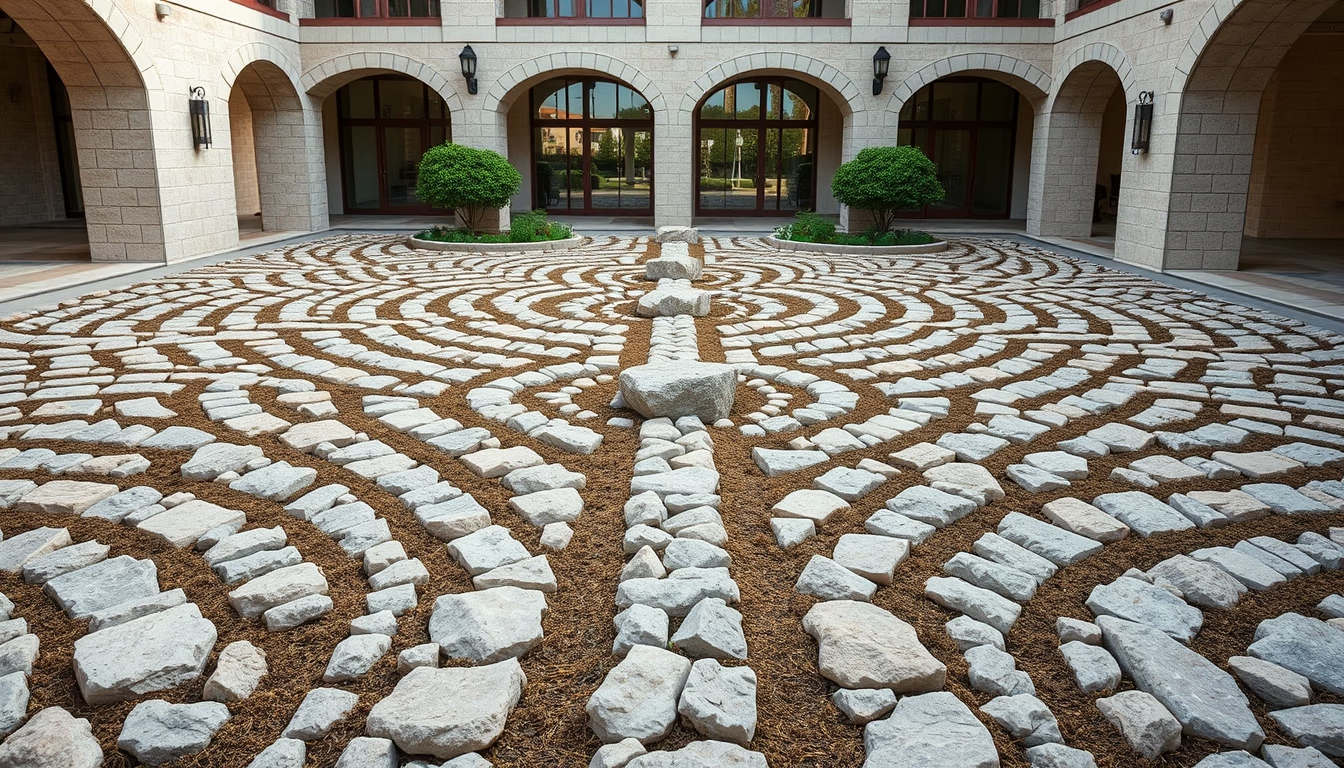
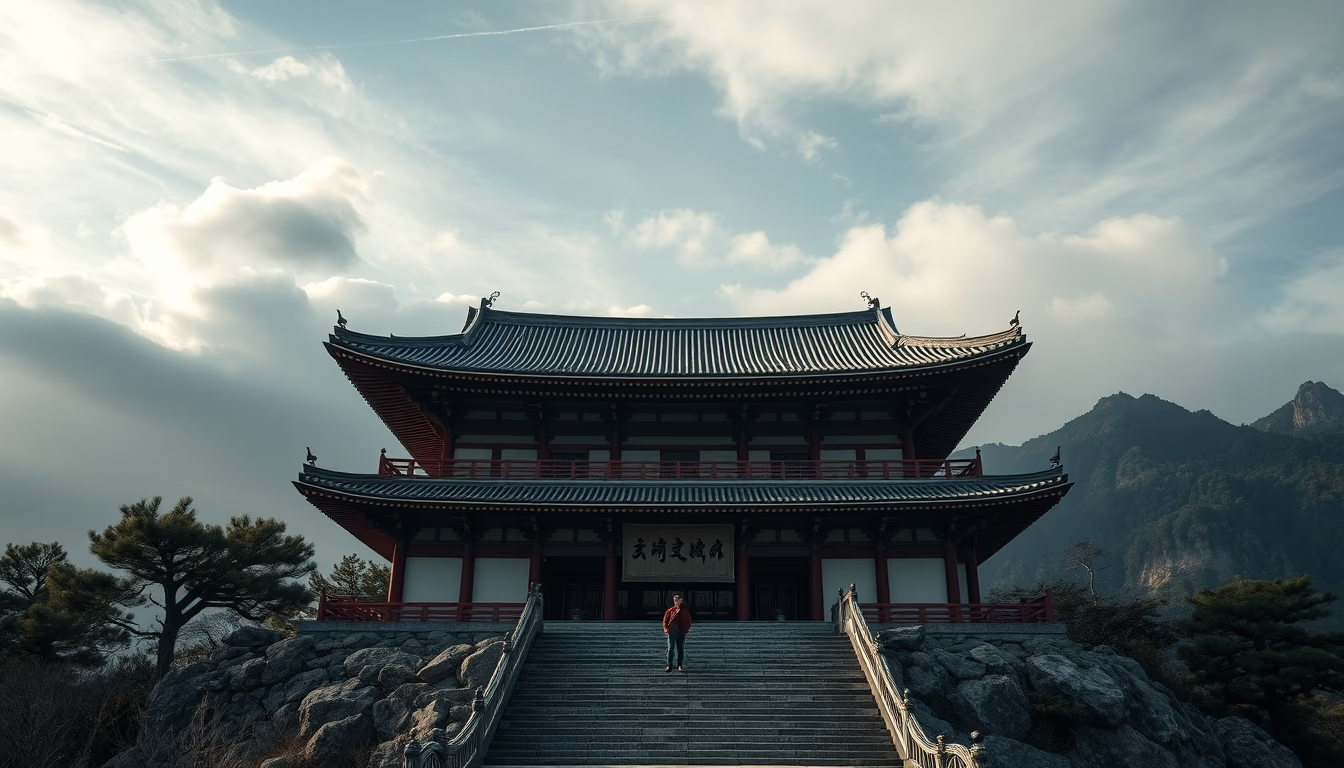
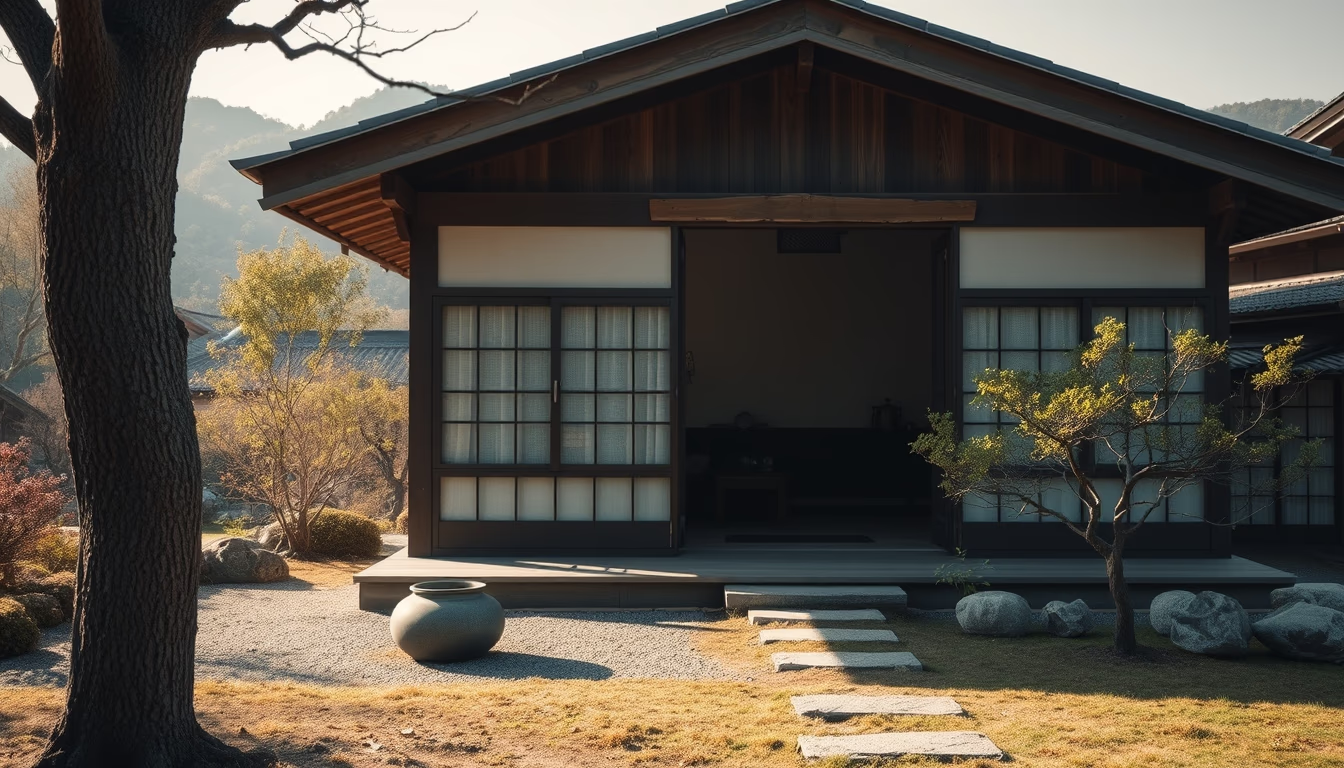
The swirling patterns raked into Japanese Zen rock gardens represent water waves and symbolize meditation on the impermanent nature of the universe.
About this subject
Japanese rock gardens, known as karesansui, are an art form dating back to the Muromachi period (14th-16th centuries). Created by Zen Buddhist monks, these dry landscapes use gravel or fine sand to represent water, while larger stones symbolize islands or mountains. The act of raking patterns is not merely aesthetic but a meditative practice requiring full concentration, reflecting the Zen philosophy of living in the present moment.
Raking techniques vary by desired effect. Parallel waves suggest a calm river, concentric circles evoke ripples around an island, and straight lines represent stillness. Specialized tools, such as wide-toothed rakes, create uniform grooves. Daily upkeep is essential, with monks often spending hours rearranging patterns, which are inherently ephemeral.
Culturally, rock gardens are spaces for contemplation, designed to be viewed from a single point, such as the Ryoan-ji temple in Kyoto, a UNESCO World Heritage Site. They embody wabi-sabi, the beauty of imperfection and transience. Each pattern carries symbolic meaning: raked waves invite reflection on life's flow and acceptance of change.
Today, these gardens inspire landscape designers worldwide, adapting to contemporary spaces. While originally confined to temples, smaller versions appear in homes and parks, always retaining the essence of tranquility and minimalism. The geometric precision of the patterns contrasts with the organic stones, creating a visual balance that captivates viewers.
Frequently Asked Questions
How are the raked patterns in Zen rock gardens created?
Patterns are made with special wide-toothed rakes, pulled manually over sand or gravel. The monk or gardener follows precise movements to form waves, circles, or straight lines, a process requiring focus and practice.
What is the meaning of the wavy patterns in a rock garden?
The wavy patterns represent water, a key element in Zen gardens. They symbolize the flow of life, impermanence, and meditation on the transient nature of the universe, inviting contemplation.
Where can I see famous examples of Japanese rock gardens?
Ryoan-ji temple in Kyoto is the most iconic example. Others include Daisen-in and Ginkaku-ji. Many museums and botanical gardens worldwide also feature inspired versions of these gardens.
Direct URL
https://pub-c7d6a6ea828543ac903a74a341ccb2e1.r2.dev/imagens/rock-garden-raked-patterns-architectural-photography-fresh0.avifHow to credit
Include a visible link back to UtilizAí. Copy one of the snippets below:
<a href="https://xn--utiliza-eza.com/en/midia/imagens/rock-garden-raked-patterns-architectural-photography-fresh0">Rock garden raked patterns</a> by <a href="https://xn--utiliza-eza.com">UtilizAí</a>, licensed under <a href="https://creativecommons.org/licenses/by/4.0/">CC BY 4.0</a>.
[Rock garden raked patterns](https://xn--utiliza-eza.com/en/midia/imagens/rock-garden-raked-patterns-architectural-photography-fresh0) by [UtilizAí](https://xn--utiliza-eza.com), CC BY 4.0
License: CC-BY-4.0