Robot arm assembling car
1344×768 · AVIF · CC BY 4.0
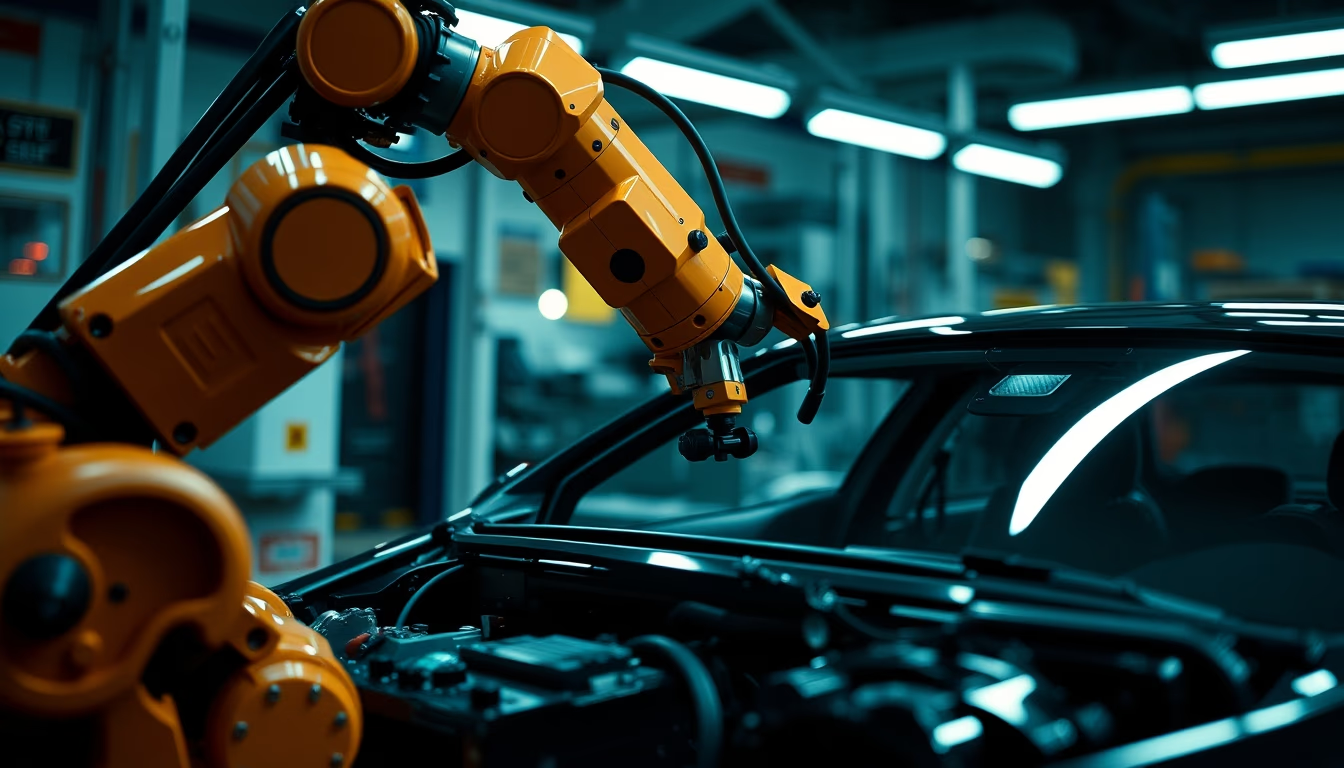
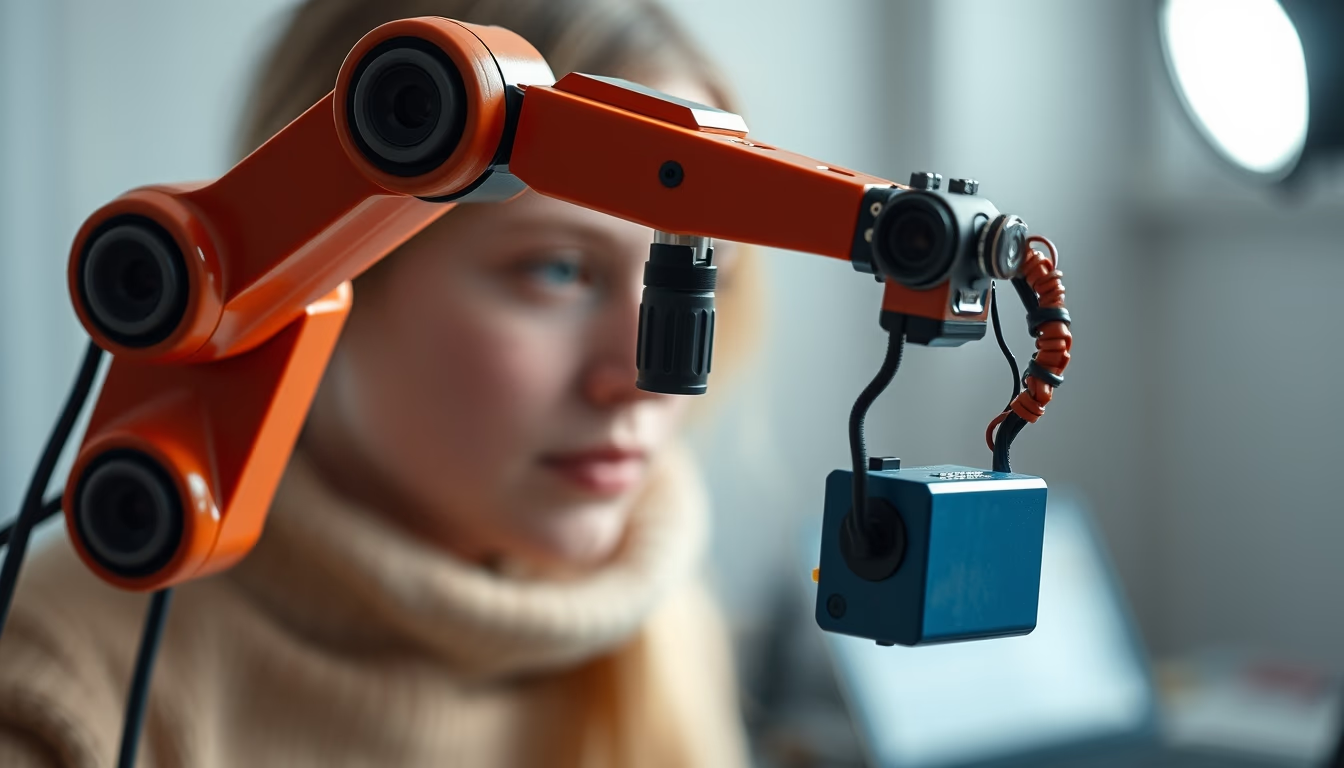
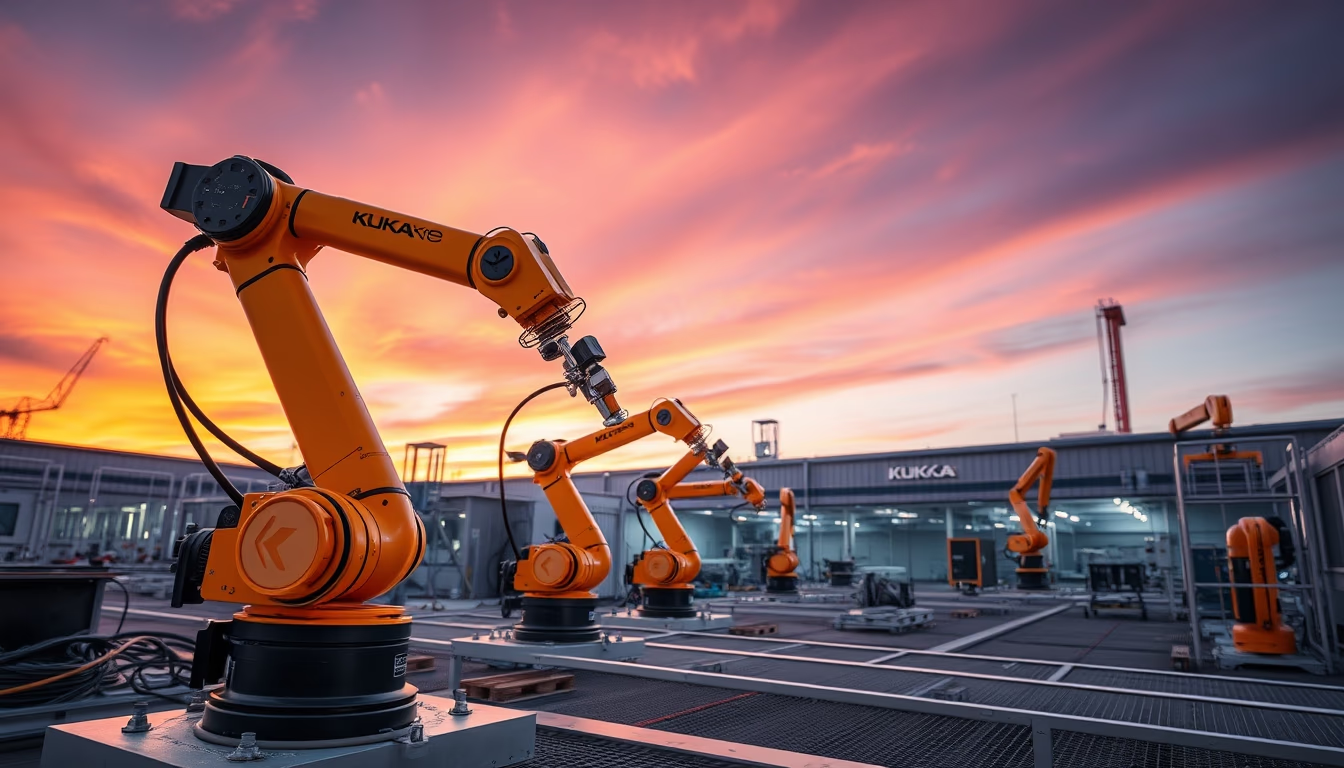
Braços robóticos são essenciais na montagem de carros, realizando soldagem, pintura e movimentação de peças com precisão milimétrica.
Sobre o tema
Os braços robóticos industriais revolucionaram a linha de montagem automotiva. Introduzidos comercialmente nos anos 1960 pela empresa Unimation, esses robôs começaram a ser utilizados em larga escala pela General Motors e outras montadoras a partir da década de 1970. Modelos como o PUMA (Programmable Universal Machine for Assembly) e o Unimate estabeleceram os padrões de automação que evoluíram para os modernos robôs de seis eixos.
Na montagem de carros, os braços robóticos são empregados em tarefas repetitivas e de alta precisão. A soldagem a ponto é uma das aplicações mais comuns, onde o robô posiciona o eletrodo exatamente no local da junta metálica. Também são amplamente usados na pintura, garantindo camadas uniformes, e na montagem de componentes como painéis, portas e para-brisas. Fabricantes como FANUC, ABB, KUKA e Yaskawa dominam o mercado global, com braços capazes de levantar cargas de até centenas de quilos e repetir movimentos com tolerância inferior a 0,1 milímetro.
A integração de sensores e visão computacional permitiu que esses robôs se adaptassem a variações nas peças, aumentando a flexibilidade da produção. Em muitas fábricas, robôs colaborativos (cobots) trabalham lado a lado com humanos, equipados com sensores de força que param automaticamente ao encontrar resistência. Isso reduz acidentes e permite tarefas que exigem destreza humana combinada com força robótica.
Curiosamente, o primeiro robô industrial da Unimate pesava cerca de 1,8 tonelada e custava o equivalente a US$ 65 mil em valores atuais. Hoje, um braço robótico básico pode custar menos de US$ 20 mil, tornando a automação acessível até para pequenas oficinas. A tendência é que o mercado de robótica automotiva cresça 9% ao ano, impulsionado pela produção de veículos elétricos, que exigem ainda mais precisão na montagem de baterias e componentes eletrônicos.
Perguntas frequentes
Qual é a principal vantagem de usar braços robóticos na montagem de carros?
A principal vantagem é a precisão e repetibilidade. Um braço robótico pode realizar a mesma tarefa milhares de vezes com tolerância inferior a 0,1 mm, reduzindo erros e aumentando a qualidade do veículo.
Os braços robóticos substituíram completamente os humanos nas linhas de montagem?
Não. Embora automatizem tarefas repetitivas e perigosas, humanos ainda são necessários para inspeção, montagem de peças complexas e supervisão. Os robôs colaborativos (cobots) foram projetados para trabalhar lado a lado com os operários.
Quais fabricantes de robôs são mais usados pela indústria automotiva?
Os principais são FANUC (Japão), ABB (Suécia/Suíça), KUKA (Alemanha) e Yaskawa (Japão). Essas empresas dominam o mercado global de robôs industriais para soldagem, pintura e montagem.
URL direta
https://pub-c7d6a6ea828543ac903a74a341ccb2e1.r2.dev/imagens/robot-arm-assembling-car-film-grain-authentic-p6.avifComo creditar
Inclua um link visível de volta pro UtilizAí. Copie um dos snippets abaixo:
<a href="https://xn--utiliza-eza.com/midia/imagens/robot-arm-assembling-car-film-grain-authentic-p6">Robot arm assembling car</a> by <a href="https://xn--utiliza-eza.com">UtilizAí</a>, licensed under <a href="https://creativecommons.org/licenses/by/4.0/">CC BY 4.0</a>.
[Robot arm assembling car](https://xn--utiliza-eza.com/midia/imagens/robot-arm-assembling-car-film-grain-authentic-p6) by [UtilizAí](https://xn--utiliza-eza.com), CC BY 4.0
Licença: CC-BY-4.0