Robot arm 3d printer
1344×768 · AVIF · CC BY 4.0
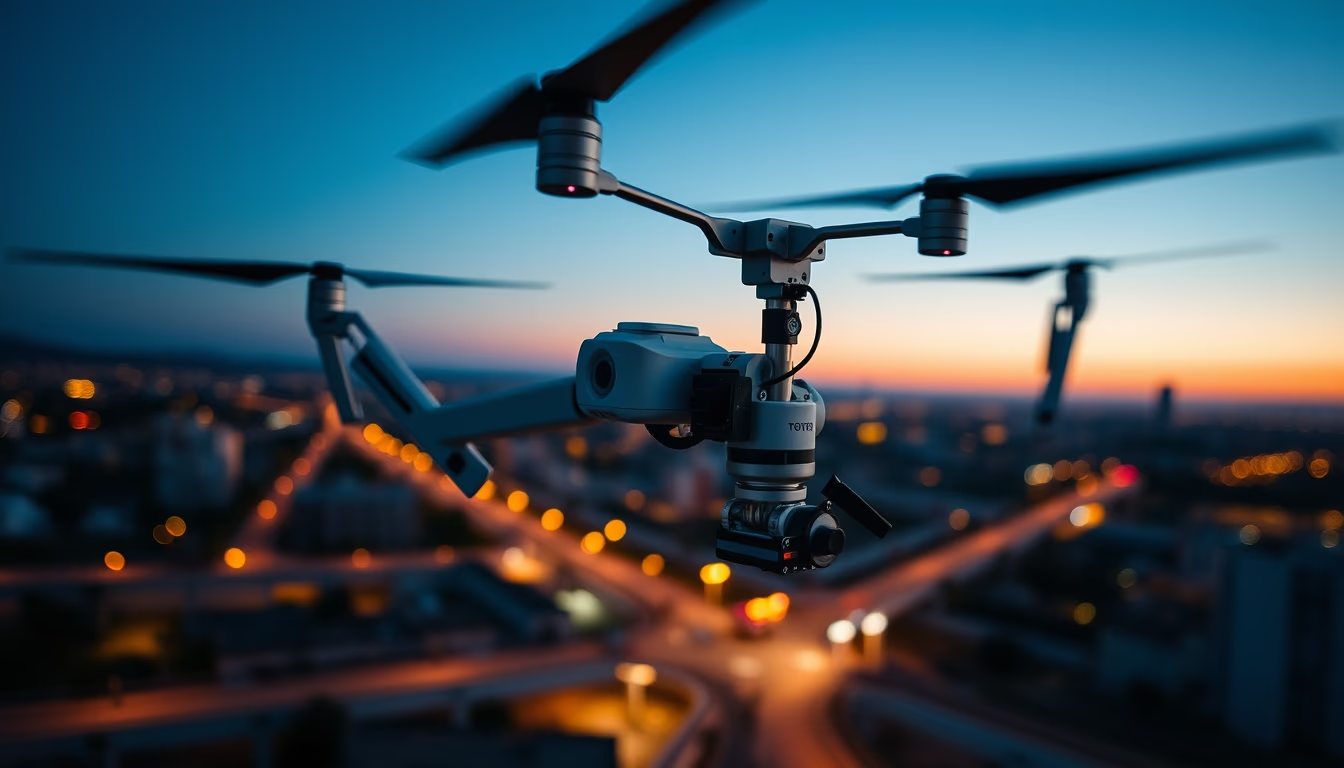
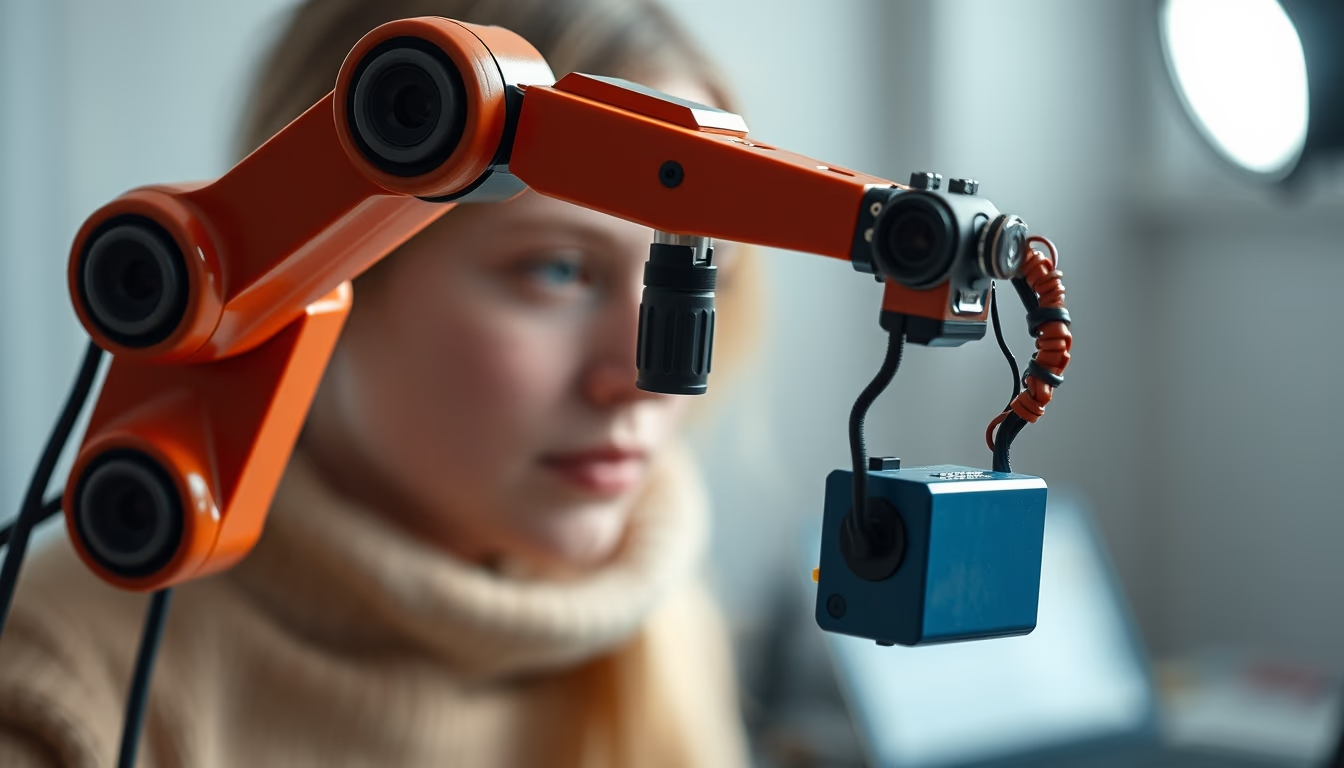
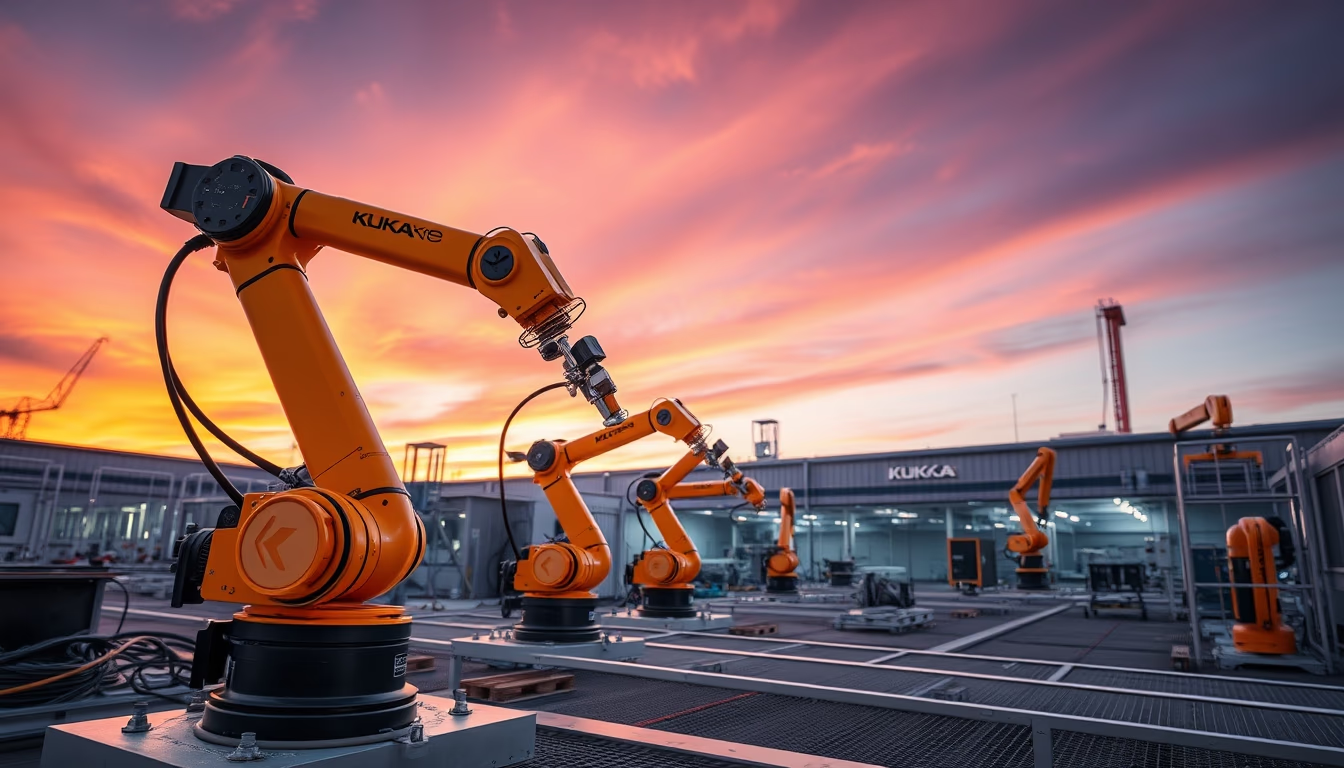
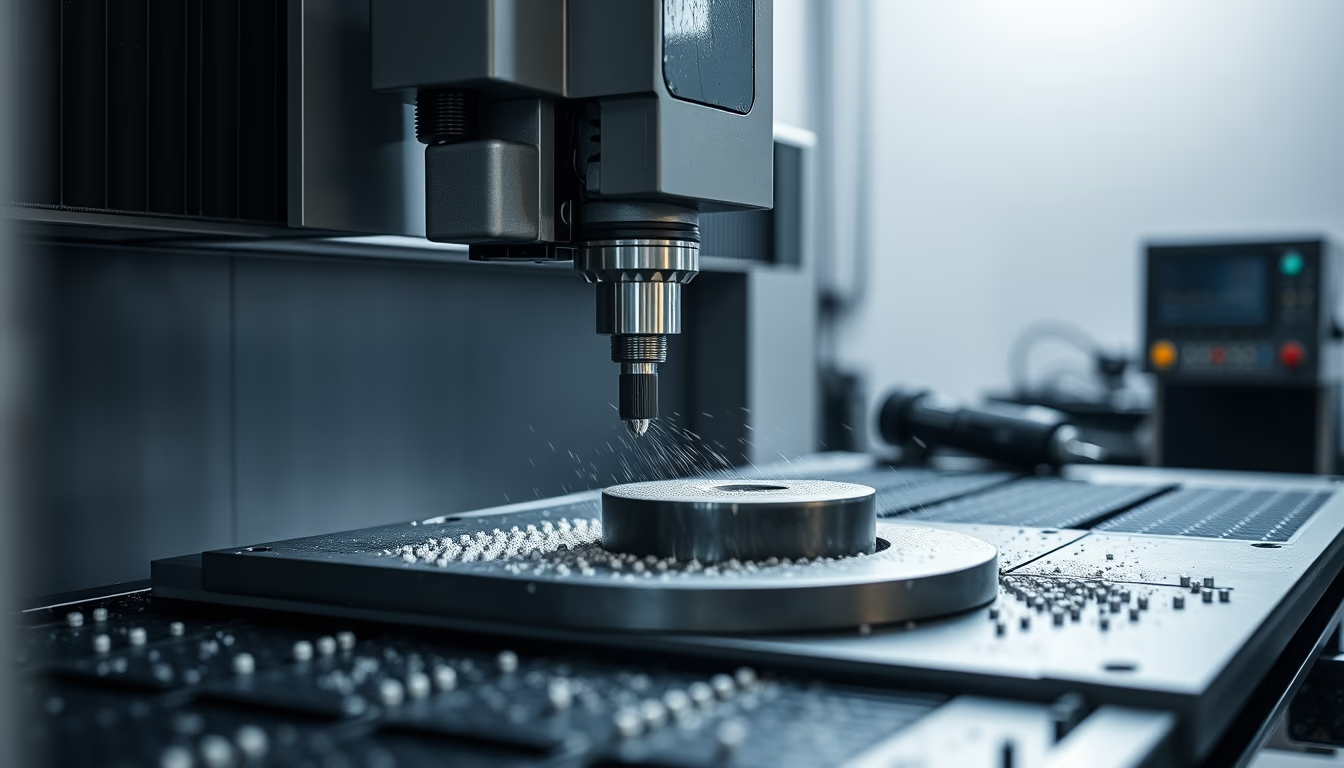
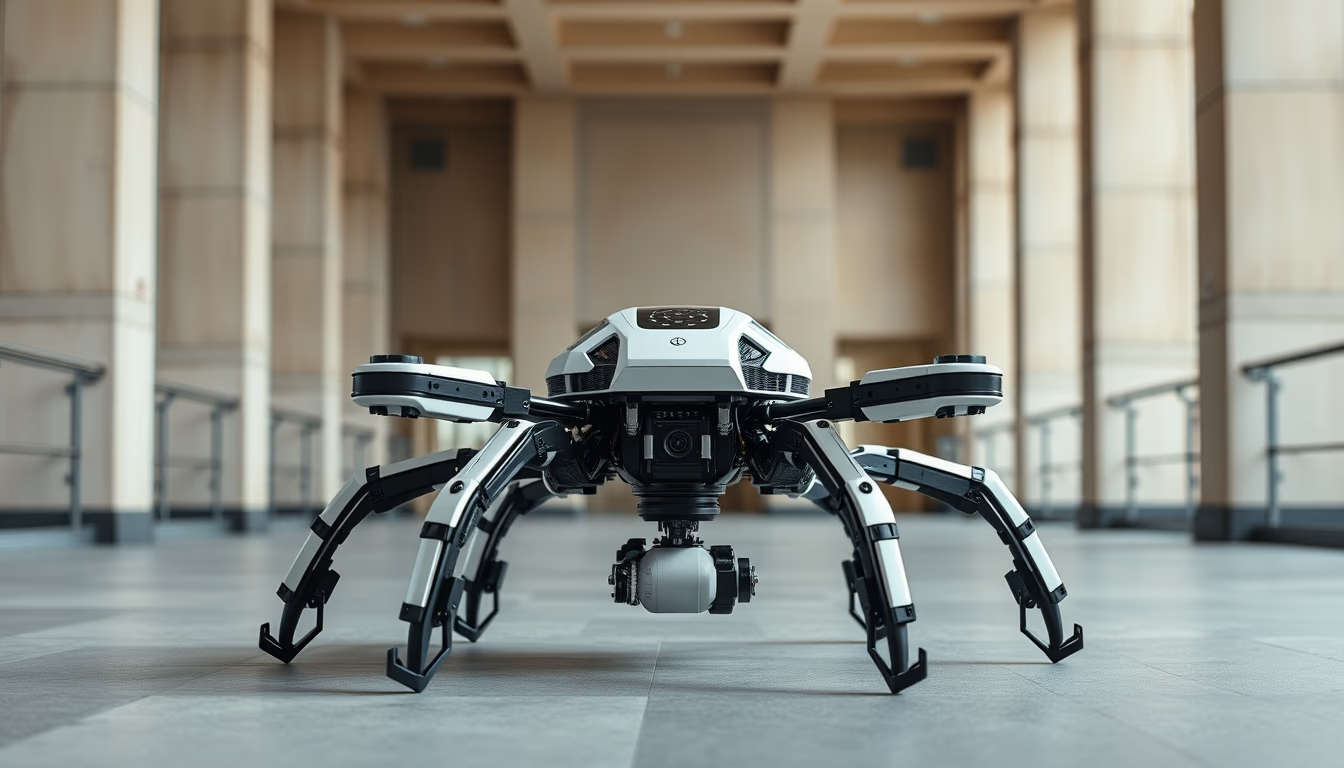
Robotic arm equipped with a 3D printing extruder, capable of manufacturing large-scale complex parts for aerospace and construction industries.
About this subject
A robotic arm for 3D printing combines the versatility of industrial robotics with additive manufacturing. Unlike traditional 3D printers that use gantry systems and are limited to linear movements, robotic arms have multiple rotational axes (typically 6), allowing material deposition in any direction. This freedom enables the creation of parts with complex geometries, such as curved ducts or internal voids, without the need for temporary supports.
The technology is used in sectors like aerospace (producing lightweight and strong parts for turbines and satellites), automotive (rapid prototyping of components), and construction (printing houses and bridges). Companies such as MX3D, ICON, and Branch Technology lead the market. MX3D, for instance, printed a stainless steel bridge in Amsterdam using adapted robotic welding arms.
Advantages include reduced material waste (since printing is additive), on-demand manufacturing without molds, and the ability to scale up to parts several meters long. Common materials include polymers (PLA, ABS, nylon), concrete, metals (steel, titanium), and even ceramics. However, the high initial equipment cost and the need for advanced programming remain barriers for small businesses.
Frequently Asked Questions
What are the main differences between a robotic arm 3D printer and a conventional 3D printer?
Conventional 3D printers use a gantry system with linear movements on X, Y, and Z axes, limiting part geometry. Robotic arms have multiple rotating joints (6 axes), allowing material deposition at various angles and fabrication of more complex structures without supports.
What materials can be used in robotic arm 3D printers?
Polymers (PLA, ABS, nylon), concrete, metals (stainless steel, titanium, aluminum), and ceramics can be used. The choice depends on the application: concrete for construction, metals for high-strength parts, polymers for prototyping.
Where has this technology been applied in real projects?
Notable projects include the MX3D Bridge in Amsterdam (stainless steel), houses printed by ICON in the USA and Mexico, and aerospace components manufactured by Relativity Space.
Direct URL
https://pub-c7d6a6ea828543ac903a74a341ccb2e1.r2.dev/imagens/robot-arm-3d-printer-aerial-drone-shot-p1.avifHow to credit
Include a visible link back to UtilizAí. Copy one of the snippets below:
<a href="https://xn--utiliza-eza.com/en/midia/imagens/robot-arm-3d-printer-aerial-drone-shot-p1">Robot arm 3d printer</a> by <a href="https://xn--utiliza-eza.com">UtilizAí</a>, licensed under <a href="https://creativecommons.org/licenses/by/4.0/">CC BY 4.0</a>.
[Robot arm 3d printer](https://xn--utiliza-eza.com/en/midia/imagens/robot-arm-3d-printer-aerial-drone-shot-p1) by [UtilizAí](https://xn--utiliza-eza.com), CC BY 4.0
License: CC-BY-4.0