Rio carnival float colorful
1344×768 · AVIF · CC BY 4.0
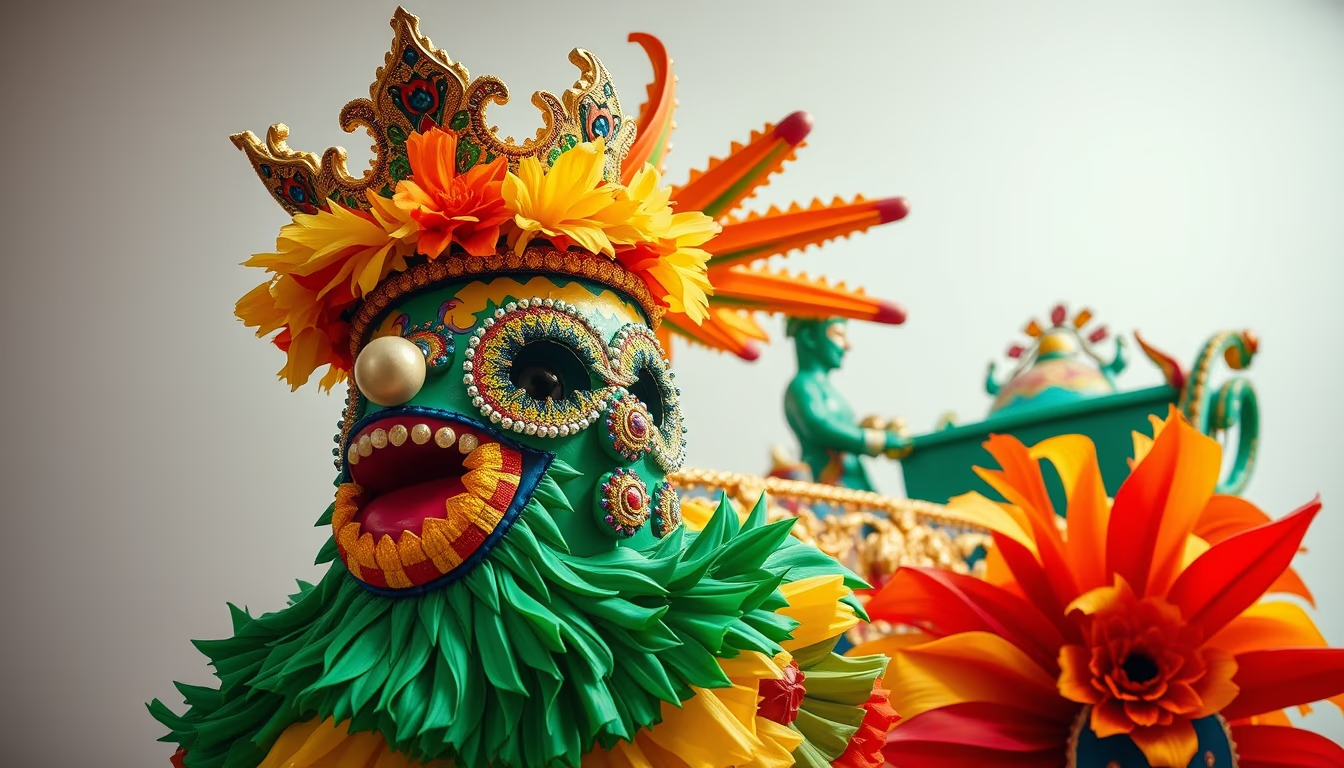
Rio Carnival floats are gigantic works of art that turn the avenue into a spectacle of creativity and culture.
About this subject
Rio de Janeiro's Carnival is world-famous for its samba school parades, featuring monumental floats. These structures are designed by renowned carnival artists and take months to build, involving hundreds of workers and craftsmen. Each float represents an element of the school's storyline, often addressing historical, cultural, or social themes from Brazil.
Floats can reach up to 12 meters in height and 40 meters in length, weighing several tons. They are built on truck chassis and decorated with a wide range of materials: Styrofoam, fiberglass, fabrics, LED lights, and even mechanical sculptures. Safety is strict, with technical inspections to prevent accidents during the parade.
The tradition of carnival floats dates back to the early 20th century, when the first carnival societies used decorated wagons. Over time, they evolved into today's complex allegories, driven by competition among the Special Group schools. The Sambadrome, the main parade venue, sees over 70 floats parading over two nights annually.
Interestingly, many float components are reused or recycled after Carnival, and some become museum pieces. The economic impact is significant, generating thousands of temporary jobs and attracting tourists worldwide. Television broadcasts are watched by millions, solidifying Carnival as one of the greatest popular festivals on Earth.
Frequently Asked Questions
How long does it take to build a Rio Carnival float?
Building a carnival float takes 3 to 6 months and involves hundreds of professionals, including carpenters, sculptors, painters, and electricians.
What is the average weight of a carnival float?
A carnival float weighs between 5 and 10 tons on average, but some can reach 20 tons, requiring reinforced chassis and special engines.
Are carnival floats reused after the event?
Yes, many components are disassembled and reused in other events or exhibitions. Some pieces become decorations or go to Carnival museums.
Direct URL
https://pub-c7d6a6ea828543ac903a74a341ccb2e1.r2.dev/imagens/rio-carnival-float-colorful-studio-still-life-fresh7.avifHow to credit
Include a visible link back to UtilizAí. Copy one of the snippets below:
<a href="https://xn--utiliza-eza.com/en/midia/imagens/rio-carnival-float-colorful-studio-still-life-fresh7">Rio carnival float colorful</a> by <a href="https://xn--utiliza-eza.com">UtilizAí</a>, licensed under <a href="https://creativecommons.org/licenses/by/4.0/">CC BY 4.0</a>.
[Rio carnival float colorful](https://xn--utiliza-eza.com/en/midia/imagens/rio-carnival-float-colorful-studio-still-life-fresh7) by [UtilizAí](https://xn--utiliza-eza.com), CC BY 4.0
License: CC-BY-4.0