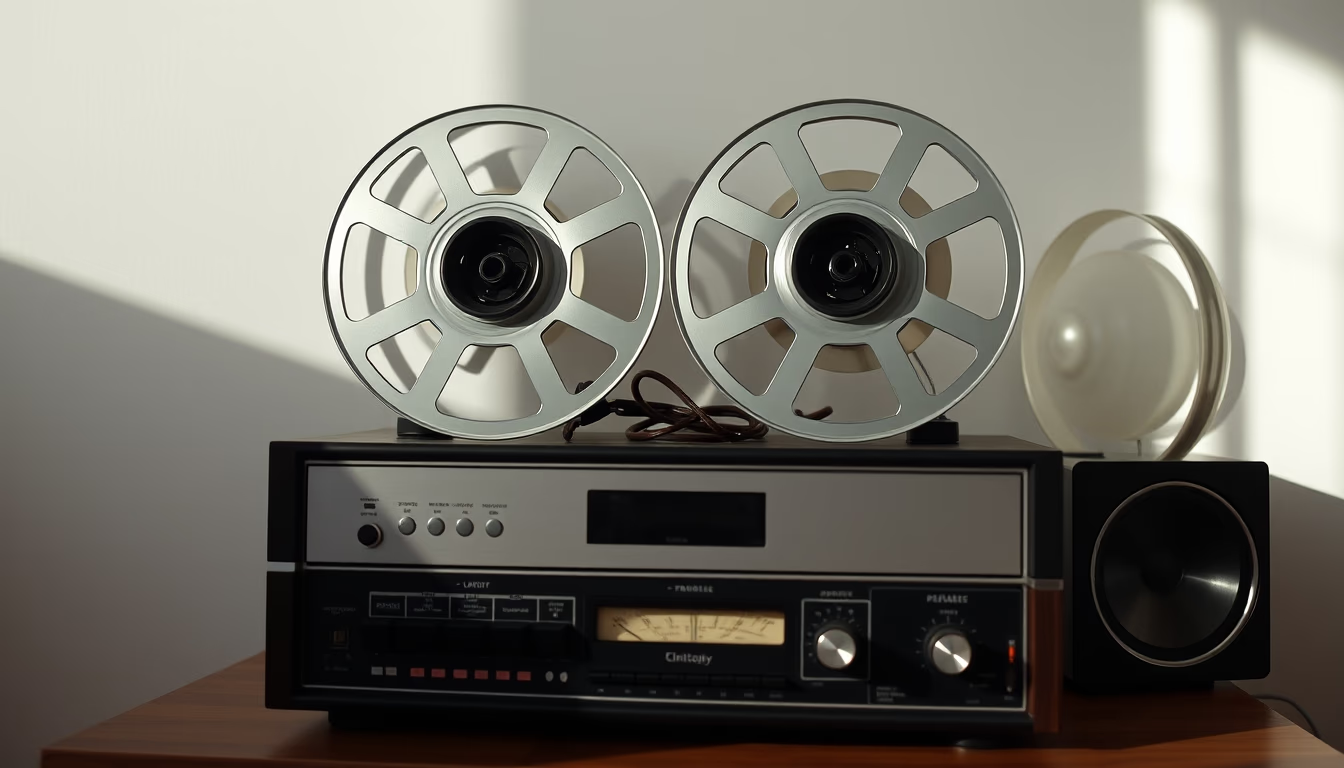
Reel to reel tape player
1344×768 · AVIF · CC BY 4.0

O gravador de fita magnética de rolo, conhecido como reel-to-reel, foi essencial para a gravação profissional de áudio desde os anos 1940 até a era digital.
Sobre o tema
O gravador de rolo (reel-to-reel) utiliza duas bobinas de fita magnética, uma fornecendo e outra recolhendo a fita. A fita passa por cabeças de gravação, reprodução e apagamento, registrando o som como padrões magnéticos. Desenvolvido na Alemanha pela AEG nos anos 1930 e aperfeiçoado nos EUA pela Ampex após a Segunda Guerra Mundial, tornou-se o padrão em estúdios por décadas. As velocidades mais comuns eram 7,5 e 15 polegadas por segundo (ips), e versões de 30 ips ofereciam máxima qualidade. As faixas variavam de mono a 24 faixas, permitindo gravação multicanal.
A edição era feita com lâmina e fita adesiva, cortando e colando a fita fisicamente. Técnicas como tape loops (laços de fita) e reversão de fita foram usadas por artistas de música concreta como Pierre Schaeffer e bandas progressivas. Nos anos 1960, modelos portáteis como o Nagra foram adotados por repórteres e cineastas. O declínio começou nos anos 1980 com o cassete compacto e o digital, mas o formato perdura em estúdios vintage e colecionadores, que valorizam seu som analógico 'quente'.
No Brasil, gravadores de rolo foram usados em rádios e estúdios como a RCA e a gravadora Odeon. Artistas como Tom Jobim e Caetano Veloso gravaram em rolo. A fita magnética também sofreu problemas como desvanecimento (sticky-shed) e degradação após anos. Atualmente, o reel-to-reel vive um renascimento entre audiófilos, com novas máquinas e fitas sendo fabricadas em pequena escala para masterização e escuta crítica.
Perguntas frequentes
Qual era a diferença entre as velocidades de fita?
Velocidades mais altas (15 ou 30 ips) proporcionam maior fidelidade de áudio e resposta de frequência estendida, mas consomem mais fita. Velocidades mais baixas (3,75 ou 7,5 ips) economizam fita, mas reduzem a qualidade, sendo usadas para gravações de longa duração ou voz.
Como se editava a fita de rolo?
A edição era manual: o técnico localizava o ponto exato com a fita passando sobre uma cabeça de reprodução, marcava com lápis de cera, cortava com uma lâmina em ângulo de 45 graus para evitar estalos, e unia as extremidades com fita adesiva especial. Era um processo preciso e demorado.
Por que o reel-to-reel foi substituído?
O formato foi substituído por cassetes compactos, DAT, CD e gravação digital por questões de praticidade, custo e facilidade de uso. A fita de rolo é volumosa, cara e exige manutenção. Porém, ainda é valorizada por audiófilos pelo som analógico e pela estética vintage.
URL direta
https://pub-c7d6a6ea828543ac903a74a341ccb2e1.r2.dev/imagens/reel-to-reel-tape-player-tilt-shift-miniature-fresh11.avifComo creditar
Inclua um link visível de volta pro UtilizAí. Copie um dos snippets abaixo:
<a href="https://xn--utiliza-eza.com/midia/imagens/reel-to-reel-tape-player-tilt-shift-miniature-fresh11">Reel to reel tape player</a> by <a href="https://xn--utiliza-eza.com">UtilizAí</a>, licensed under <a href="https://creativecommons.org/licenses/by/4.0/">CC BY 4.0</a>.
[Reel to reel tape player](https://xn--utiliza-eza.com/midia/imagens/reel-to-reel-tape-player-tilt-shift-miniature-fresh11) by [UtilizAí](https://xn--utiliza-eza.com), CC BY 4.0
Licença: CC-BY-4.0