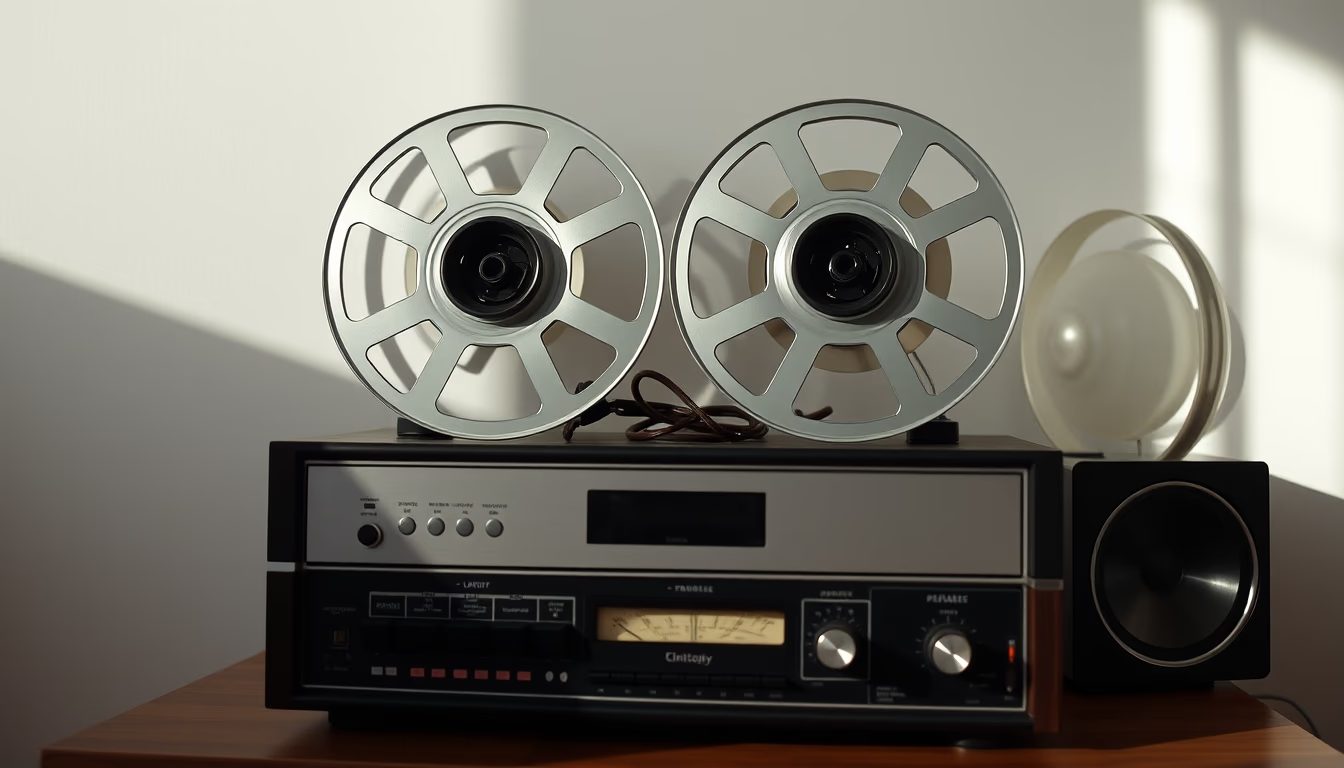
Reel to reel tape player
1344×768 · AVIF · CC BY 4.0

The reel-to-reel tape recorder was a milestone in analog audio recording, used in studios and homes from the 1940s to the 1980s.
About this subject
The reel-to-reel tape recorder, also known as an open-reel tape deck, uses magnetic tape wound on spools. The tape passes over recording and playback heads at speeds typically 7.5 or 15 inches per second (ips), ensuring high fidelity. These devices were essential in professional recording studios, enabling physical tape editing (splicing) and multitrack overdubs. Iconic models like the Studer A80 and Revox A77 set the standard for quality.
In the home, reel-to-reel recorders were prized by audiophiles for superior sound reproduction compared to vinyl records. Magnetic tape offered lower noise and greater dynamic range, especially at higher speeds. Enthusiasts made their own recordings, while labels sold prerecorded tapes of classical and jazz music. The reel-to-reel culture also includes 'tape loops' used by experimental musicians.
With the advent of the cassette tape and later the CD, reel-to-reel recorders declined in popularity but never vanished. Today, they are collector's items and still used by analog sound purists. Maintenance requires care with head alignment and tape oxidation. The characteristic sound of reel-to-reel tape, with its natural compression and harmonic saturation, is coveted by audio engineers seeking analog warmth.
Frequently Asked Questions
What is the difference between a reel-to-reel recorder and a cassette recorder?
A reel-to-reel recorder uses wider tape (1/4 inch or more) on open reels, offering higher bandwidth and lower noise. Cassette tapes are narrow and compact, more convenient but with inferior quality. Reel-to-reel tape speed is higher (7.5 or 15 ips vs. 1.875 ips for cassette), resulting in greater fidelity.
How was audio editing done on reel-to-reel recorders?
Editing was physical: the technician located the exact point on the tape, marked it with a pencil, cut with a special blade, and removed or rearranged sections. Then, the ends were spliced with adhesive tape. This method required precision and was common in professional studios until the 1980s.
Why are reel-to-reel recorders valued in the vintage market?
They are prized for their robust construction, sound quality considered superior to digital media, and the analog recording process. Musicians and engineers seek the 'tape sound' with natural compression and harmonic saturation. Additionally, the retro aesthetics and tactile experience of handling tape attract collectors.
Direct URL
https://pub-c7d6a6ea828543ac903a74a341ccb2e1.r2.dev/imagens/reel-to-reel-tape-player-rembrandt-lighting-dramatic-shadows-fresh12.avifHow to credit
Include a visible link back to UtilizAí. Copy one of the snippets below:
<a href="https://xn--utiliza-eza.com/en/midia/imagens/reel-to-reel-tape-player-rembrandt-lighting-dramatic-shadows-fresh12">Reel to reel tape player</a> by <a href="https://xn--utiliza-eza.com">UtilizAí</a>, licensed under <a href="https://creativecommons.org/licenses/by/4.0/">CC BY 4.0</a>.
[Reel to reel tape player](https://xn--utiliza-eza.com/en/midia/imagens/reel-to-reel-tape-player-rembrandt-lighting-dramatic-shadows-fresh12) by [UtilizAí](https://xn--utiliza-eza.com), CC BY 4.0
License: CC-BY-4.0