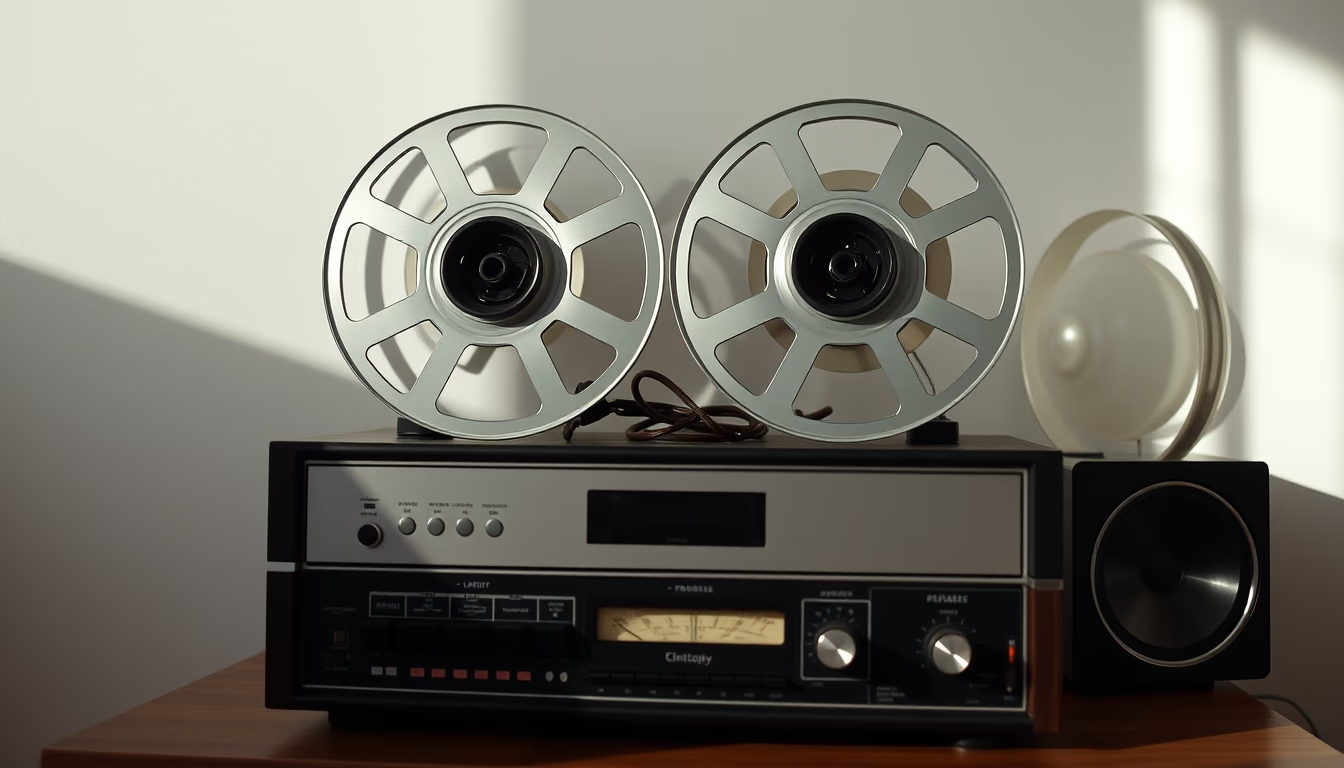
Reel to reel tape player
1344×768 · AVIF · CC BY 4.0

Reel-to-reel tape player that revolutionized audio recording from the 1940s to 1970s, used in studios and homes.
About this subject
Reel-to-reel tape recorders were the first devices to enable high-quality magnetic audio recording. Developed in Germany during World War II and refined in the United States by companies such as Ampex, they became the studio standard from the 1950s onward. Magnetic tape stored on open reels offered superior fidelity to vinyl records and early compact formats, making it essential for mastering iconic albums by artists like The Beatles and Frank Sinatra.
In home environments, reel-to-reel decks were synonymous with high fidelity among audio enthusiasts. Brands like Revox, Teac, and Sony produced models that could record and play tapes at speeds such as 7.5 and 15 ips, ensuring wide frequency response. Despite high cost and operational complexity, the format was valued for its durability and the ability to manually edit tape by cutting and splicing.
A curious fact is that reel-to-reel was the original format for the compact cassette, invented by Philips in 1963 as a smaller, more affordable version. With the rise of cassettes and CDs in the 1980s, reel-to-reel fell out of commercial use but remains cult among audiophiles and producers seeking analog warmth. Today, the equipment is a collector's item and still used in vintage recording studios.
Beyond audio, reel-to-reel technology was adapted for computer data storage (e.g., the IBM 727 system) and inspired visual sound effects in films and TV series, where spinning reels symbolize professional recording. Preservation of this technical heritage is maintained by organizations such as the International Association of Sound and Audiovisual Archives (IASA).
Frequently Asked Questions
What is the difference between a reel-to-reel recorder and a cassette deck?
A reel-to-reel recorder uses open-reel magnetic tape with wider tape and variable speeds (e.g., 7.5 and 15 ips), delivering superior audio quality. A cassette deck uses a compact, slower (1.875 ips) format, more convenient for average consumers.
Why is reel-to-reel highly valued by audiophiles today?
Because analog reel-to-reel recording produces a warm, natural sound with smooth harmonic distortion that many find more pleasing than digital. Additionally, high-speed tape preserves detail that compressed formats lose.
Can you still buy blank tapes for reel-to-reel recorders?
Yes, manufacturers like Recording The Masters (RTM) still produce new tapes, mainly for studio use. You can also find NOS (New Old Stock) tapes from collectors.
Direct URL
https://pub-c7d6a6ea828543ac903a74a341ccb2e1.r2.dev/imagens/reel-to-reel-tape-player-lo-fi-disposable-camera-fresh6.avifHow to credit
Include a visible link back to UtilizAí. Copy one of the snippets below:
<a href="https://xn--utiliza-eza.com/en/midia/imagens/reel-to-reel-tape-player-lo-fi-disposable-camera-fresh6">Reel to reel tape player</a> by <a href="https://xn--utiliza-eza.com">UtilizAí</a>, licensed under <a href="https://creativecommons.org/licenses/by/4.0/">CC BY 4.0</a>.
[Reel to reel tape player](https://xn--utiliza-eza.com/en/midia/imagens/reel-to-reel-tape-player-lo-fi-disposable-camera-fresh6) by [UtilizAí](https://xn--utiliza-eza.com), CC BY 4.0
License: CC-BY-4.0