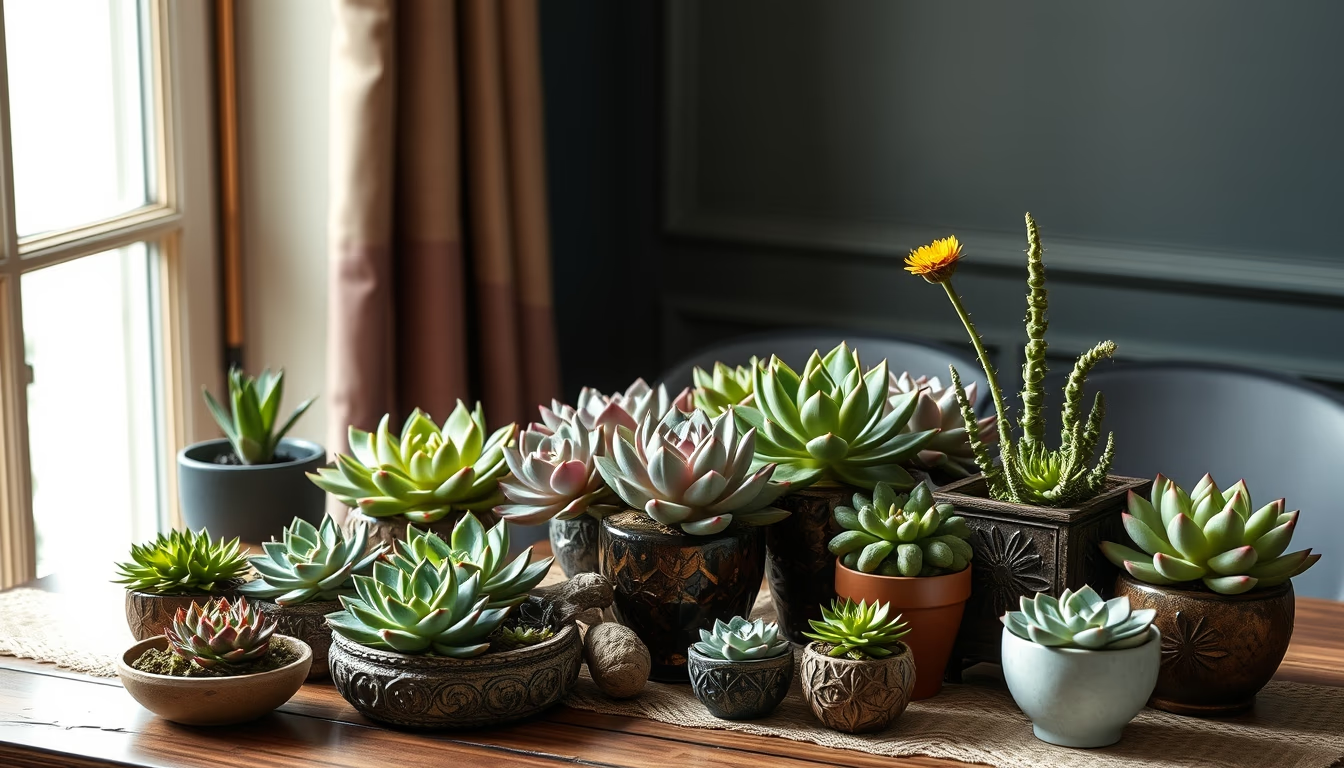
Rare plant nursery
1344×768 · AVIF · CC BY 4.0
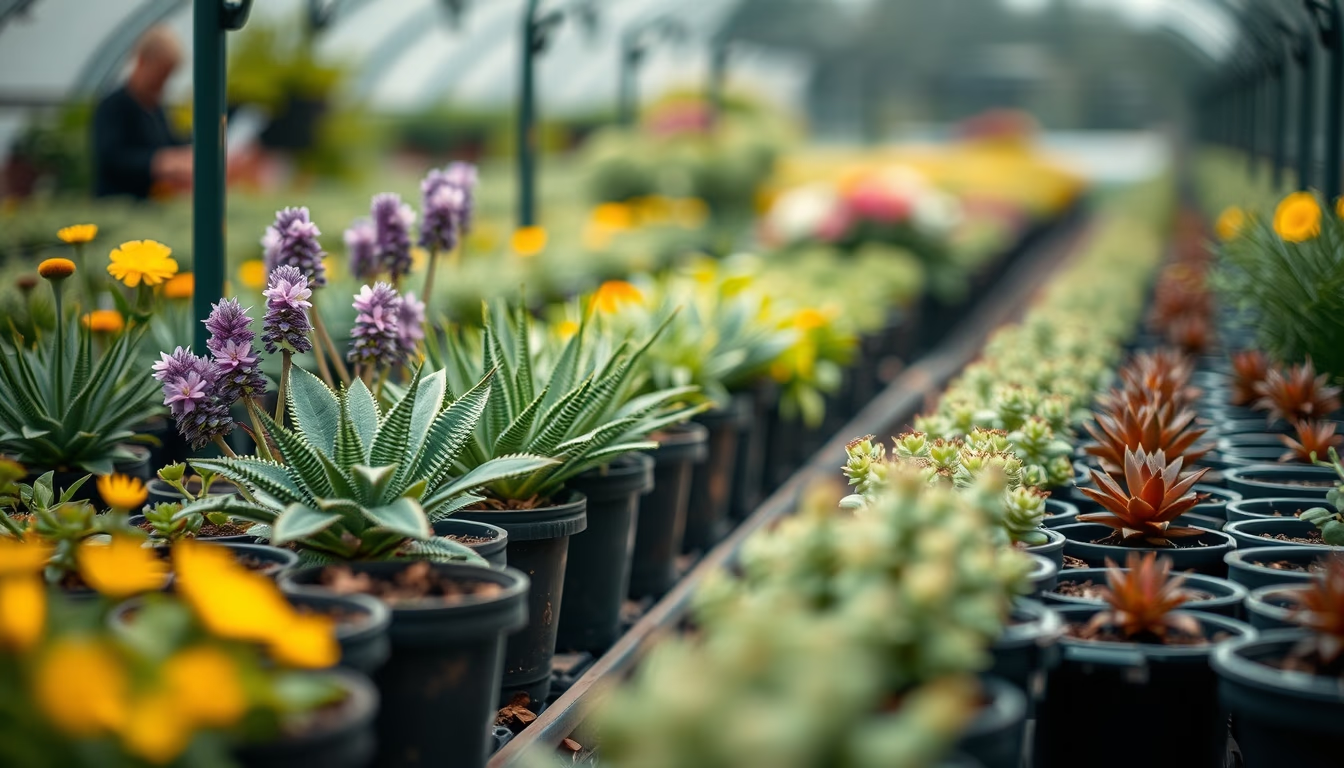
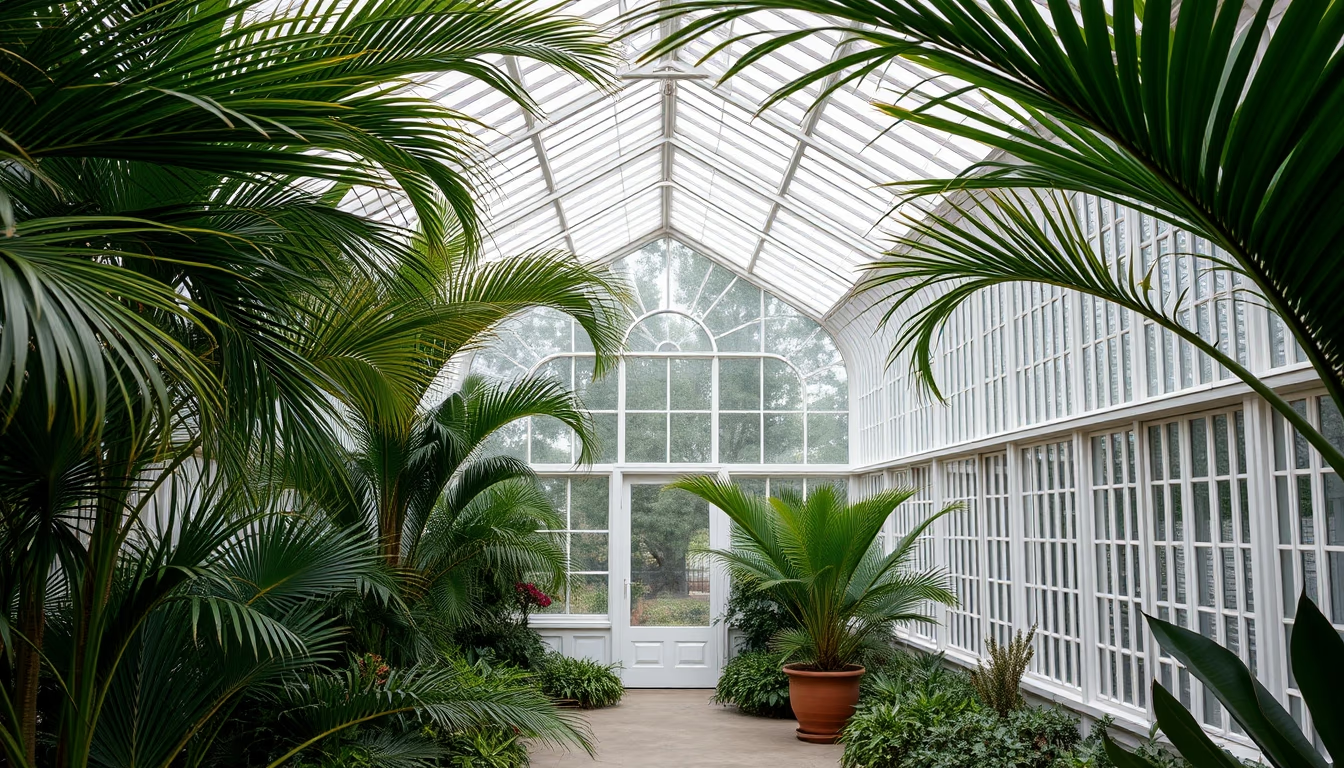
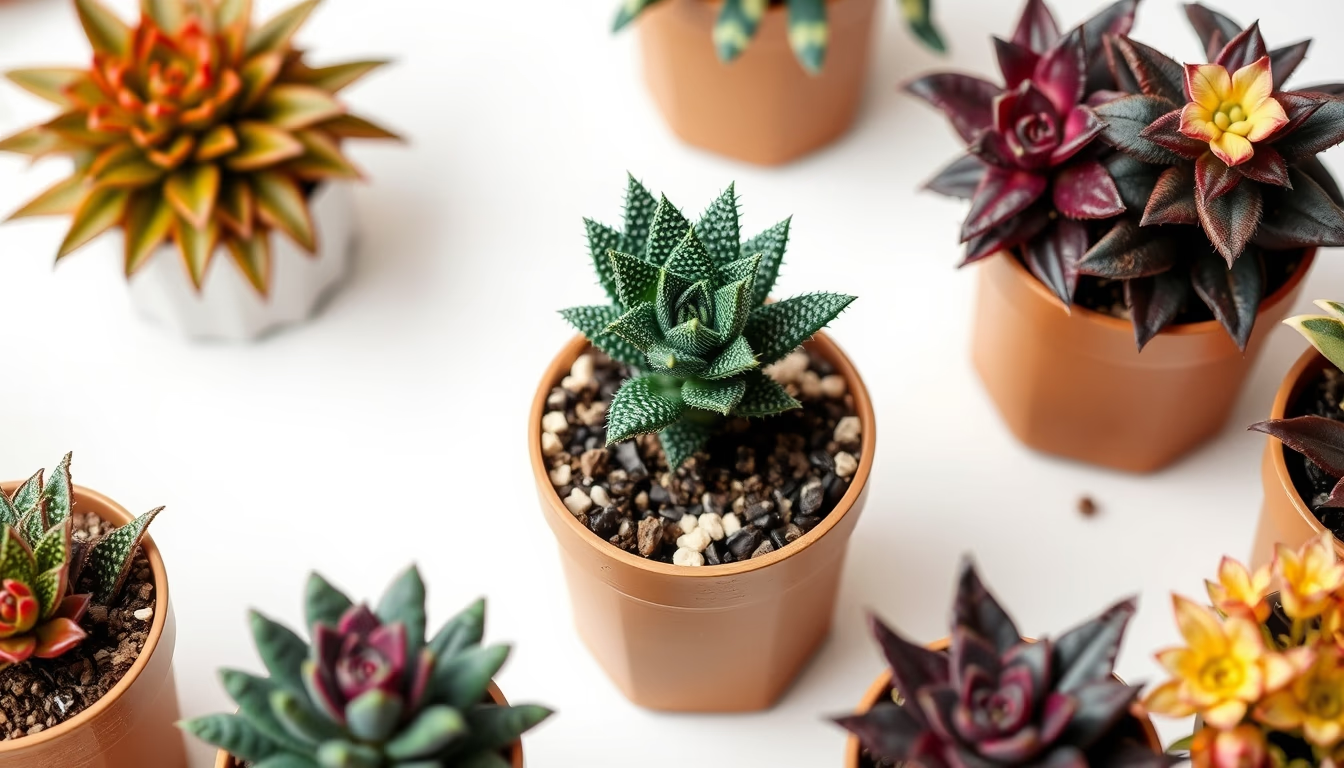
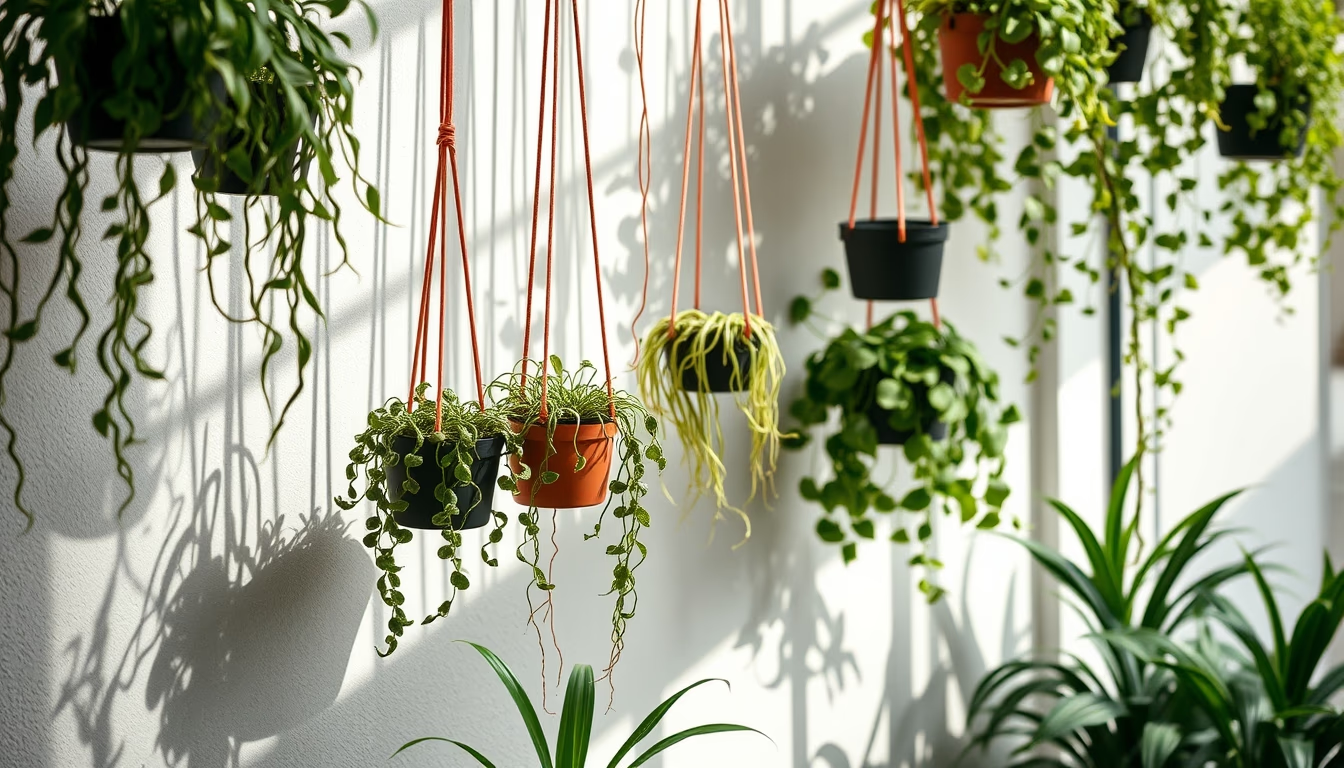
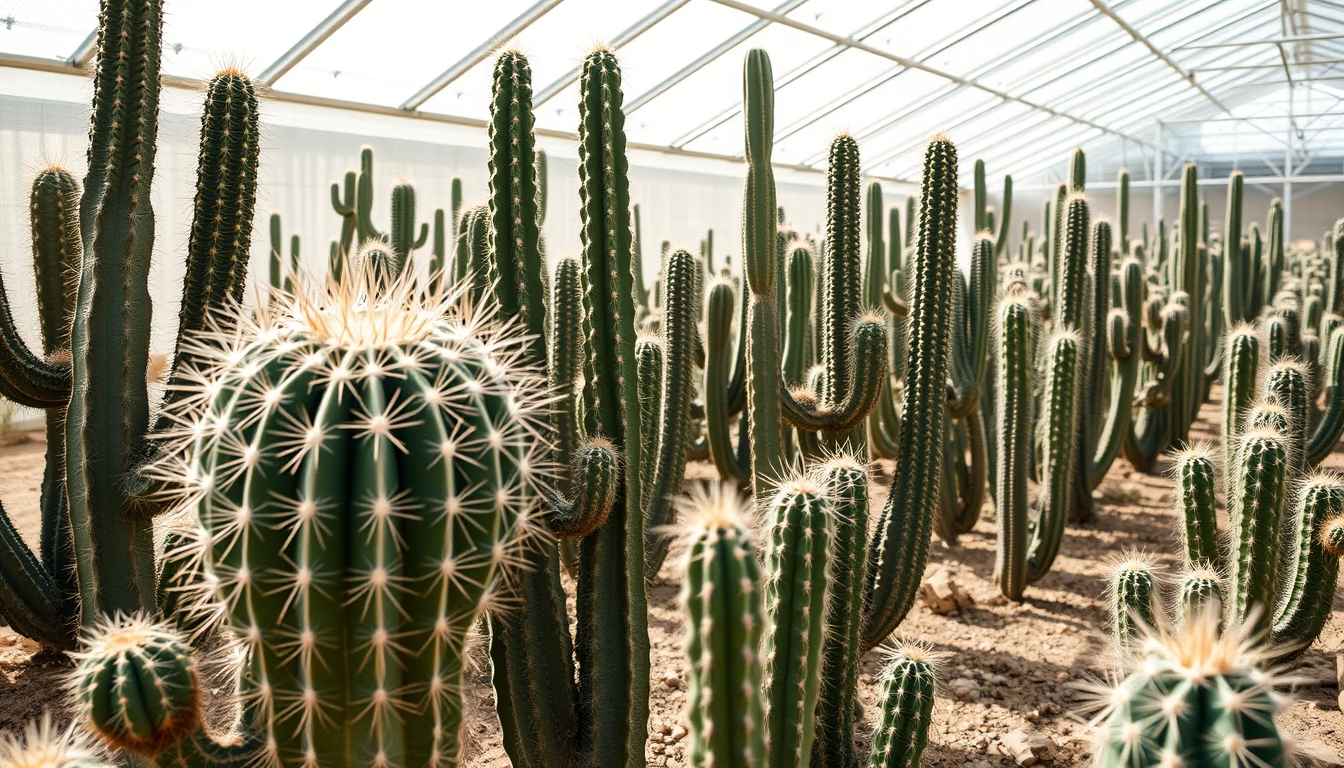
Rare plant nurseries are conservation and propagation centers for threatened species, vital for global biodiversity.
About this subject
Rare plant nurseries play a critical role in preserving global botanical diversity. They are dedicated to cultivating, propagating, and protecting species at risk of extinction in the wild, often due to habitat loss, climate change, or overcollection. Institutions like the Royal Botanic Gardens, Kew, in the UK and the Rio de Janeiro Botanical Garden maintain living collections that function as genetic banks. These nurseries not only safeguard plants but also provide material for scientific research, ecological restoration, and reintroduction into natural habitats.
Among the species frequently grown are Welwitschia mirabilis, from the Namib Desert, and Rafflesia arnoldii, the world's largest flower, endemic to Southeast Asia. In Brazil, specialized nurseries preserve plants such as the orchid Cattleya labiata and Brazilwood (Paubrasilia echinata), the national tree threatened by historical exploitation. Many nurseries employ techniques like micropropagation and tissue culture to multiply genetically viable specimens, ensuring the continuity of rare lineages.
The importance of these nurseries extends beyond conservation: they educate the public about ecosystem fragility and the value of native flora. Visitor programs and sustainable gardening courses encourage the use of native species in landscaping, reducing pressure on wild populations. Additionally, nurseries certified by the Convention on International Trade in Endangered Species of Wild Fauna and Flora (CITES) ensure that the trade of rare plants is legal and sustainable.
The biodiversity crisis makes these centers even more strategic. An estimated one-third of all vascular plant species are threatened with extinction. Rare plant nurseries act as botanical Noah's Arks, maintaining species that could disappear without human intervention. Collaboration among global institutions, such as the Millennium Seed Bank Partnership, strengthens future food and medicinal security, as many rare species contain bioactive compounds still poorly studied. Every nursery, no matter how small, contributes to the web of life on Earth.
Frequently Asked Questions
What is the difference between a regular nursery and a rare plant nursery?
Regular nurseries grow common ornamental or commercial plants. Rare plant nurseries focus on endangered, endemic, or hard-to-propagate species, emphasizing conservation, genetic research, and reintroduction into the wild.
Which Brazilian species are considered rare and grown in nurseries?
Examples include Paubrasilia echinata (Brazilwood), the orchid Cattleya labiata, Dicksonia sellowiana (tree fern), and several bromeliads like Nidularium procerum. Many are legally protected due to extinction risk.
Can individuals purchase rare plants for home cultivation?
Yes, provided the nursery is licensed by IBAMA and complies with CITES regulations. Buying legally sourced seedlings discourages wild plant trafficking and supports ex situ conservation.
Direct URL
https://pub-c7d6a6ea828543ac903a74a341ccb2e1.r2.dev/imagens/rare-plant-nursery-tilt-shift-miniature-fresh8.avifHow to credit
Include a visible link back to UtilizAí. Copy one of the snippets below:
<a href="https://xn--utiliza-eza.com/en/midia/imagens/rare-plant-nursery-tilt-shift-miniature-fresh8">Rare plant nursery</a> by <a href="https://xn--utiliza-eza.com">UtilizAí</a>, licensed under <a href="https://creativecommons.org/licenses/by/4.0/">CC BY 4.0</a>.
[Rare plant nursery](https://xn--utiliza-eza.com/en/midia/imagens/rare-plant-nursery-tilt-shift-miniature-fresh8) by [UtilizAí](https://xn--utiliza-eza.com), CC BY 4.0
License: CC-BY-4.0