Puppet theater venetian
1344×768 · AVIF · CC BY 4.0
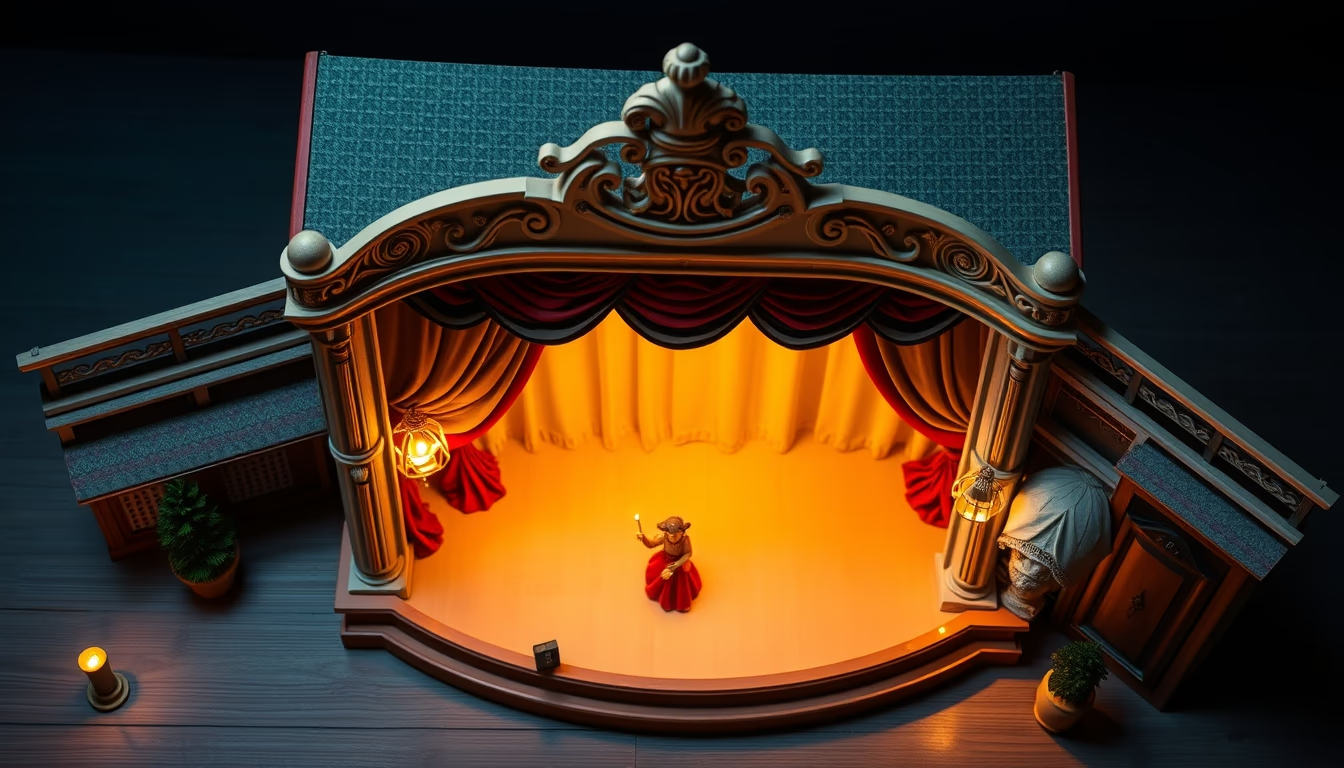
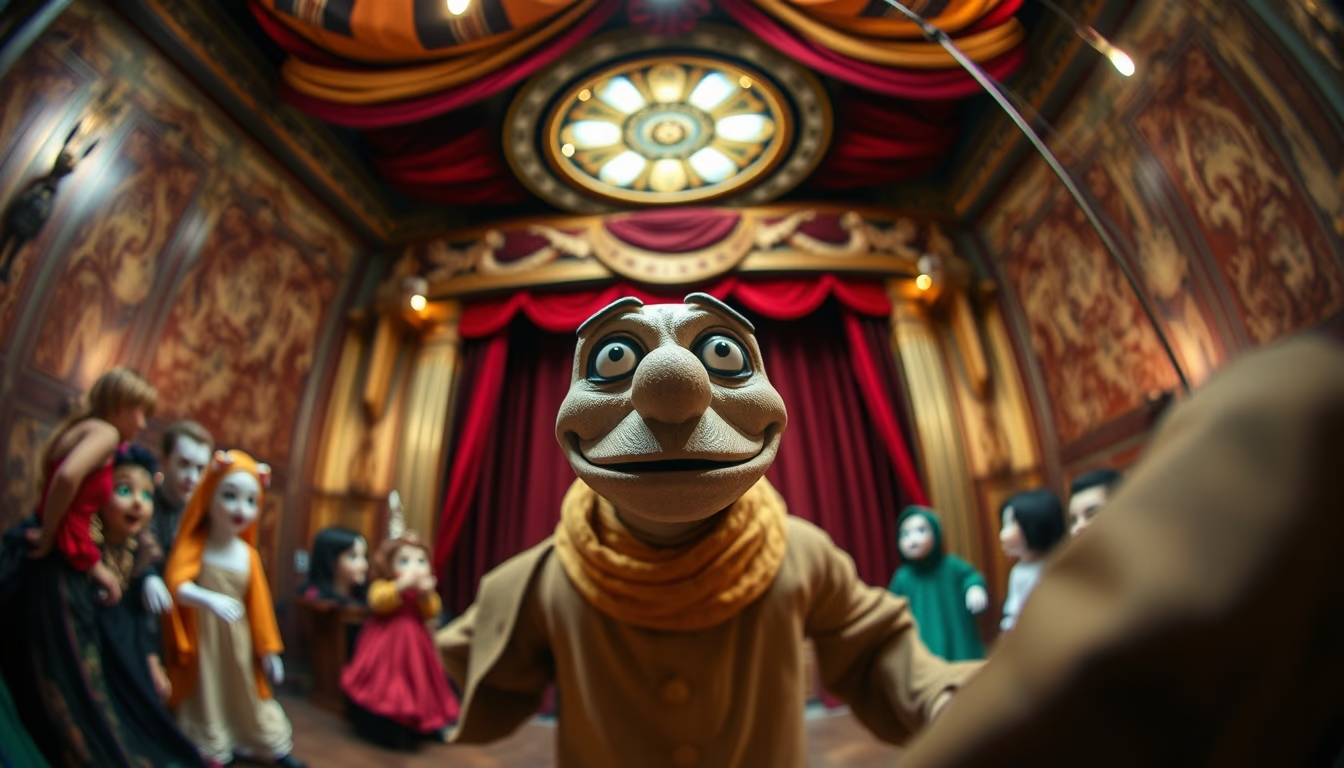
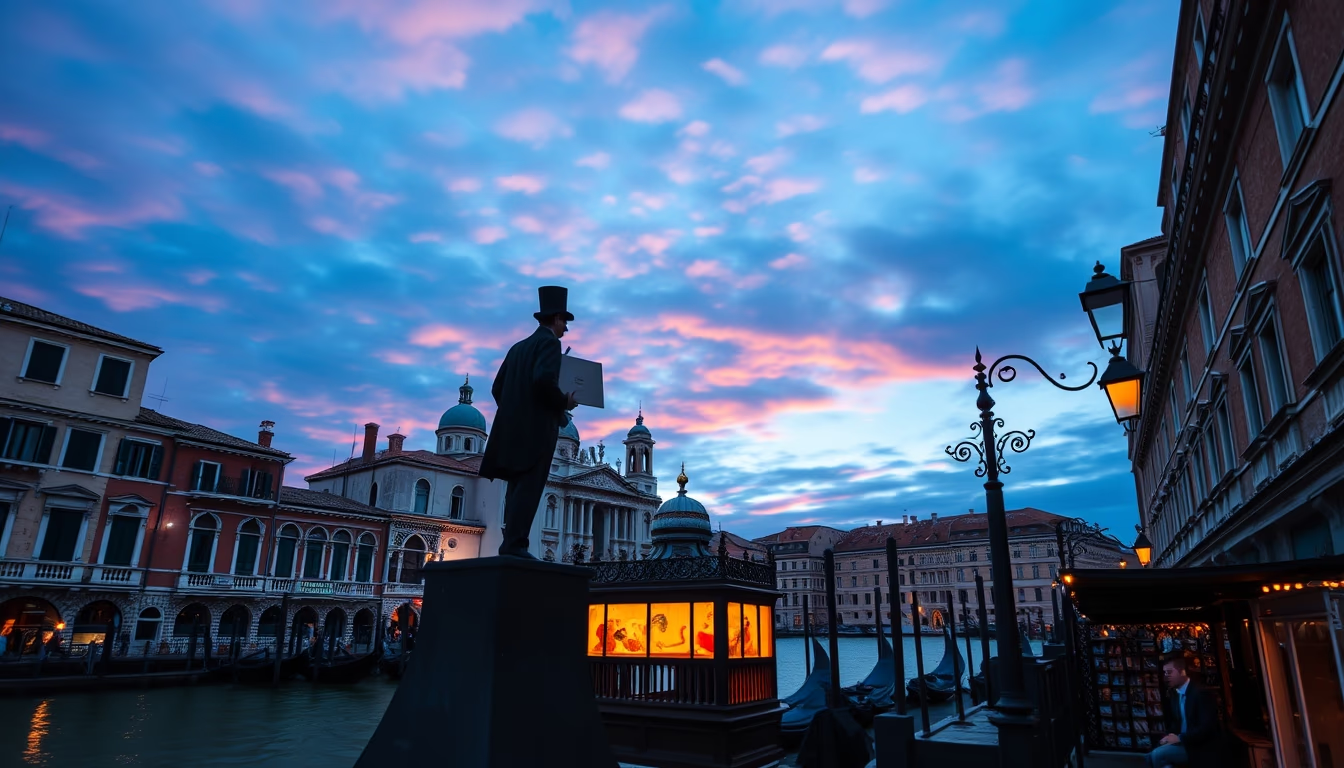
Venetian puppet theater, known as Burattini, is a centuries-old tradition enchanting audiences with its marionettes and commedia dell'arte stories.
About this subject
Puppet theater in Venice, known as Burattini, dates back to the 16th century, when the first articulated dolls began entertaining the population in the squares and palaces of the Most Serene Republic. Inspired by commedia dell'arte, the puppets represented characters such as Arlecchino, Pulcinella, and Pantalone, each with specific traits and masks. These performances were an accessible form of entertainment for all social classes, blending political satire, comedy, and music.
The peak of Burattini occurred between the 17th and 18th centuries, when traveling companies toured not only Italy but also other parts of Europe. Manipulation techniques varied: some puppets were string marionettes, while others were hand puppets (like the traditional English Punch). In Venice, the Teatro San Moisè and Teatro Goldoni hosted regular shows, and local artisans developed puppets with luxurious costumes and striking expressions.
With the decline of the Republic of Venice in the late 18th century, puppet theater weakened but never disappeared completely. In the 20th century, a revival occurred with artists such as Maria Signorelli and the Teatro dei Burattini di Venezia. Today, the tradition continues in festivals like the Carnevale di Venezia, where giant puppets and marionettes delight tourists and locals. The construction of the puppets is still done by hand, using wood, fabric, and papier-mâché, following techniques passed down through generations.
Frequently Asked Questions
What is the origin of puppet theater in Venice?
Venetian puppet theater originated in the 16th century, inspired by commedia dell'arte. The first articulated puppets were used in popular street performances.
What are typical Burattini characters?
Characters include Arlecchino (crafty servant), Pulcinella (jovial hunchback), and Pantalone (miserly old man). They wear masks and colorful costumes, representing archetypes of Venetian society.
Where can I see puppet shows in Venice today?
During the Venice Carnival, there are performances with giant puppets and marionettes. Historic theaters like Teatro Goldoni and independent groups also keep the tradition alive.
Direct URL
https://pub-c7d6a6ea828543ac903a74a341ccb2e1.r2.dev/imagens/puppet-theater-venetian-isometric-flat-lay-fresh16.avifHow to credit
Include a visible link back to UtilizAí. Copy one of the snippets below:
<a href="https://xn--utiliza-eza.com/en/midia/imagens/puppet-theater-venetian-isometric-flat-lay-fresh16">Puppet theater venetian</a> by <a href="https://xn--utiliza-eza.com">UtilizAí</a>, licensed under <a href="https://creativecommons.org/licenses/by/4.0/">CC BY 4.0</a>.
[Puppet theater venetian](https://xn--utiliza-eza.com/en/midia/imagens/puppet-theater-venetian-isometric-flat-lay-fresh16) by [UtilizAí](https://xn--utiliza-eza.com), CC BY 4.0
License: CC-BY-4.0