Plants on desk wellness
1344×768 · AVIF · CC BY 4.0
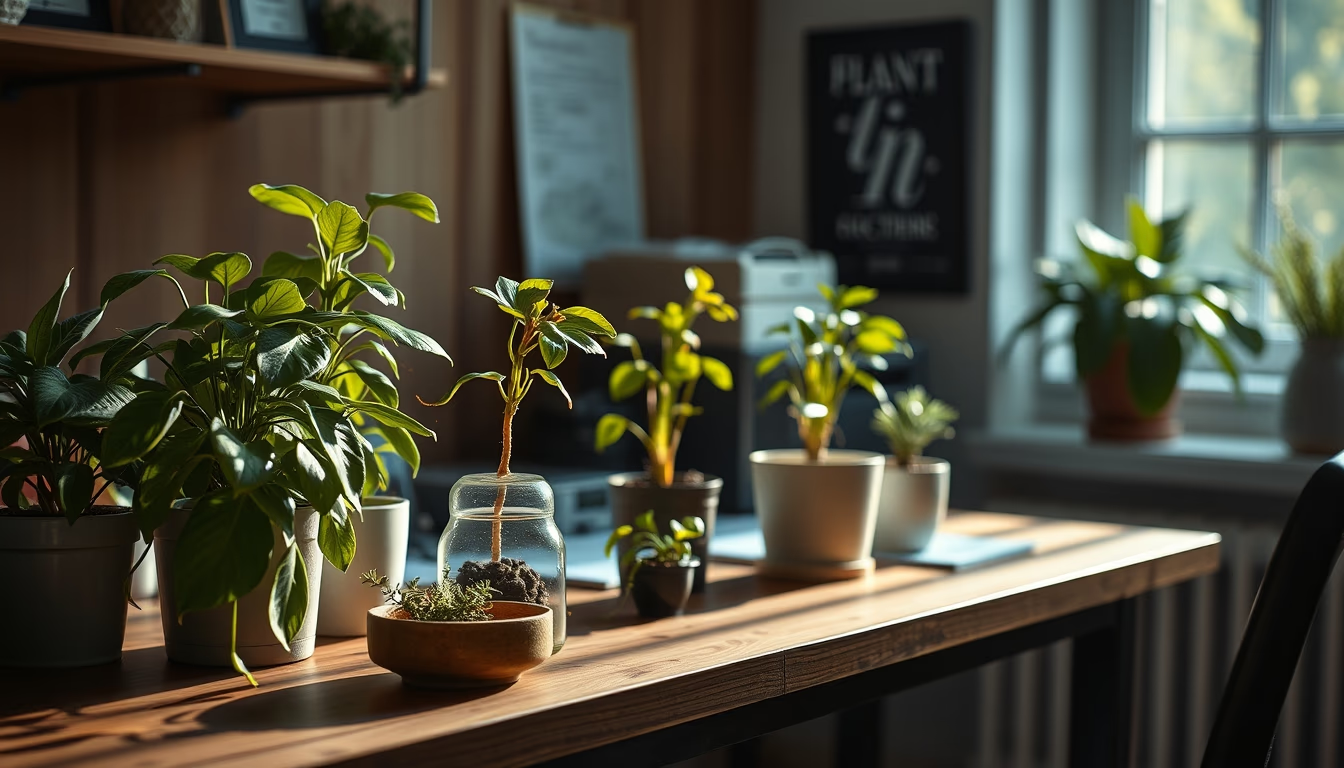
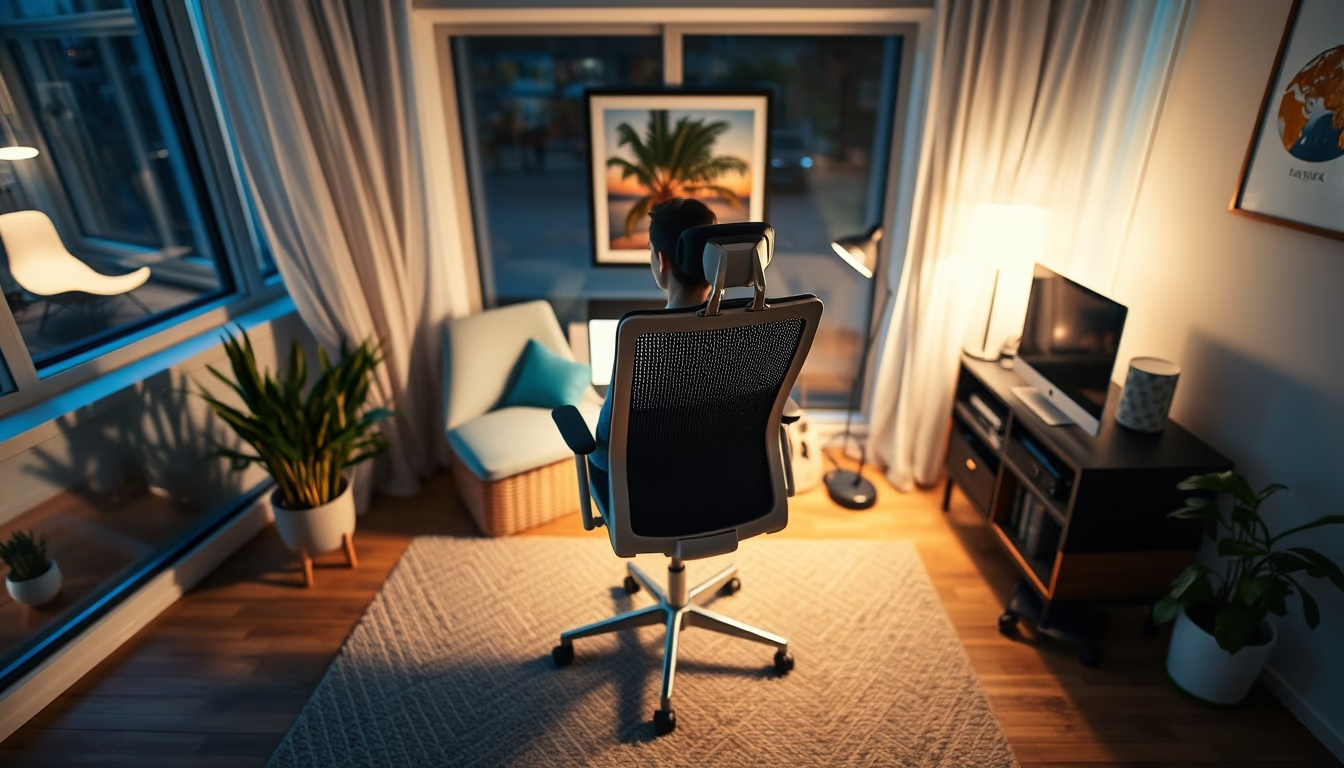
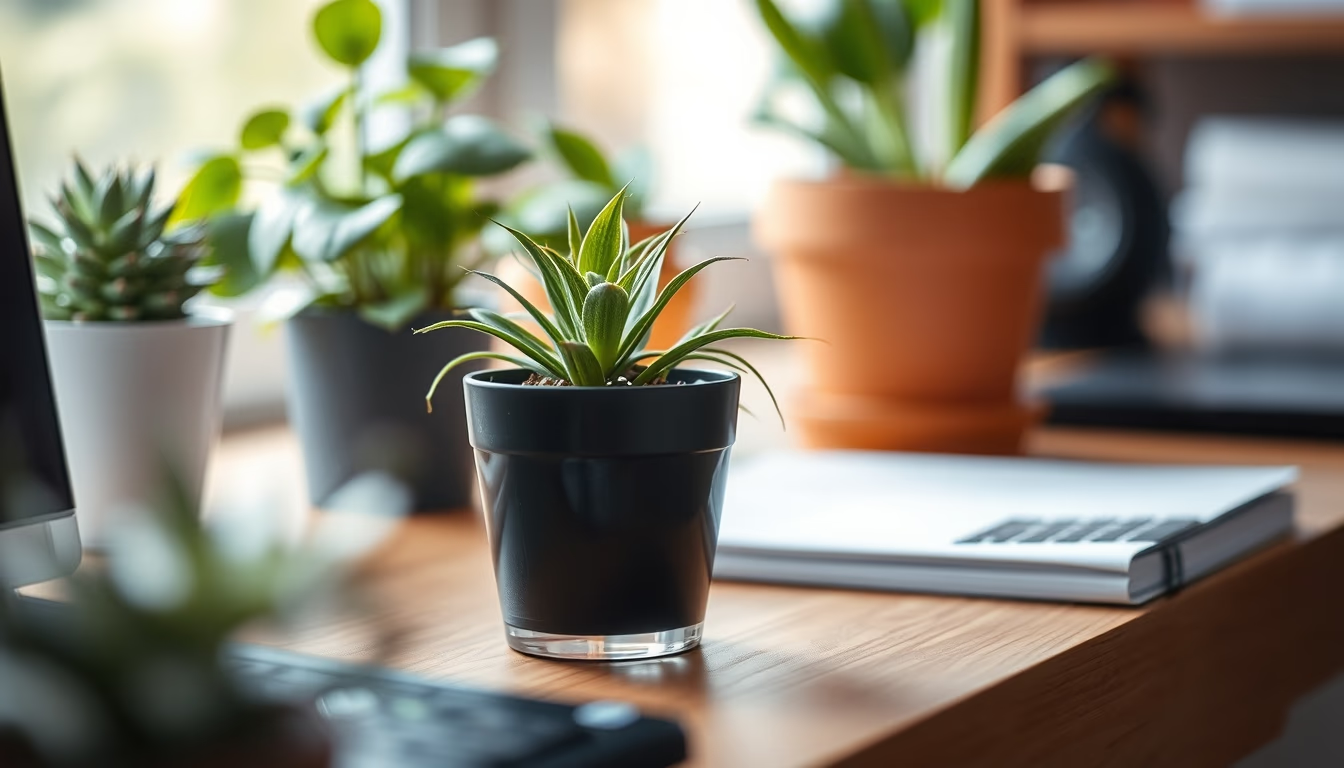
Desk plants in home offices boost physical and mental wellness, reducing stress and enhancing productivity in remote work settings.
About this subject
NASA and the University of Oslo studies show that indoor plants can remove up to 87% of volatile organic compounds (VOCs) from the air within 24 hours. Species like snake plant, pothos, and peace lily are especially effective at filtering benzene, formaldehyde, and trichloroethylene, common in sealed indoor environments. With remote work growing 73% in Brazil from 2018 to 2022, indoor air quality becomes vital for respiratory and cognitive health.
Beyond air purification, plants reduce anxiety by 37% and mental fatigue by 44%, according to research from the University of Exeter. Viewing greenery activates the parasympathetic nervous system, lowering heart rate and blood pressure. For professionals spending hours in front of screens, shifting focus between monitor and foliage relaxes eye muscles, easing computer vision syndrome.
Culturally, Brazil has a rich tradition of gardening and medicinal plants, such as aloe vera and mint, which can be grown on desks. Aromatic herbs like rosemary and basil not only beautify the space but provide olfactory stimulation; aromatherapy suggests these scents can enhance focus and reduce irritability. Caring for these plants, weekly watering, pruning, serves as a mini mindfulness break, counteracting sedentary behavior and digital overload.
Practically, place plants in indirect light and avoid overwatering to prevent mold. Succulents like ZZ plant and pencil cactus require minimal maintenance and adapt well to air-conditioned offices. For frequent travelers, self-watering pots or reservoirs are practical solutions. Integrating plants into home office design is not merely aesthetic but an evidence-based strategy for long-term well-being.
Frequently Asked Questions
What are the best plants for a desk workspace?
Snake plant, pothos, peace lily, ZZ plant, and succulents like pencil cactus are ideal due to low light and maintenance needs. Aromatic herbs such as rosemary and basil also work well and provide olfactory stimulation.
Do office plants really improve productivity?
Yes. Studies show plants reduce stress and mental fatigue, enhancing focus. The University of Exeter found a 15% productivity increase in environments with plants.
Do desk plants need direct sunlight?
Not necessarily. Many plants thrive in indirect or fluorescent light. Species like pothos and ZZ plant survive in low light, as long as they are not in complete darkness.
Direct URL
https://pub-c7d6a6ea828543ac903a74a341ccb2e1.r2.dev/imagens/plants-on-desk-wellness-documentary-photography-p1.avifHow to credit
Include a visible link back to UtilizAí. Copy one of the snippets below:
<a href="https://xn--utiliza-eza.com/en/midia/imagens/plants-on-desk-wellness-documentary-photography-p1">Plants on desk wellness</a> by <a href="https://xn--utiliza-eza.com">UtilizAí</a>, licensed under <a href="https://creativecommons.org/licenses/by/4.0/">CC BY 4.0</a>.
[Plants on desk wellness](https://xn--utiliza-eza.com/en/midia/imagens/plants-on-desk-wellness-documentary-photography-p1) by [UtilizAí](https://xn--utiliza-eza.com), CC BY 4.0
License: CC-BY-4.0