Plane wood shaving
1344×768 · AVIF · CC BY 4.0
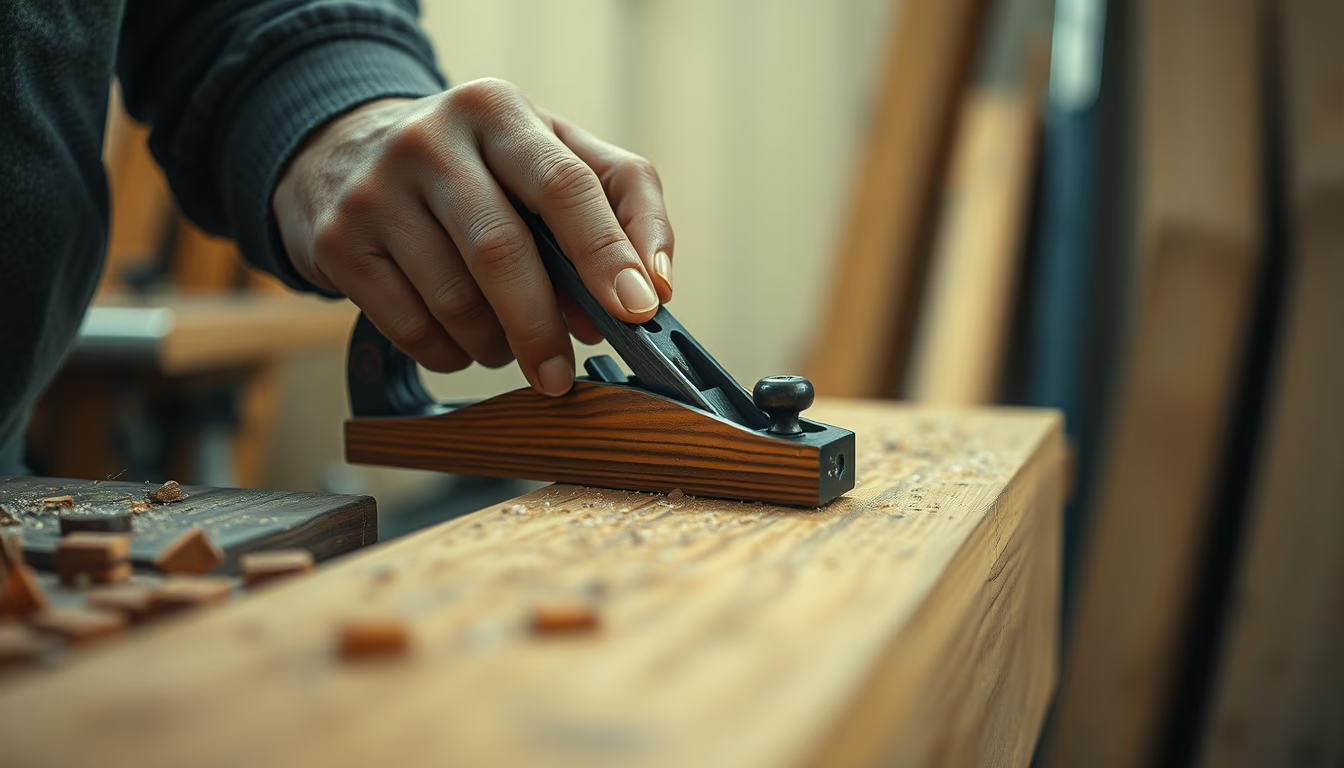
Plane wood shaving, a thin continuous ribbon of wood, is a valuable byproduct in artisan woodworking, reflecting the craftsperson's precision.
About this subject
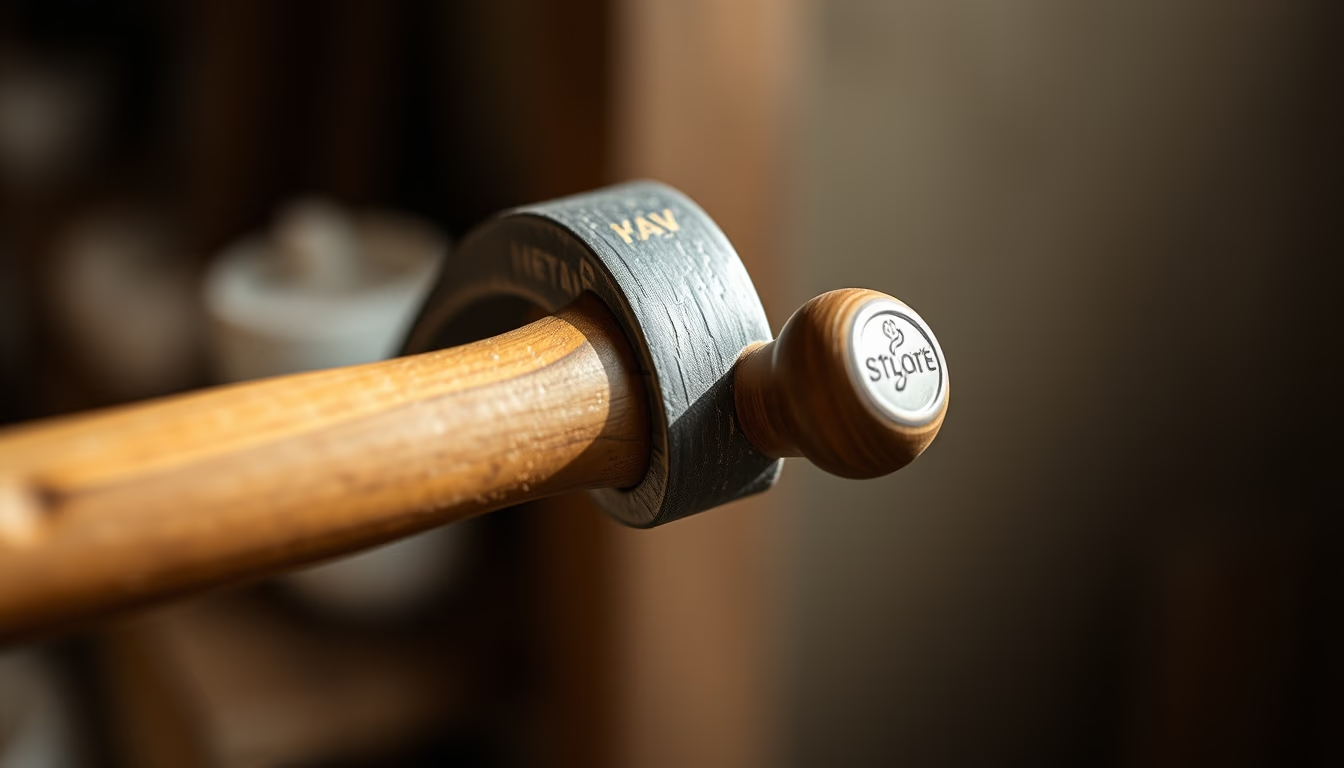
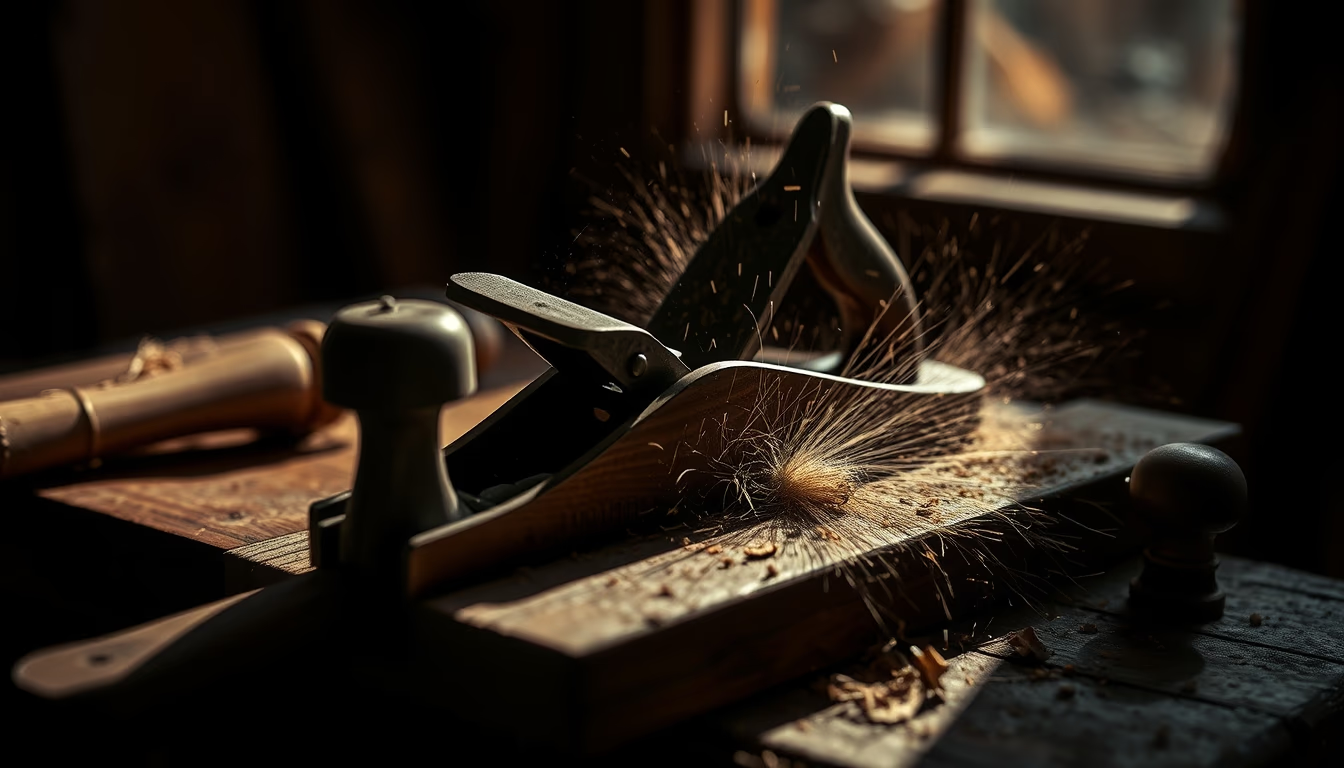
A plane wood shaving is the thin, often curled ribbon of wood produced when a hand plane or electric planer is passed over a wooden surface. The quality of the shaving directly reflects the sharpness of the blade and the skill of the woodworker: consistent, fine shavings indicate a well-tuned tool and precise technique, while rough or broken shavings suggest dull blades or improper pressure. In traditional woodworking, achieving long, unbroken shavings is a hallmark of craftsmanship, used as a practical test of plane adjustment.
Historically, wood shavings have found many secondary uses. They are excellent fire starters due to their thinness and high surface area, and were commonly used in rural households to kindle wood stoves. In workshops, shavings from exotic or aromatic woods (like mahogany, walnut, or pine) are collected for potpourri or for light packing material. They also serve as natural mulch in gardens, helping retain soil moisture and slowly releasing nutrients as they decompose. Some artisans use them to create composite panels or as filler in crafts.
In the context of fine woodworking, the shaving is a diagnostic tool. A plane set for a shallow cut yields a gossamer shaving that curls uniformly, while a deeper cut produces a thicker, more brittle strip. Woodworkers often judge the sharpness of a blade by the sound of the cut and the appearance of the shaving. In competitions, the ability to produce long, continuous shavings from a single pass is a celebrated skill. Additionally, shavings are lightweight and absorbent, making them suitable as bedding for small animals or as eco-friendly packaging filler.
An interesting fact: the word “shaving” in this context comes from the verb “to shave,” referring to the act of removing thin layers. In modern times, plane shavings have been repurposed in art and design, appearing in jewelry, wall hangings, and even as a substrate for mushroom cultivation. The image of a fresh, curly wood shaving with authentic grain texture is frequently used in stock photography to represent concepts like craftsmanship, sustainability, and the beauty of natural materials. The tag “film-grain-authentic” suggests a vintage or organic aesthetic, emphasizing the raw, unprocessed nature of the material.
Frequently Asked Questions
What are plane wood shavings used for besides disposal?
They are used as fire starters, organic mulch, animal bedding, packing material, substrate for mushroom cultivation, and decorative elements in crafts.
How can you tell a plane is well-adjusted from the shaving?
A well-adjusted plane produces thin, uniform, and continuous shavings. Thick, irregular, or brittle shavings indicate a dull blade or incorrect cutting angle.
What is the difference between a wood shaving and sawdust?
A wood shaving is a thin, continuous strip from planing, while sawdust consists of small, irregular particles from sawing. Shavings are longer and retain the grain structure.
Direct URL
https://pub-c7d6a6ea828543ac903a74a341ccb2e1.r2.dev/imagens/plane-wood-shaving-film-grain-authentic-fresh10.avifHow to credit
Include a visible link back to UtilizAí. Copy one of the snippets below:
<a href="https://xn--utiliza-eza.com/en/midia/imagens/plane-wood-shaving-film-grain-authentic-fresh10">Plane wood shaving</a> by <a href="https://xn--utiliza-eza.com">UtilizAí</a>, licensed under <a href="https://creativecommons.org/licenses/by/4.0/">CC BY 4.0</a>.
[Plane wood shaving](https://xn--utiliza-eza.com/en/midia/imagens/plane-wood-shaving-film-grain-authentic-fresh10) by [UtilizAí](https://xn--utiliza-eza.com), CC BY 4.0
License: CC-BY-4.0