Pirate ship reconstruction
1344×768 · AVIF · CC BY 4.0
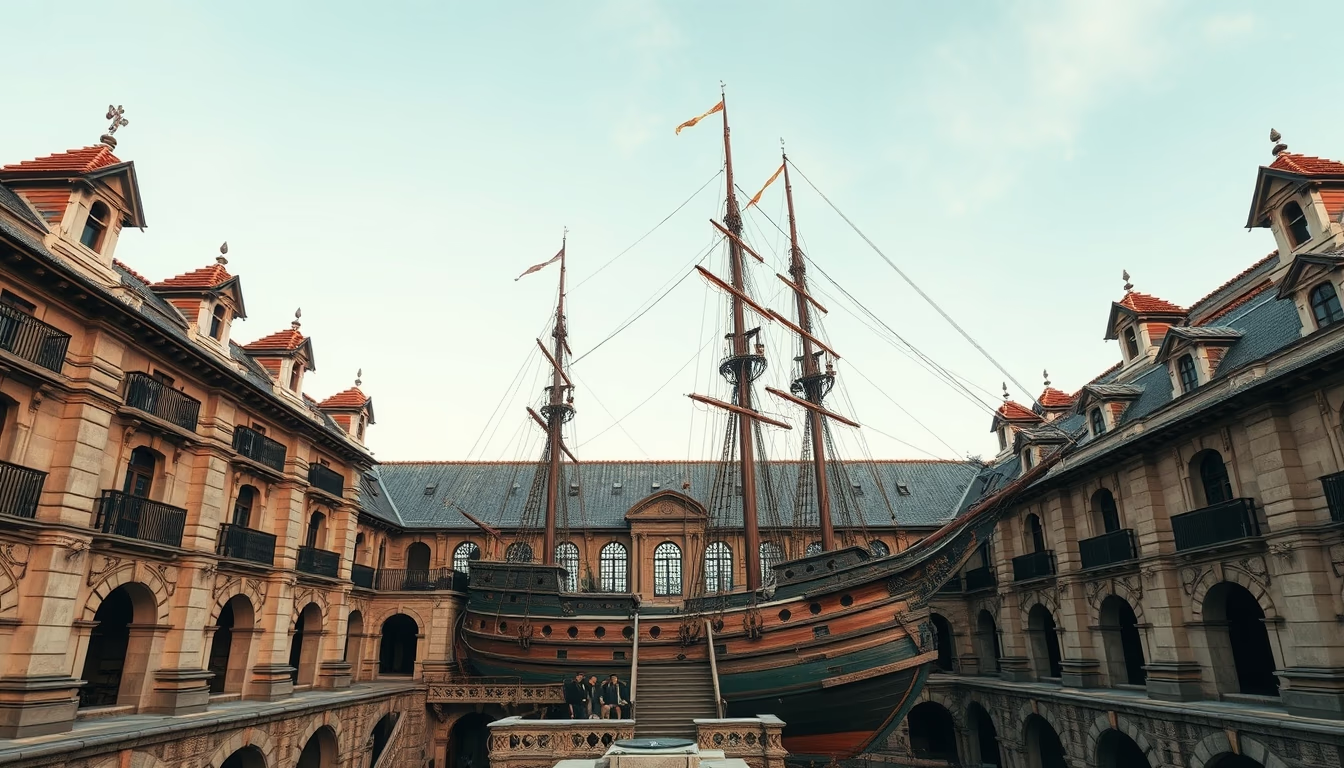
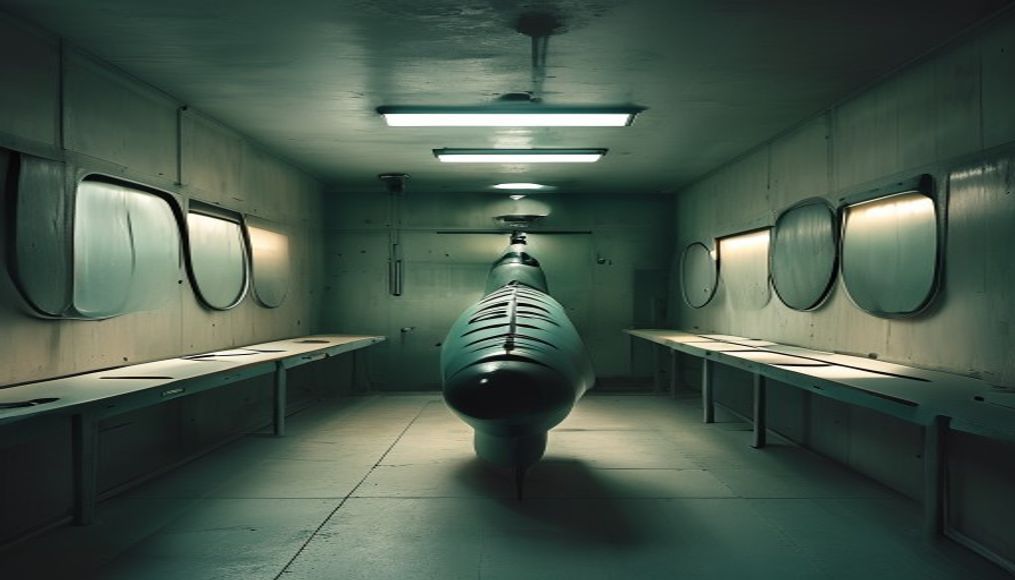
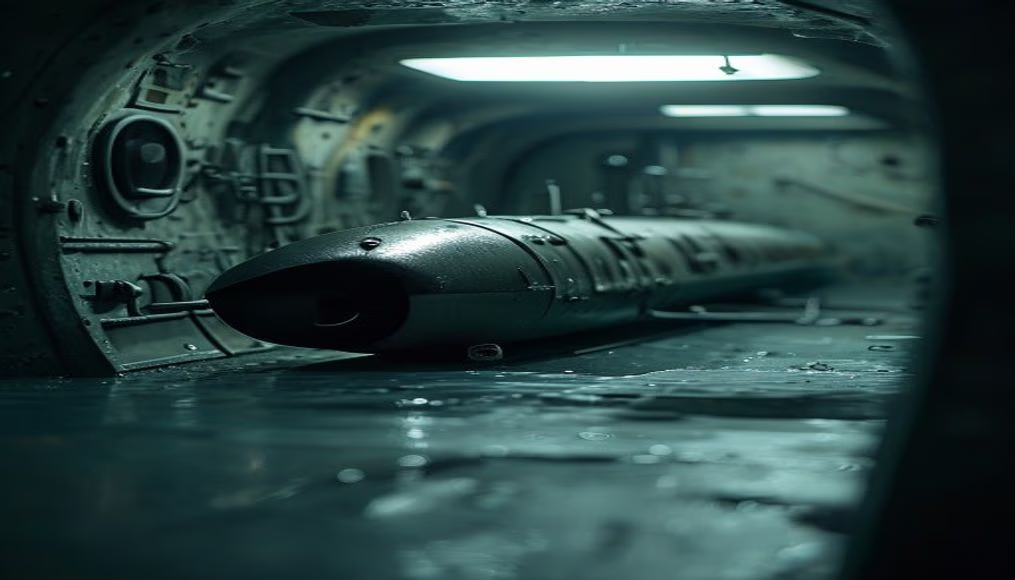
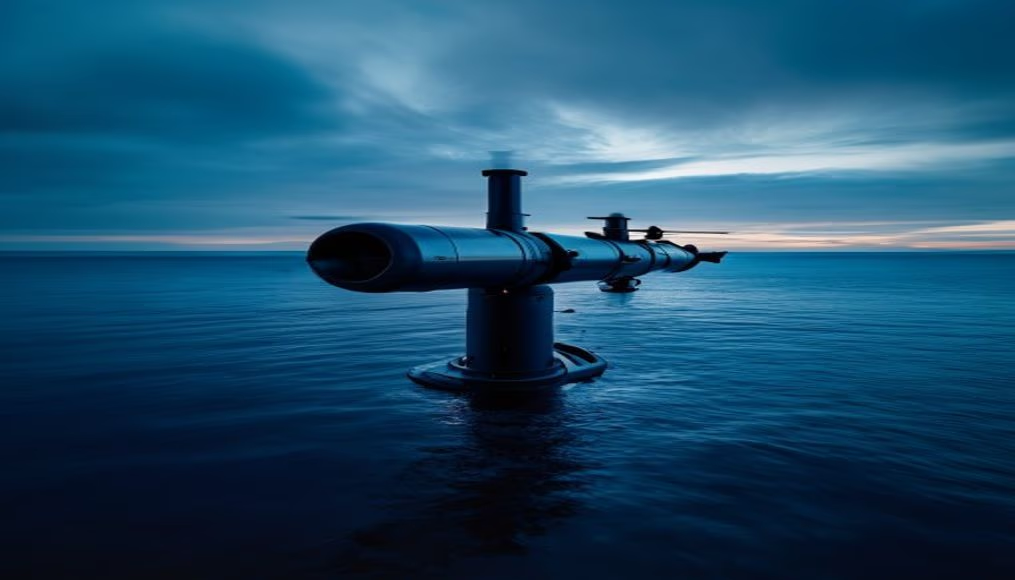
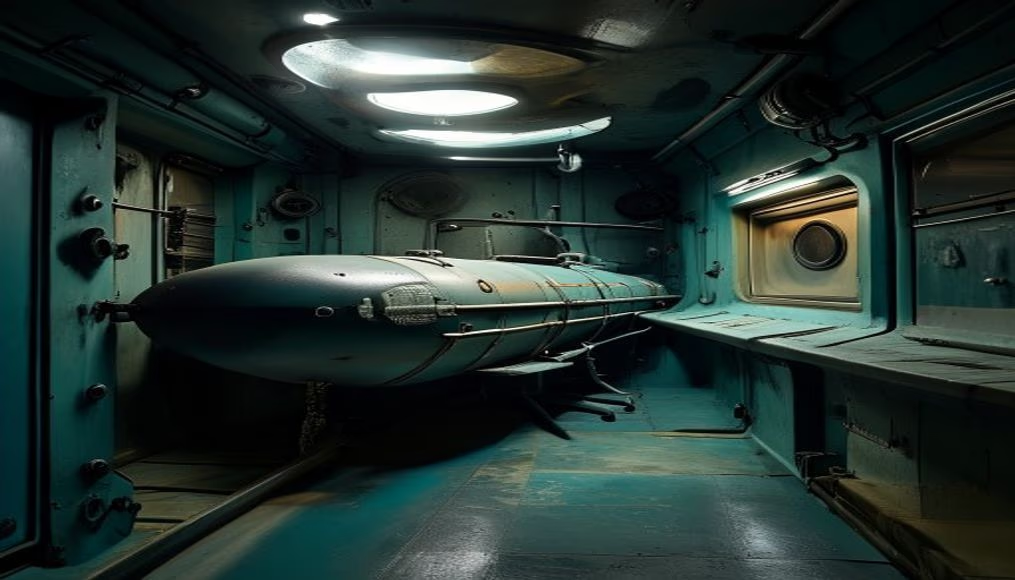
Pirate ship reconstruction combines maritime archaeology, historic shipbuilding, and cultural tourism, recreating vessels like the Whydah and Queen Anne's Revenge.
About this subject
Pirate ship reconstruction is a fascinating field that combines underwater archaeology, historical naval engineering, and tourism. Many once‑feared vessels have been rediscovered as shipwrecks and undergone meticulous restoration. A prime example is the Whydah Gally, the only authenticated pirate ship ever found, wrecked in 1717 off Cape Cod. Its reconstruction, led by archaeologist Barry Clifford, required years of underwater excavation and analysis of over 200,000 artifacts recovered from the site.
Another notable reconstruction is the Queen Anne's Revenge, the former French slave ship Le Concorde, captured by Blackbeard in 1717 and deliberately run aground off North Carolina. The physical reconstruction project, ongoing at the North Carolina Maritime Museum, uses oak planks, hemp rigging, and canvas sails, following 18th‑century methods. The goal is to create a sailable replica that can visit ports as an educational vessel.
Pirate naval architecture differed little from merchant ships of the era: vessels were fast, such as brigs and schooners, adapted for combat and flight. Reconstruction requires knowledge of original building plans, often from logbooks and engravings. Modern technology like 3D scanning and computer modeling helps fill historical gaps, but manual craftsmanship remains essential to recreate the curvature of hulls and the placement of cannons.
Today, reconstructed replicas like the Golden Hind (London) and the Mayflower (Plymouth) exist, but few are pirate ships. The reconstruction of Captain William Kidd's Adventure Galley or Henry Every's Fancy remains speculative. These efforts preserve naval heritage and offer the public an immersive experience of the Golden Age of Piracy, roughly 1650 to 1730.
Frequently Asked Questions
What is the most famous reconstructed pirate ship?
The Whydah Gally is the most famous, as it is the only authenticated pirate ship ever discovered. Its partial reconstruction is displayed at the Whydah Pirate Museum in Cape Cod, Massachusetts.
How do builders obtain plans to reconstruct historical pirate ships?
Plans come from historical archives, logbooks, contemporary engravings, and comparisons with similar merchant vessels. Underwater archaeologists also document wreck sites in 3D to aid the process.
Are these replicas capable of sailing?
Yes, many are built to be sailable, such as the planned replica of Queen Anne's Revenge in North Carolina. However, not all are fitted with real cannons, following safety regulations.
Direct URL
https://pub-c7d6a6ea828543ac903a74a341ccb2e1.r2.dev/imagens/pirate-ship-reconstruction-architectural-photography-p3.avifHow to credit
Include a visible link back to UtilizAí. Copy one of the snippets below:
<a href="https://xn--utiliza-eza.com/en/midia/imagens/pirate-ship-reconstruction-architectural-photography-p3">Pirate ship reconstruction</a> by <a href="https://xn--utiliza-eza.com">UtilizAí</a>, licensed under <a href="https://creativecommons.org/licenses/by/4.0/">CC BY 4.0</a>.
[Pirate ship reconstruction](https://xn--utiliza-eza.com/en/midia/imagens/pirate-ship-reconstruction-architectural-photography-p3) by [UtilizAí](https://xn--utiliza-eza.com), CC BY 4.0
License: CC-BY-4.0