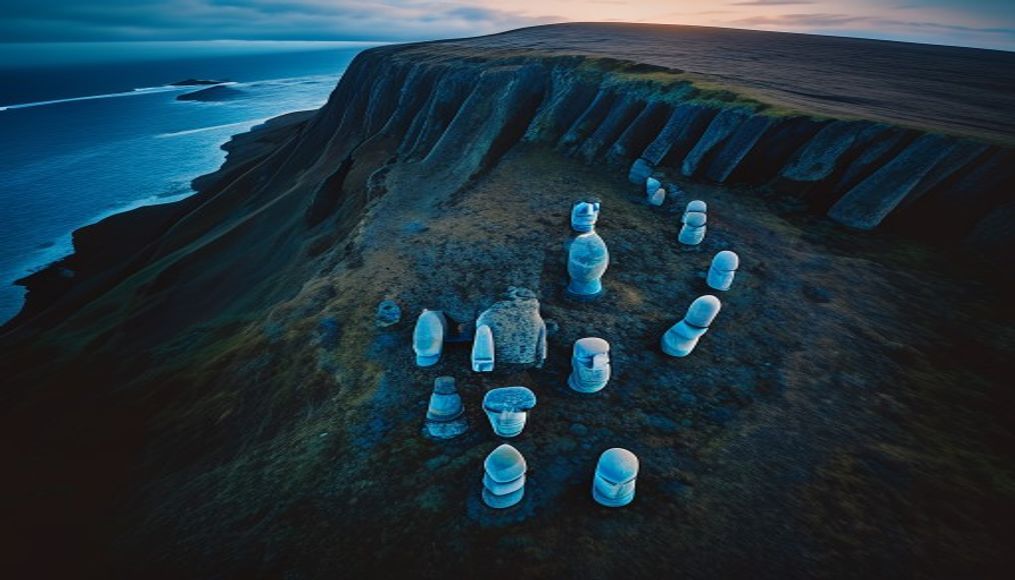
Petra treasury jordan
1344×768 · AVIF · CC BY 4.0

The Treasury of Petra (Al-Khazneh), in southern Jordan, is a monumental rock-cut façade from the 1st century BC, the ultimate symbol of the Nabataean civilization.
About this subject
The Treasury of Petra, locally called Al-Khazneh, is one of the most iconic structures in the archaeological site of Petra, Jordan. Carved directly into rose-red sandstone rock, the façade stands about 40 meters high and 25 meters wide, blending Hellenistic and Oriental architectural styles. It was built in the 1st century BC during the height of the Nabataean Kingdom, likely as a royal mausoleum for King Aretas IV Philopatris. The name "Treasury" comes from Bedouin legends that the Nabataeans hid a treasure in the stone urn at the top, though studies show it is solid. The façade features Corinthian columns, broken pediments, and a central tholos, reflecting the influence of Ptolemaic architecture from Alexandria. The interior is relatively plain, with a main chamber and three side chambers, indicating its funerary purpose.
Petra, the Nabataean capital, was a major trading hub for spices, silk, and incense, connecting the Red Sea to the Mediterranean. The city was rediscovered by Swiss explorer Johann Ludwig Burckhardt in 1812 and has been a UNESCO World Heritage Site since 1985. The Treasury gained worldwide fame after appearing in the film "Indiana Jones and the Last Crusade" (1989) as the entrance to the Holy Grail. The façade faces east, catching morning sunlight that enhances the pink hues of the stone. Recent studies suggest the monument was once vividly painted in colors like red, blue, and yellow, traces of which are still detectable with advanced technology.
Today, the Treasury is Jordan's most visited tourist attraction, drawing millions of visitors annually. Entry to Petra is through the Siq, a 1.2 km long gorge flanked by towering cliffs, and the first glimpse of the Treasury at the end of the Siq is one of archaeology's most iconic moments. Preservation faces challenges from erosion, flash floods, and heavy tourism. The Jordan Tourism Authority and UNESCO have implemented conservation measures such as barriers and climate monitoring to ensure future generations can admire this ancient engineering masterpiece.
Frequently Asked Questions
What is the Treasury of Petra and what was it built for?
The Treasury of Petra (Al-Khazneh) is a monumental rock-cut façade from the 1st century BC, likely a royal mausoleum for the Nabataean king Aretas IV. The name "Treasury" comes from local legends about a hidden treasure in the urn at the top.
Why is the Treasury of Petra so famous?
Besides being a UNESCO World Heritage Site, the Treasury gained worldwide fame as the Holy Grail temple in the film "Indiana Jones and the Last Crusade" (1989). Its unique Hellenistic-Nabataean architecture and pink sandstone color make it a top tourist attraction.
How do you get to the Treasury of Petra and what is the best time to visit?
Access is through the Siq, a 1.2 km gorge. The best time is early morning when sunlight hits the façade directly, enhancing its colors. Arriving early also helps avoid crowds and the intense midday heat.
Direct URL
https://pub-c7d6a6ea828543ac903a74a341ccb2e1.r2.dev/imagens/petra-treasury-jordan-studio-editorial-portrait-p5.avifHow to credit
Include a visible link back to UtilizAí. Copy one of the snippets below:
<a href="https://xn--utiliza-eza.com/en/midia/imagens/petra-treasury-jordan-studio-editorial-portrait-p5">Petra treasury jordan</a> by <a href="https://xn--utiliza-eza.com">UtilizAí</a>, licensed under <a href="https://creativecommons.org/licenses/by/4.0/">CC BY 4.0</a>.
[Petra treasury jordan](https://xn--utiliza-eza.com/en/midia/imagens/petra-treasury-jordan-studio-editorial-portrait-p5) by [UtilizAí](https://xn--utiliza-eza.com), CC BY 4.0
License: CC-BY-4.0