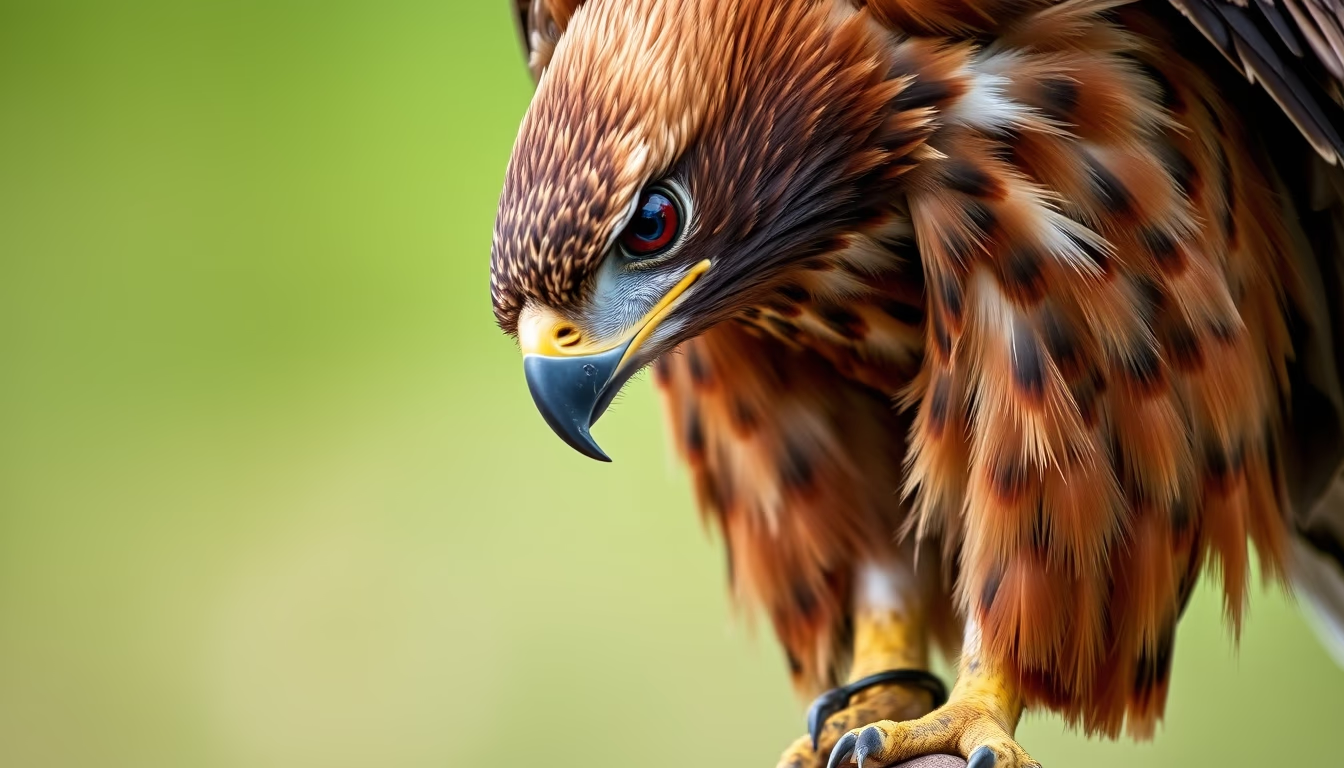
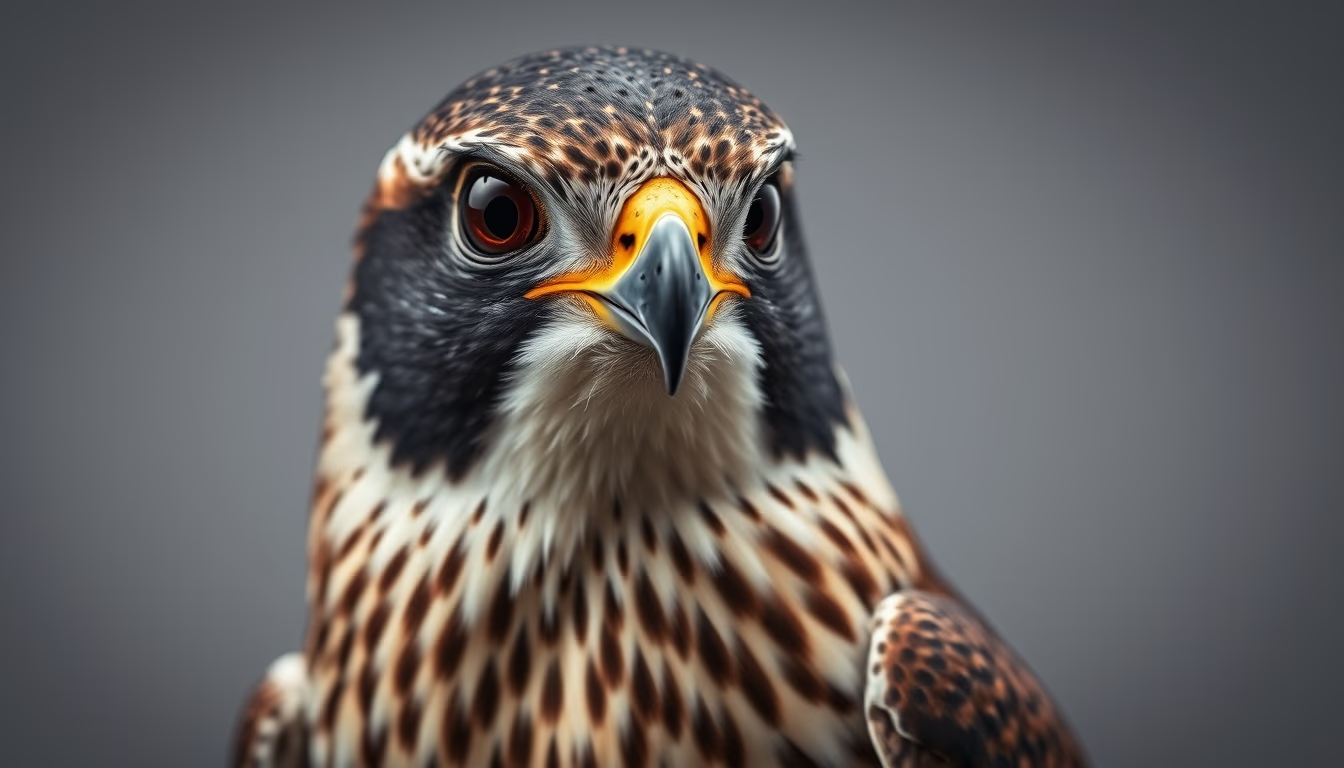
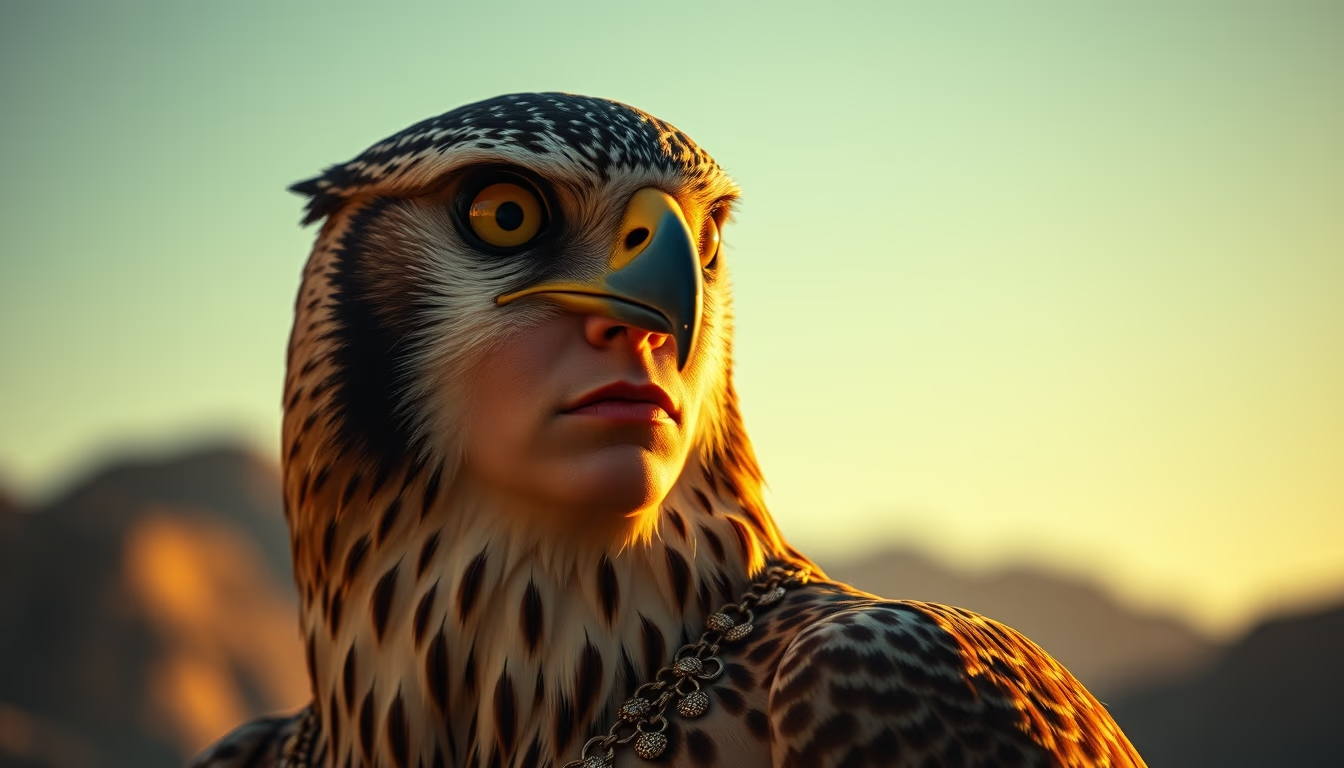
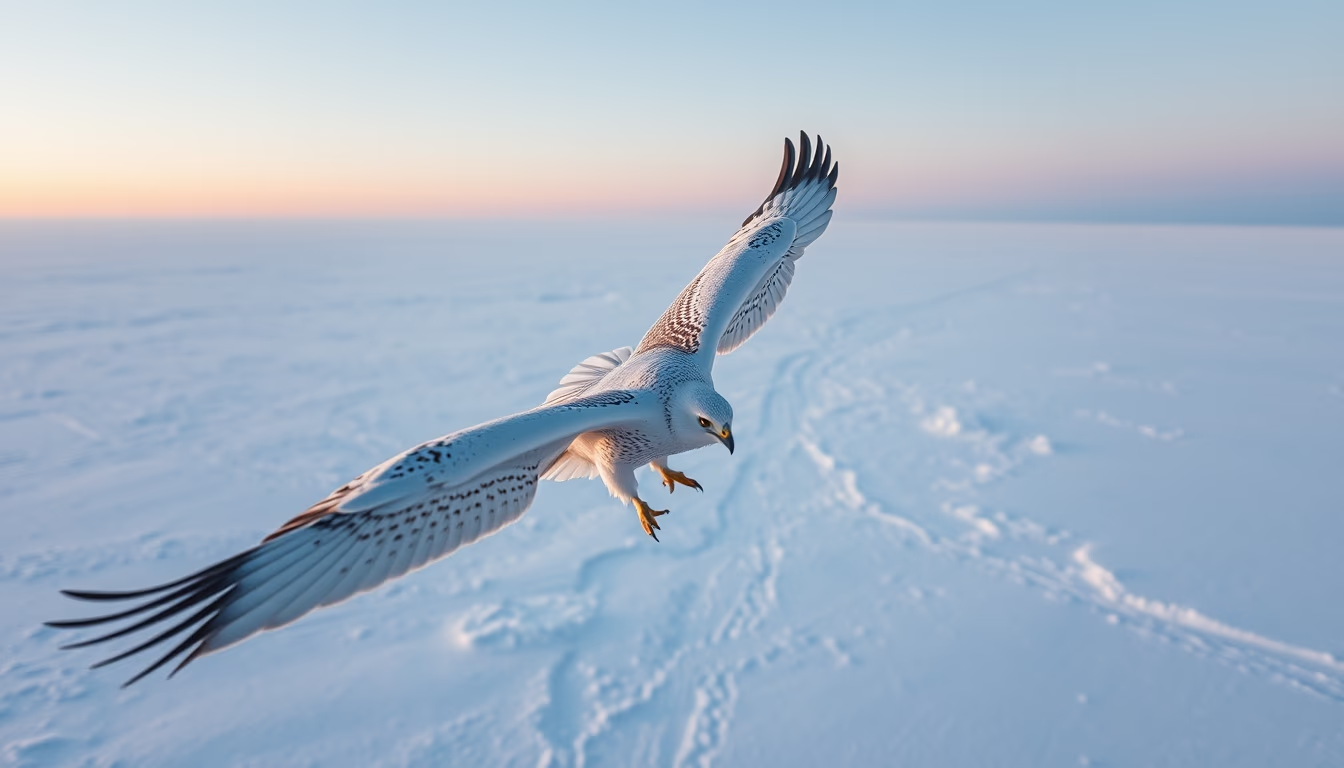
Peregrine falcon close
1344×768 · AVIF · CC BY 4.0
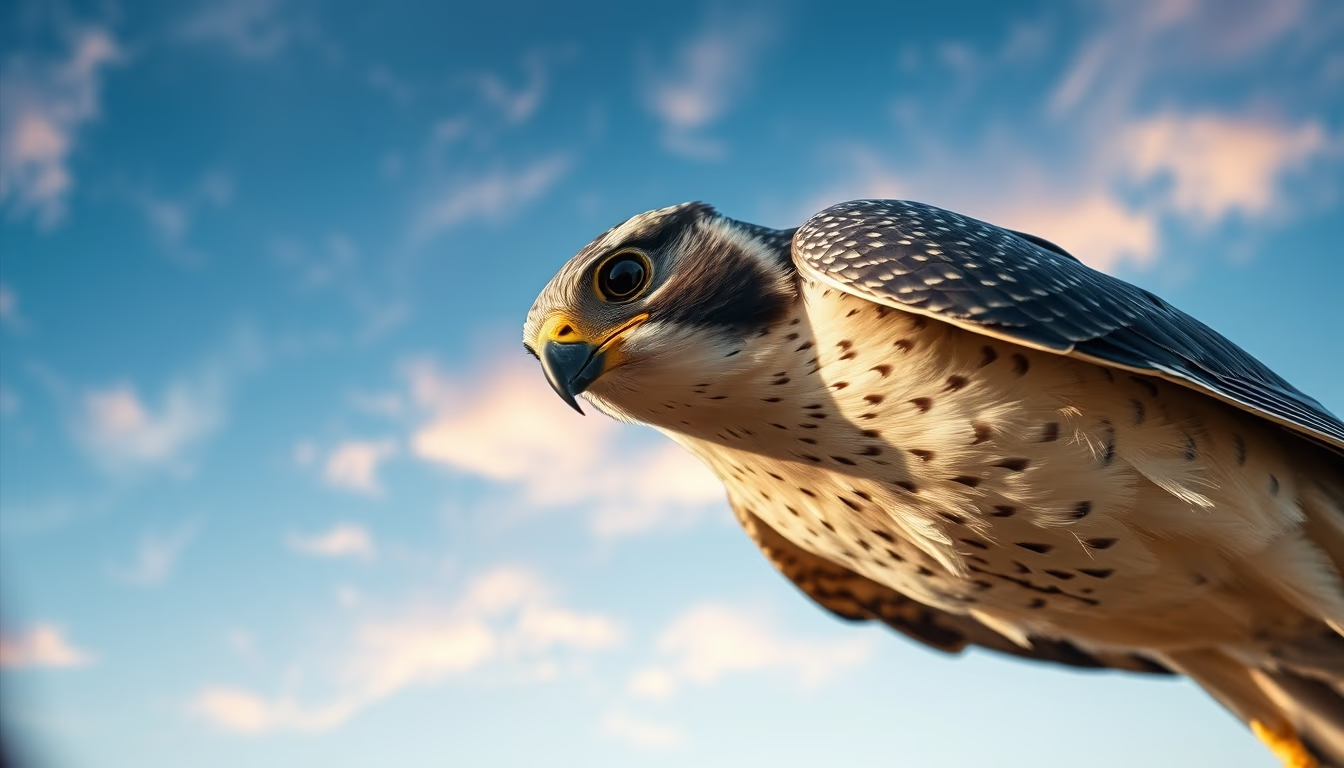
The peregrine falcon (Falco peregrinus) is the fastest animal on Earth, reaching speeds over 300 km/h in hunting dives.
About this subject
The peregrine falcon (Falco peregrinus) is a cosmopolitan bird of prey found on every continent except Antarctica. Its remarkable diving speed (stoop) can exceed 300 km/h, making it the fastest animal on Earth. This evolutionary adaptation allows it to capture prey in mid-air, primarily pigeons, ducks, and other medium-sized birds.
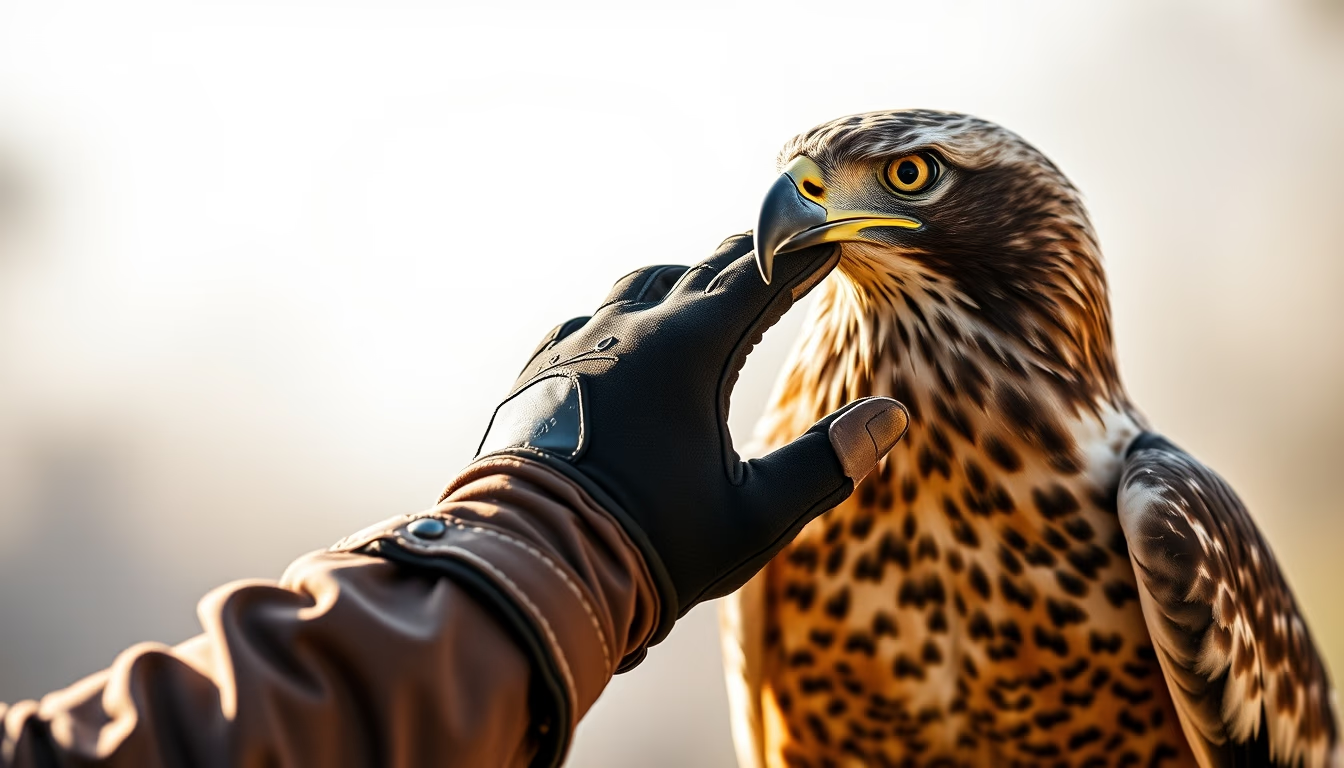
In falconry, the peregrine is one of the most prized species for its agility and hunting technique. For centuries, it was used by nobility and falconers worldwide, especially in Europe and the Middle East. The practice of falconry with peregrines is recognized by UNESCO as an Intangible Cultural Heritage of Humanity.
The species suffered a severe population decline in the mid-20th century due to pesticides like DDT, which caused eggshell thinning. Thanks to captive breeding and reintroduction programs, the peregrine falcon has recovered across much of its original range and is now classified as Least Concern by the IUCN.
Peregrine falcons exhibit sexual dimorphism: females are about one-third larger than males. They nest on cliffs, bluffs, and also on urban structures such as bridges and skyscrapers, adapting well to human-modified environments. Their sharp vision, about eight times more powerful than humans', is essential for spotting prey from great distances.
Frequently Asked Questions
What is the maximum speed of a peregrine falcon?
The peregrine falcon can reach over 300 km/h (about 186 mph) in hunting dives, making it the fastest animal on Earth.
Where does the peregrine falcon live?
It is found on every continent except Antarctica. It prefers mountainous and coastal regions, as well as urban areas with tall buildings.
How did the peregrine falcon recover from the threat of extinction?
After the ban of DDT and through captive breeding and release programs, the species recovered and is now classified as Least Concern by the IUCN.
Direct URL
https://pub-c7d6a6ea828543ac903a74a341ccb2e1.r2.dev/imagens/peregrine-falcon-close-long-exposure-fresh11.avifHow to credit
Include a visible link back to UtilizAí. Copy one of the snippets below:
<a href="https://xn--utiliza-eza.com/en/midia/imagens/peregrine-falcon-close-long-exposure-fresh11">Peregrine falcon close</a> by <a href="https://xn--utiliza-eza.com">UtilizAí</a>, licensed under <a href="https://creativecommons.org/licenses/by/4.0/">CC BY 4.0</a>.
[Peregrine falcon close](https://xn--utiliza-eza.com/en/midia/imagens/peregrine-falcon-close-long-exposure-fresh11) by [UtilizAí](https://xn--utiliza-eza.com), CC BY 4.0
License: CC-BY-4.0