Pearl strand south sea natural
1344×768 · AVIF · CC BY 4.0
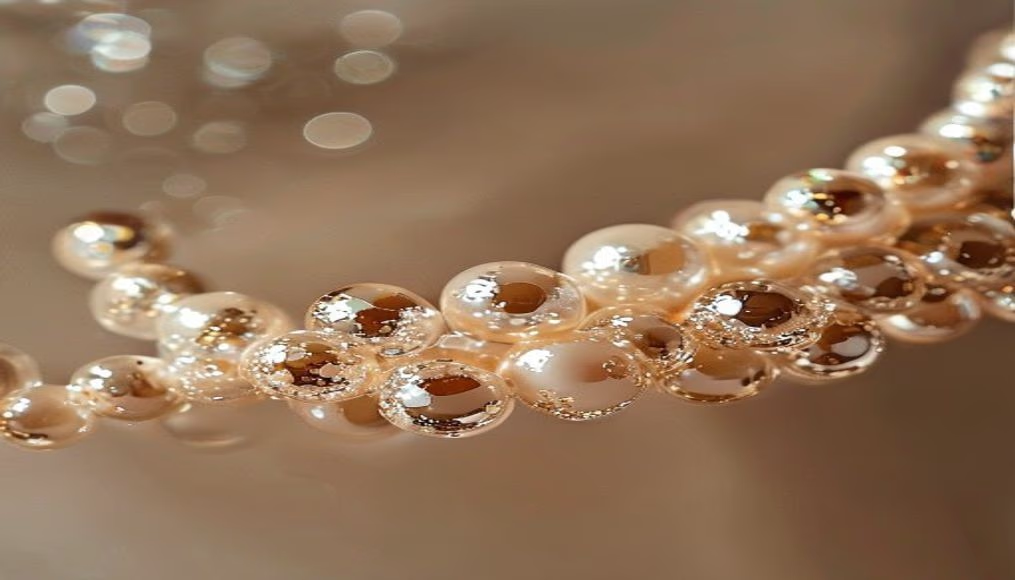
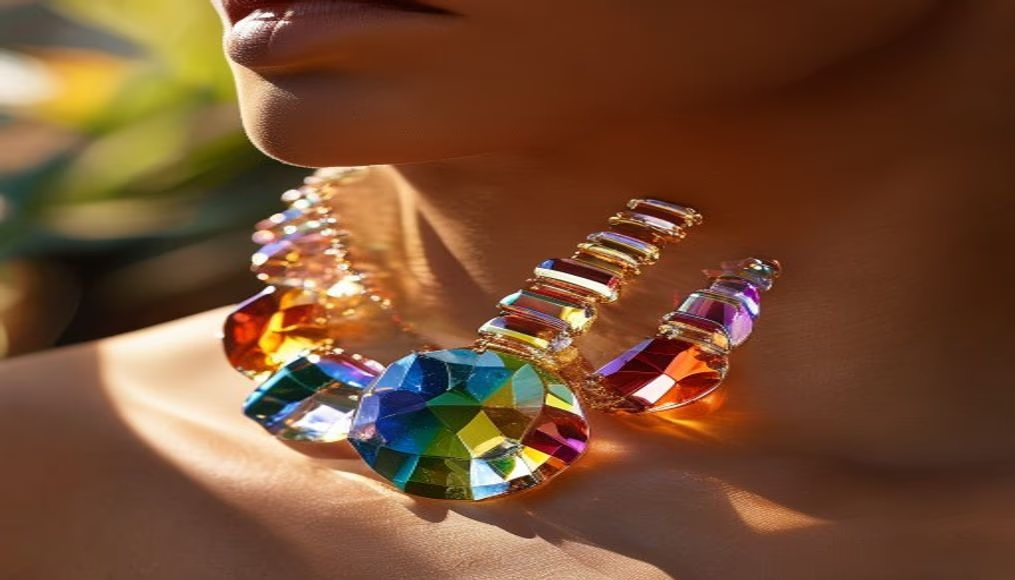
A strand of natural South Sea pearls, renowned for their large size and champagne hues, is one of the most coveted items in the luxury market.
About this subject
South Sea pearls are produced by the Pinctada maxima oyster, found in the tropical waters of northern Australia, Indonesia, and the Philippines. They are the largest cultivated pearls in the world, reaching up to 20 mm in diameter. Their natural color ranges from white to golden, with champagne and gold tones being especially prized.
The formation of a quality pearl takes two to four years, during which the oyster deposits layers of nacre around an implanted nucleus. Nacre thickness is a key factor determining luster and durability. In the high-luxury market, a strand of natural South Sea pearls can exceed US$100,000, depending on size, surface purity, and color uniformity.
Historically, pearls have always been symbols of wealth and power. In ancient Rome, they were considered the ultimate treasure, and Julius Caesar even passed laws restricting their use to the upper classes. Today, South Sea pearls remain a prestigious investment, with auctions at Christie's recording record sales.
Interestingly, each pearl is unique: no two share the exact combination of size, color, luster, and surface. Therefore, assembling a uniform strand requires years of collection and meticulous selection, further enhancing its value and exclusivity.
Frequently Asked Questions
What defines a natural South Sea pearl?
They are pearls cultivated from the Pinctada maxima oyster, known for their large size (usually over 10 mm) and coloration ranging from white to deep gold. Natural pearls form without human intervention in the nucleus, though most commercial ones are cultured.
How to care for a strand of South Sea pearls?
Avoid contact with perfumes, cosmetics, and chemicals. Clean with a slightly damp soft cloth and store separately to prevent scratches. Re-string every two years if worn frequently.
What is the average value of such a pearl necklace?
It depends on size, color, luster, and uniformity. High-quality necklaces can cost tens of thousands of dollars; exceptional pieces can exceed US$500,000 at auction.
Direct URL
https://pub-c7d6a6ea828543ac903a74a341ccb2e1.r2.dev/imagens/pearl-strand-south-sea-natural-champagne-bubbles-studio-luxo0.avifHow to credit
Include a visible link back to UtilizAí. Copy one of the snippets below:
<a href="https://xn--utiliza-eza.com/en/midia/imagens/pearl-strand-south-sea-natural-champagne-bubbles-studio-luxo0">Pearl strand south sea natural</a> by <a href="https://xn--utiliza-eza.com">UtilizAí</a>, licensed under <a href="https://creativecommons.org/licenses/by/4.0/">CC BY 4.0</a>.
[Pearl strand south sea natural](https://xn--utiliza-eza.com/en/midia/imagens/pearl-strand-south-sea-natural-champagne-bubbles-studio-luxo0) by [UtilizAí](https://xn--utiliza-eza.com), CC BY 4.0
License: CC-BY-4.0